Projects

Moj Residential Apartment

Type : Residential
Client : Mr.Gharaie
Location : Tehran, Tehran Province, Iran
Area : 3,000 m ²


principal Architect : Hooman Balazadeh
Project Architect : Elham Seyfi Azad
Design Team : Elham Seyfi-azad , Saeed Farshbaf
Detail Design : Darioush ghorbani
Interior design team : Saeed Farshbaf
Landscape designer : Saco Sabz Sazeh Group Co.
Visualization: Saeed farshbaf, Alireza Bagheri
Diagram illustration : Iman Yoosefi
Presentation : Iman Yoosefi
Project Manager : Parham Taghioff
Mechanical Consultant Engineer : Mr.ilbeygi
Electrical Consultant Engineer : Mr.ilbeygi
Furniture design : Parastoo Malmir
Glazed brick designer : Damoon Co
Photography : Parham Taghioff
Logo design : Iman Yoosefi

Moj Residential Apartment

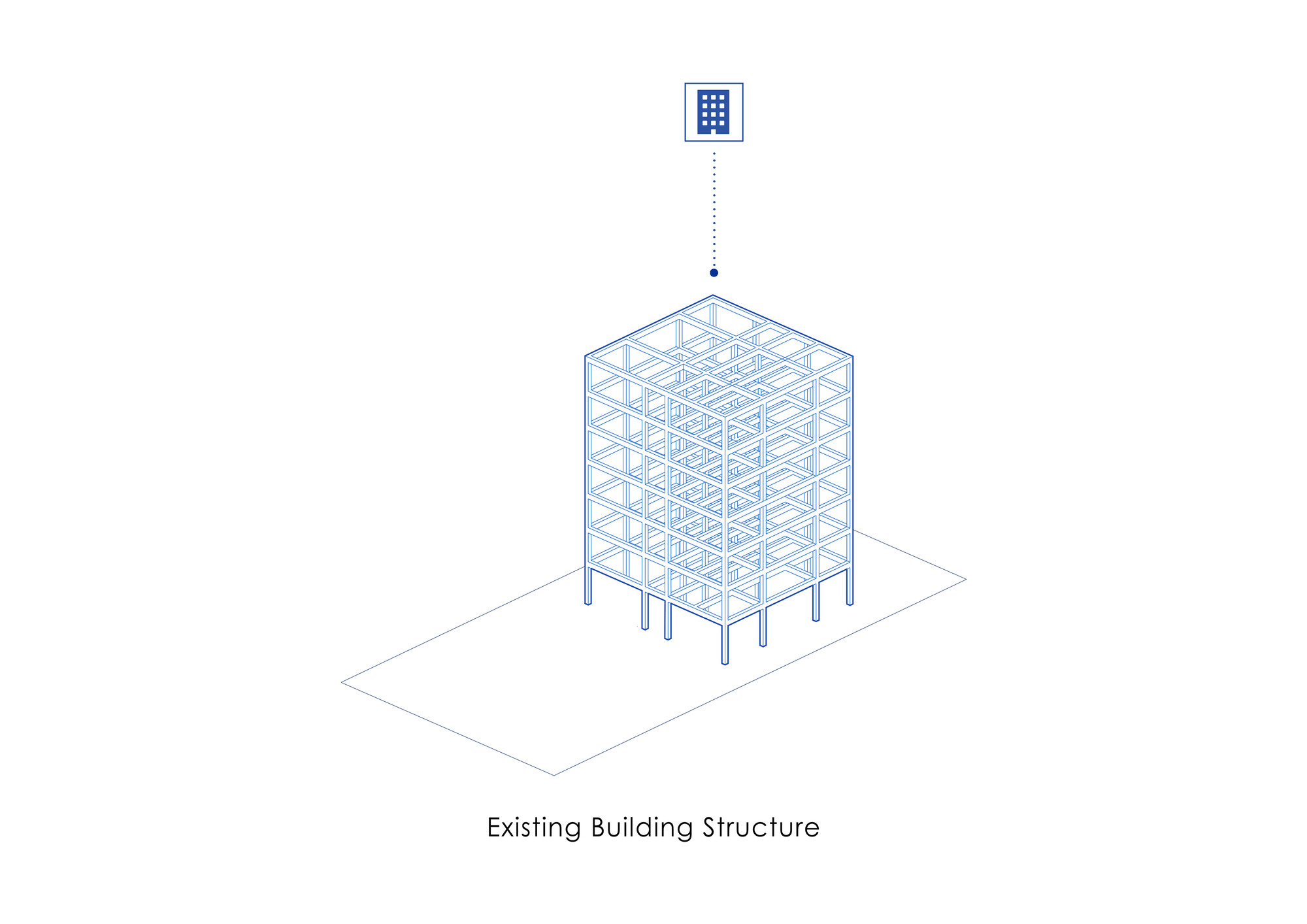
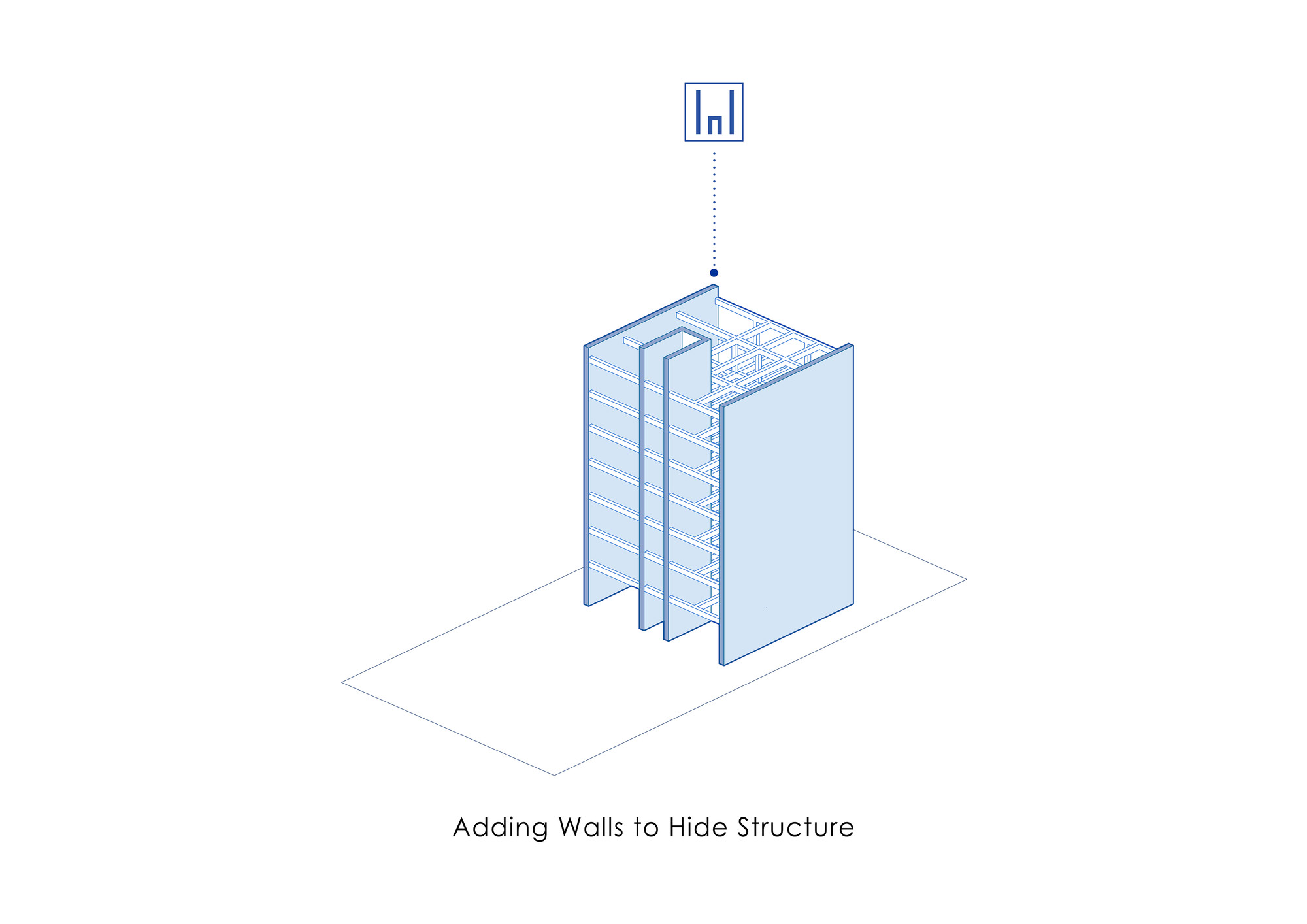
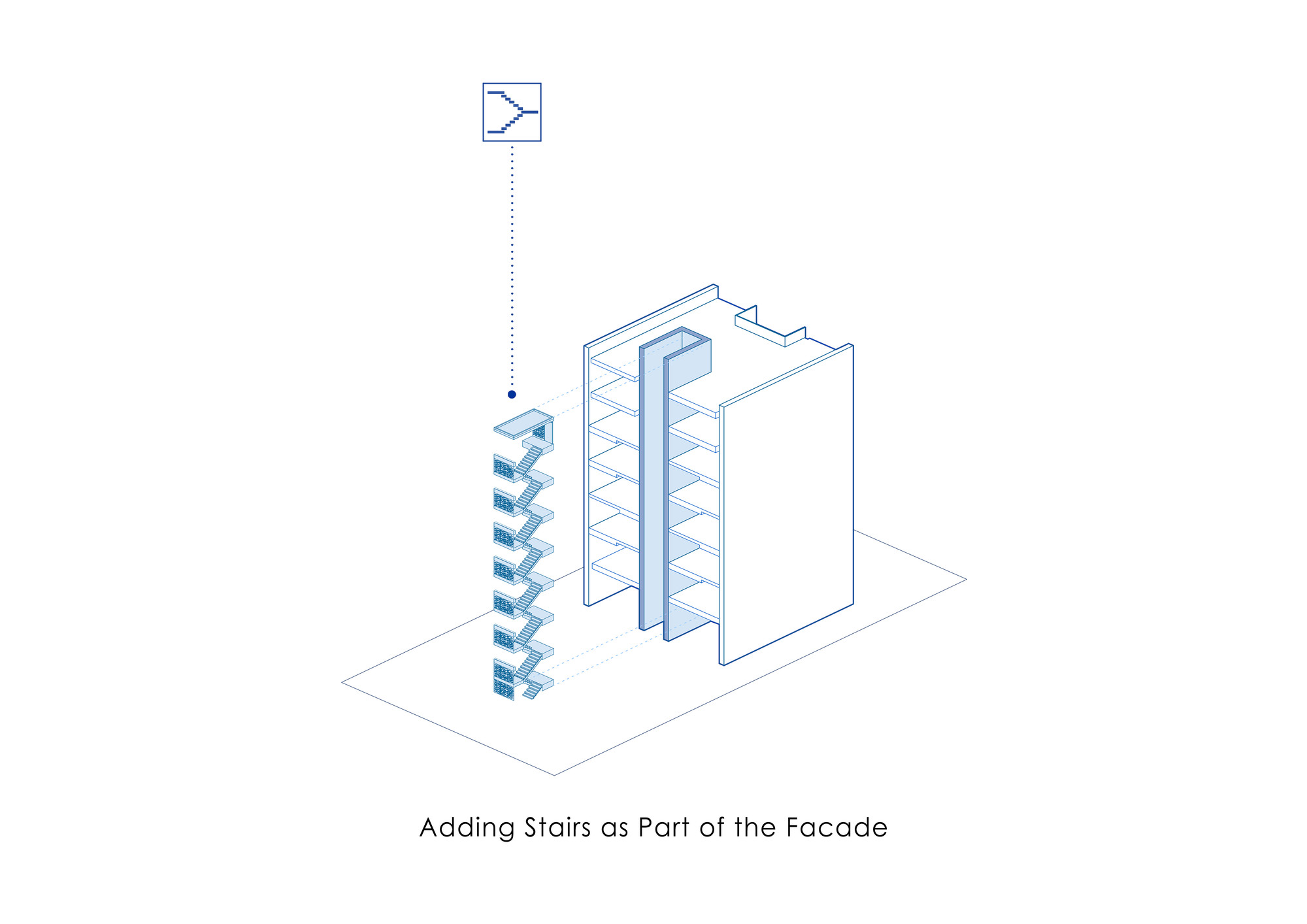
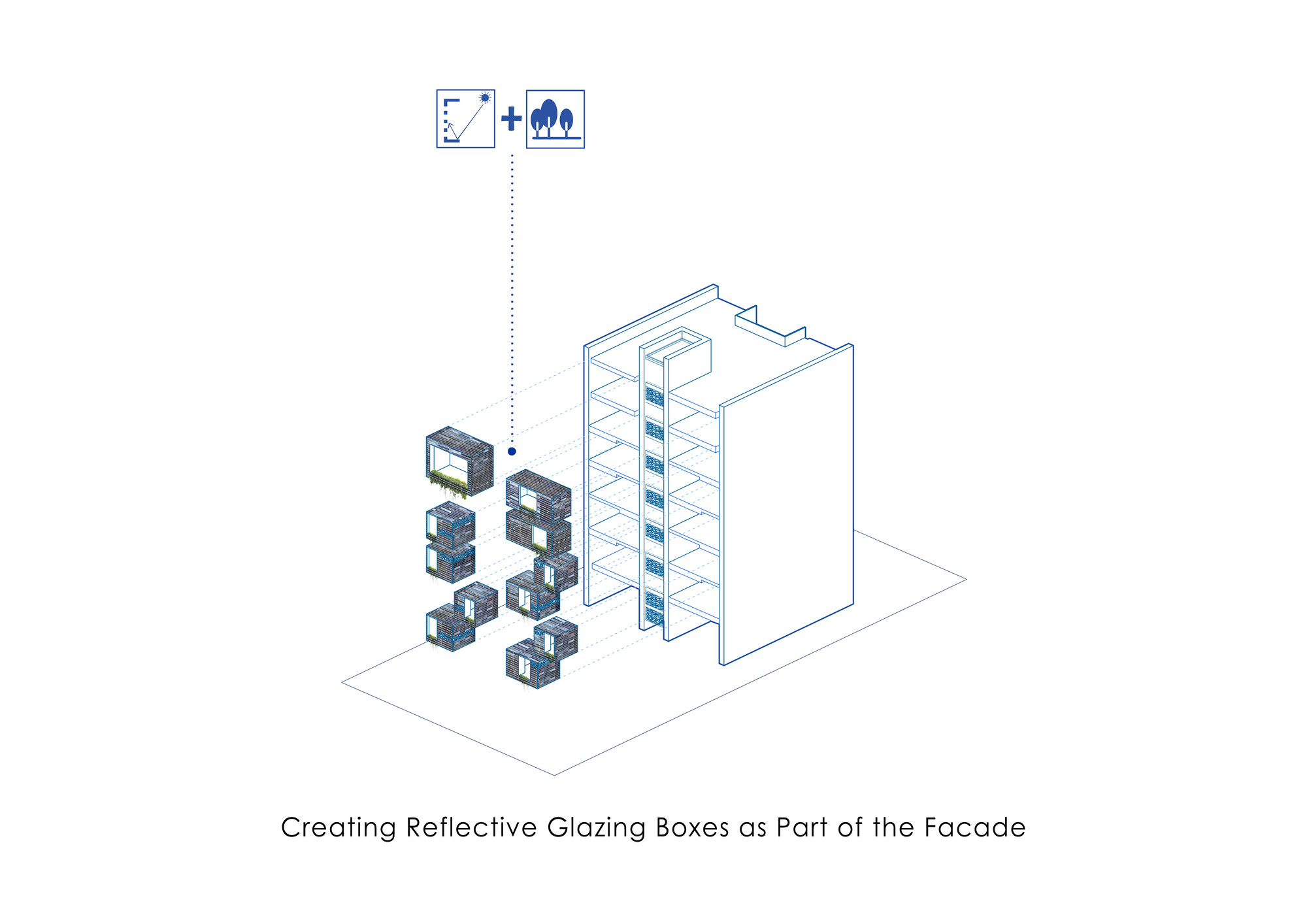
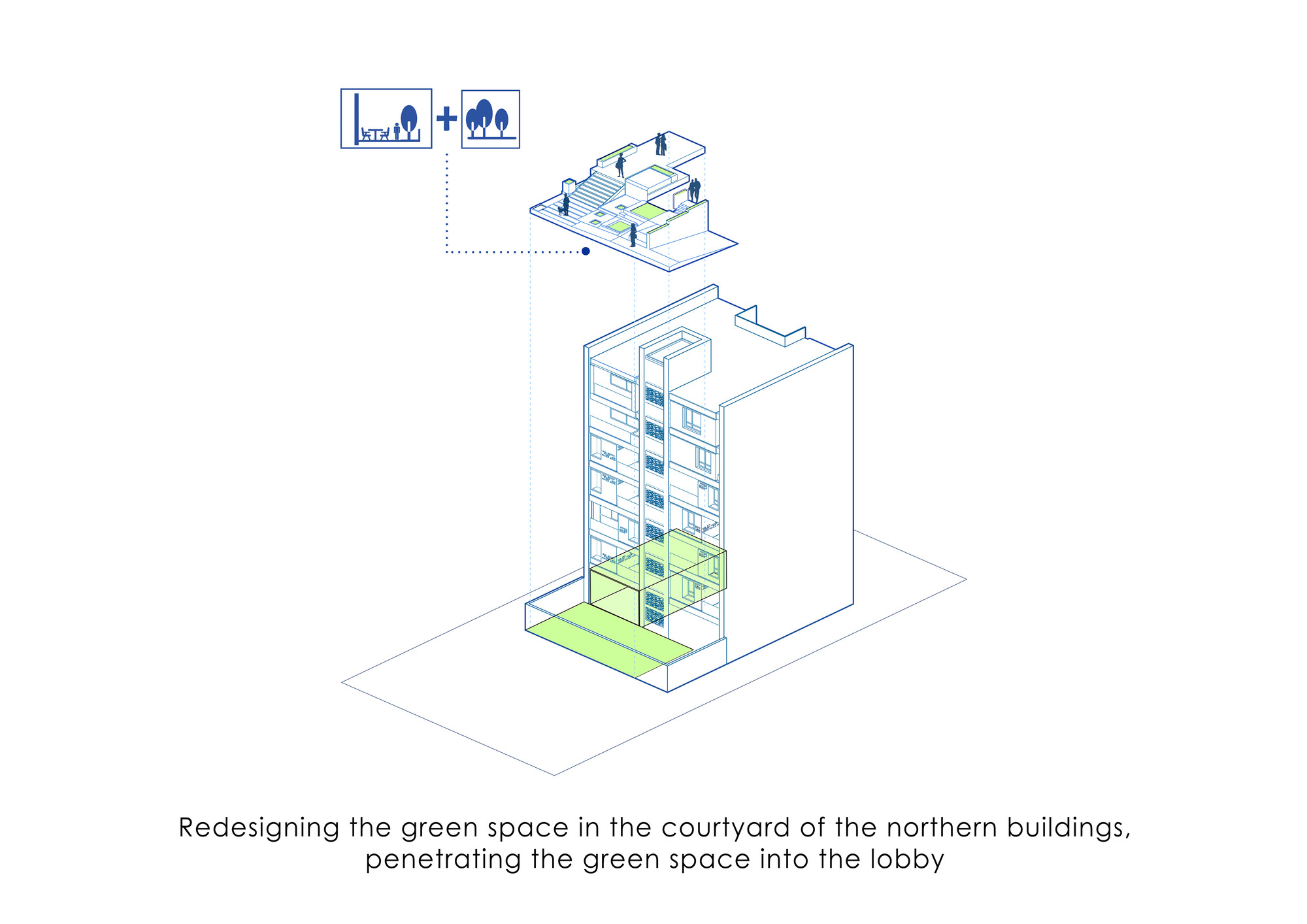
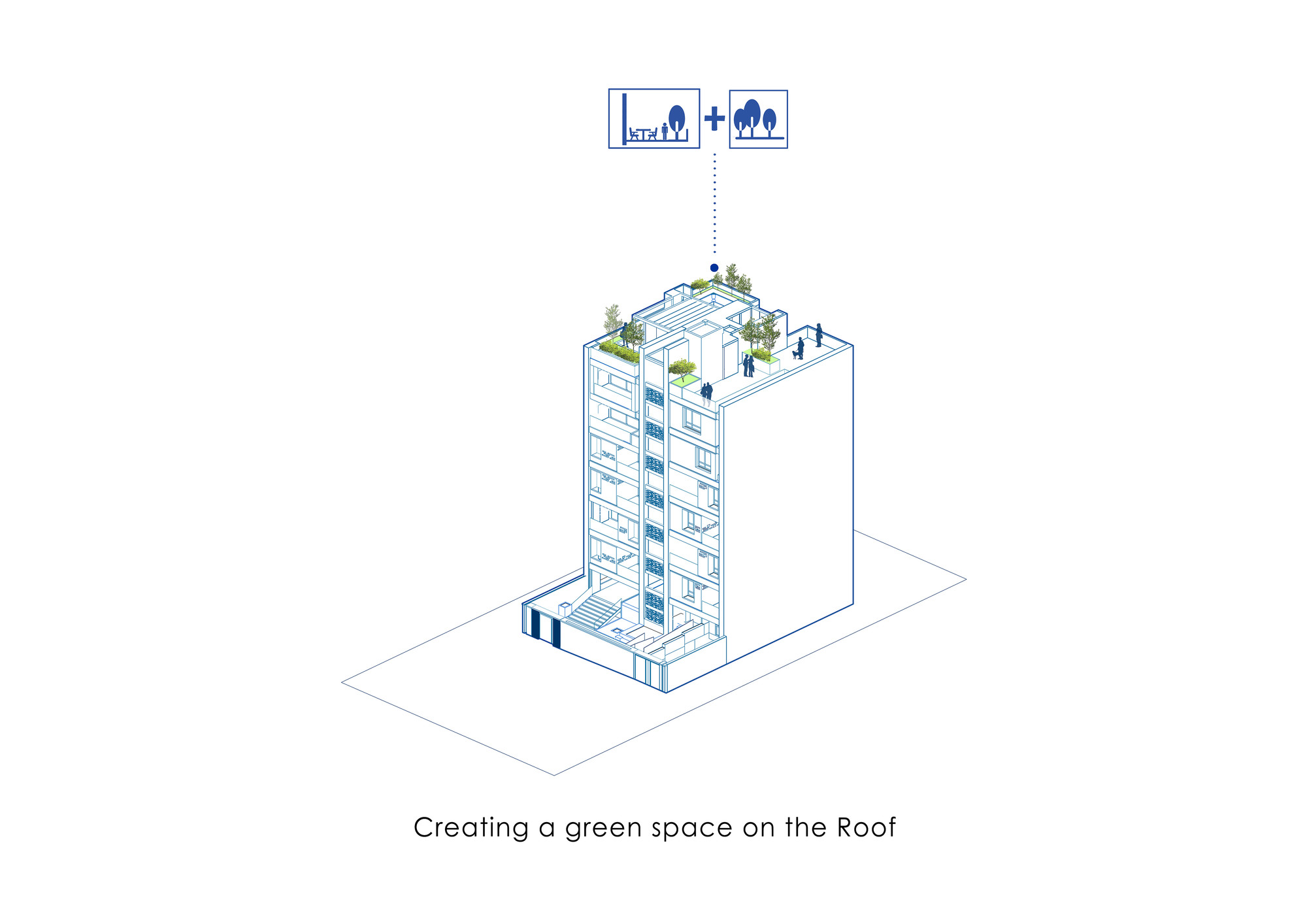
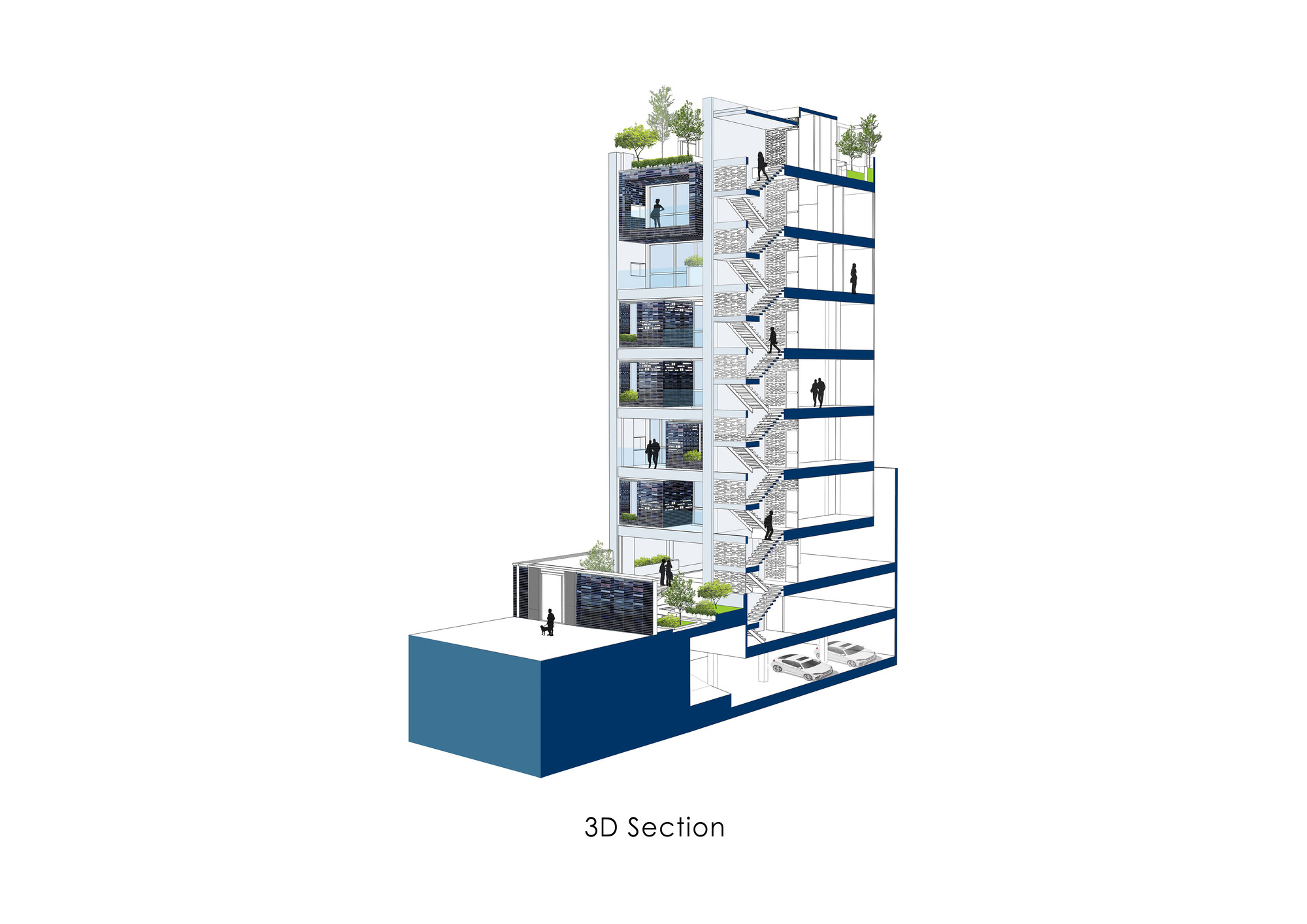
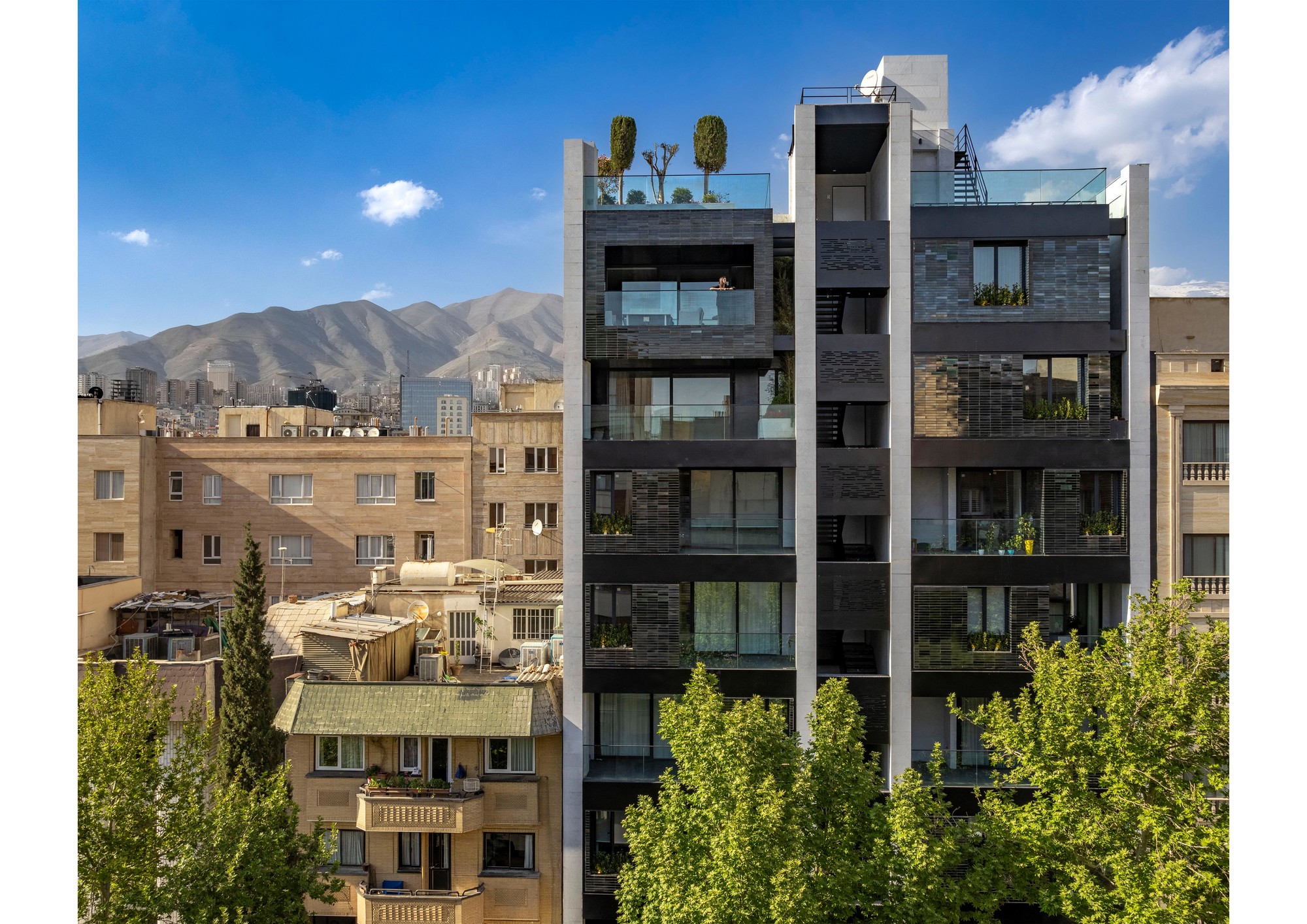
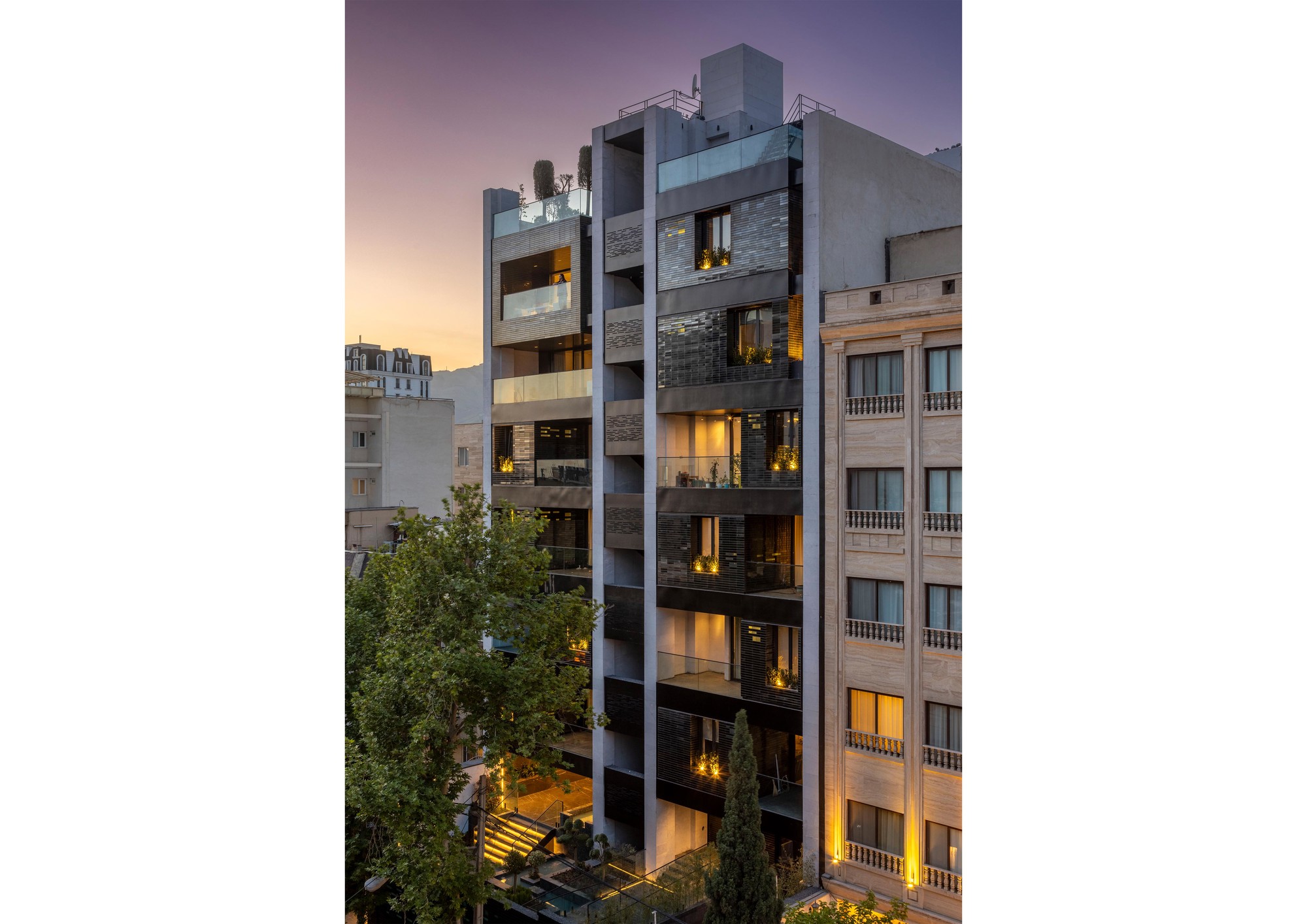
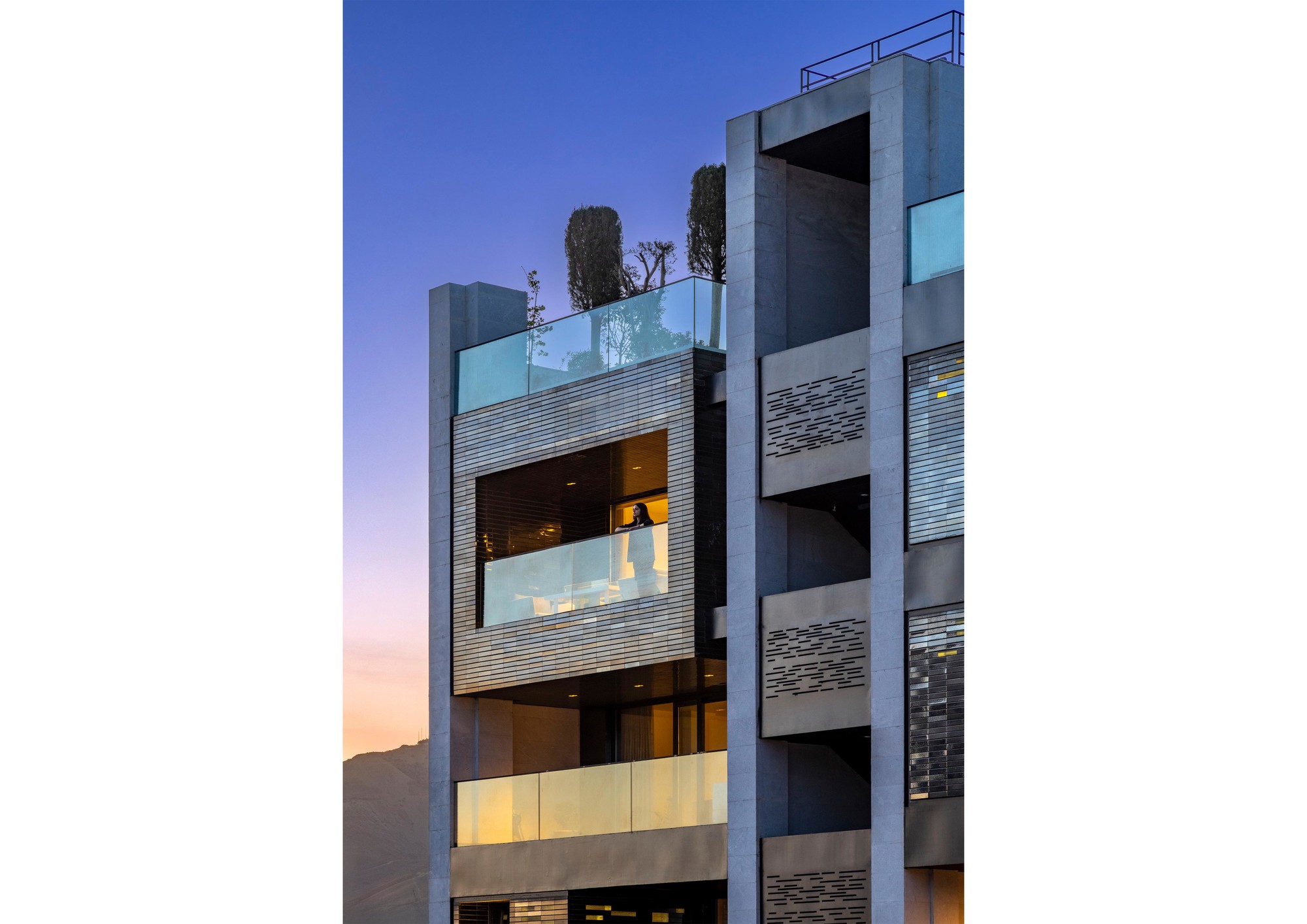
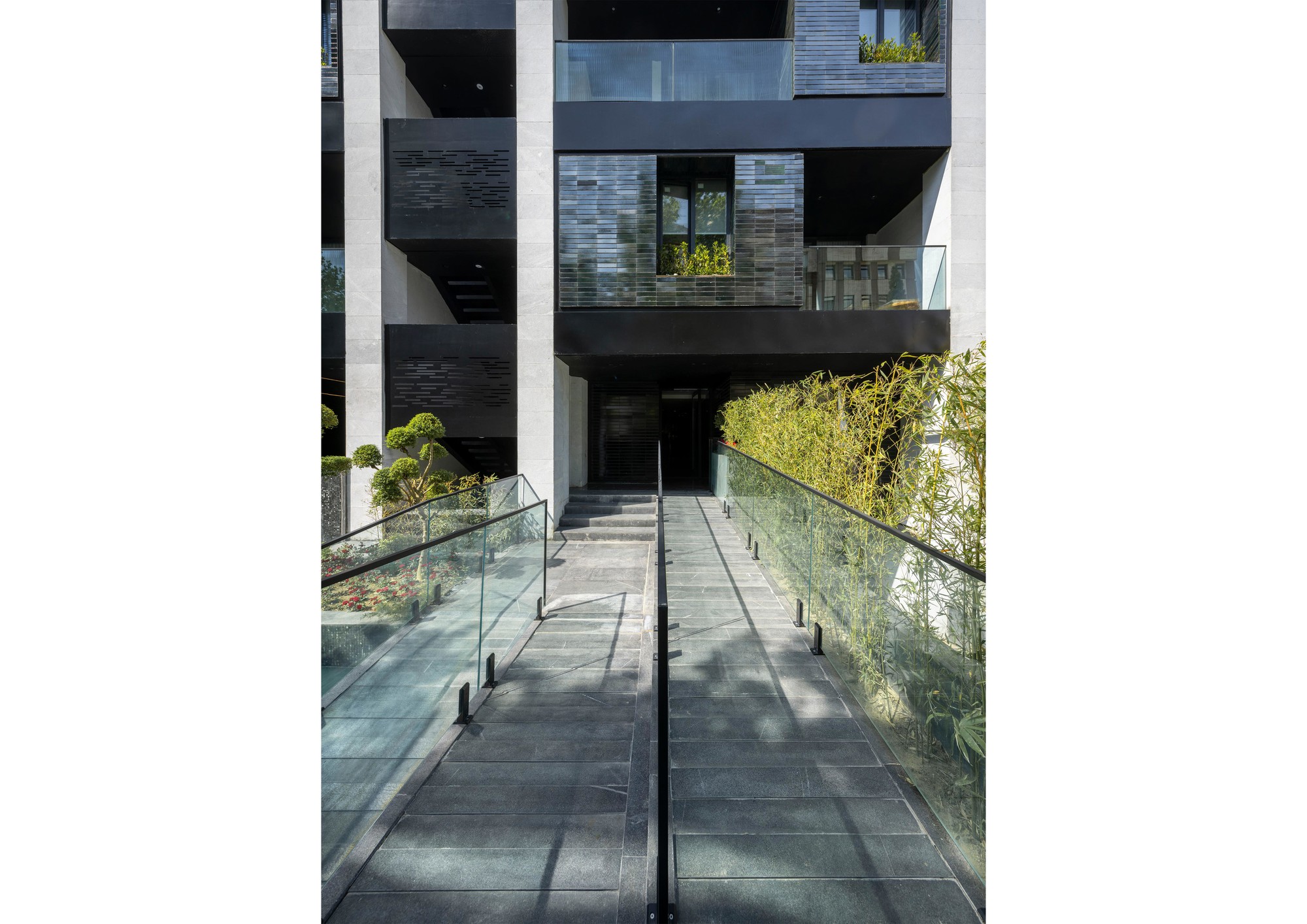
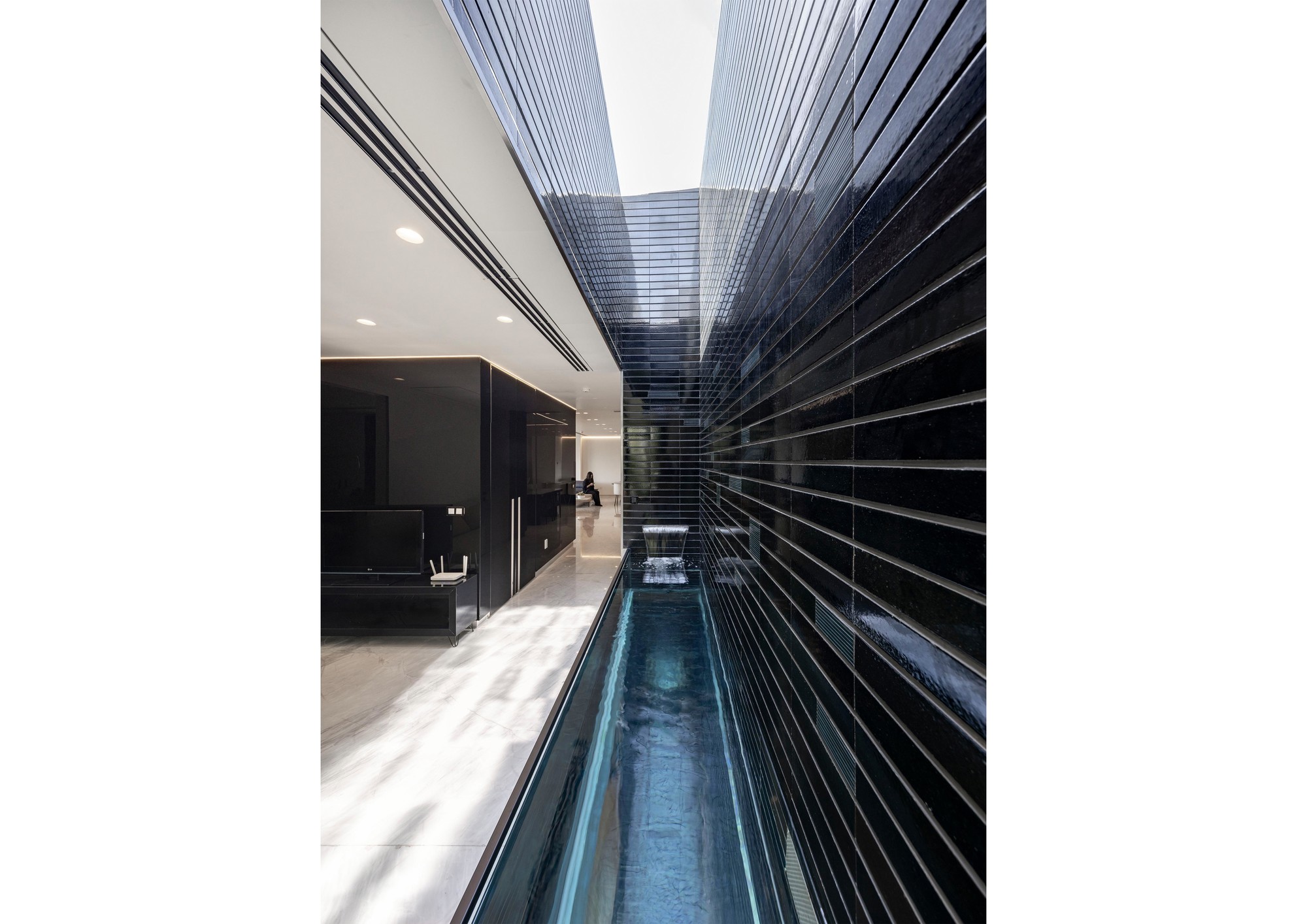
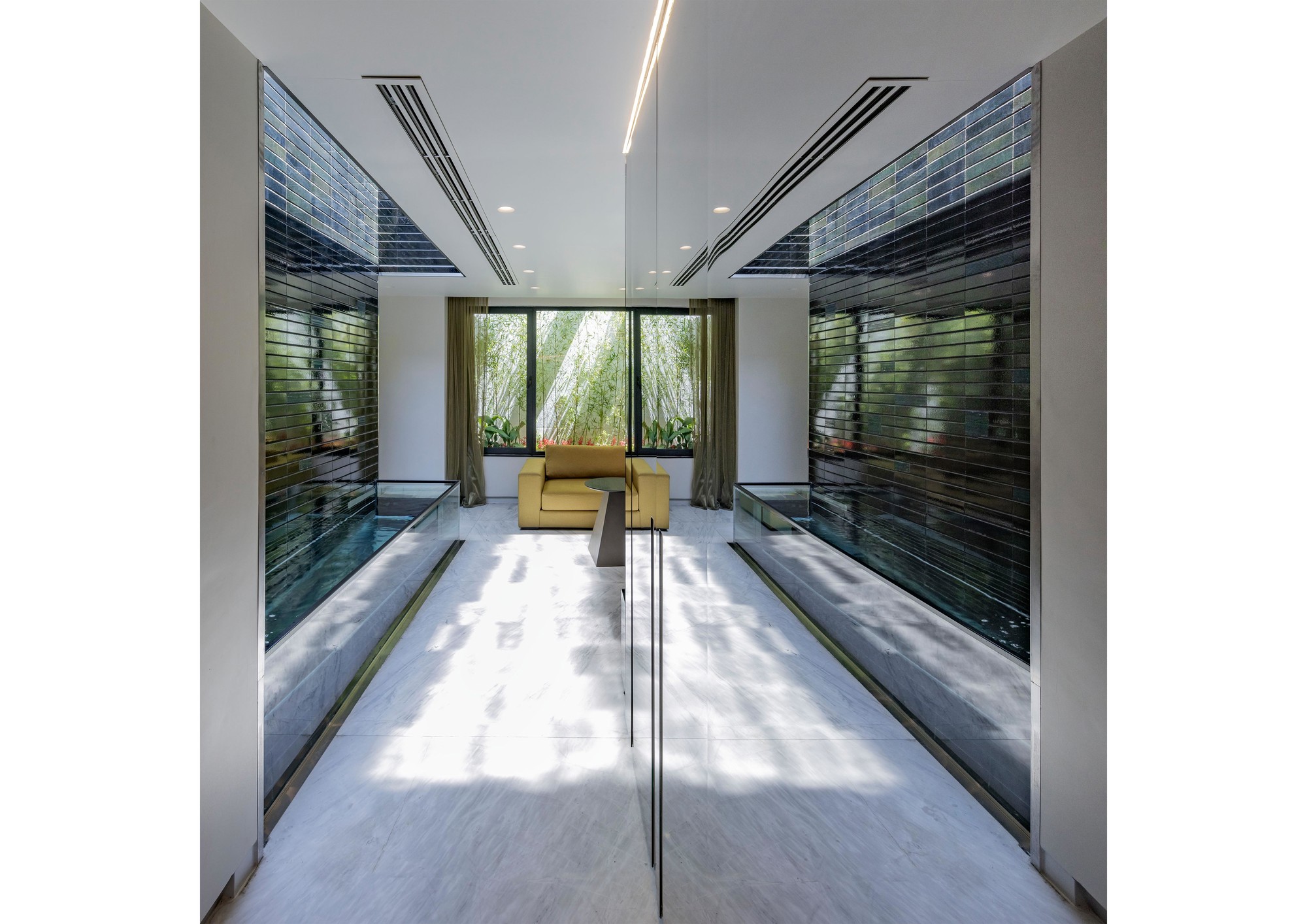
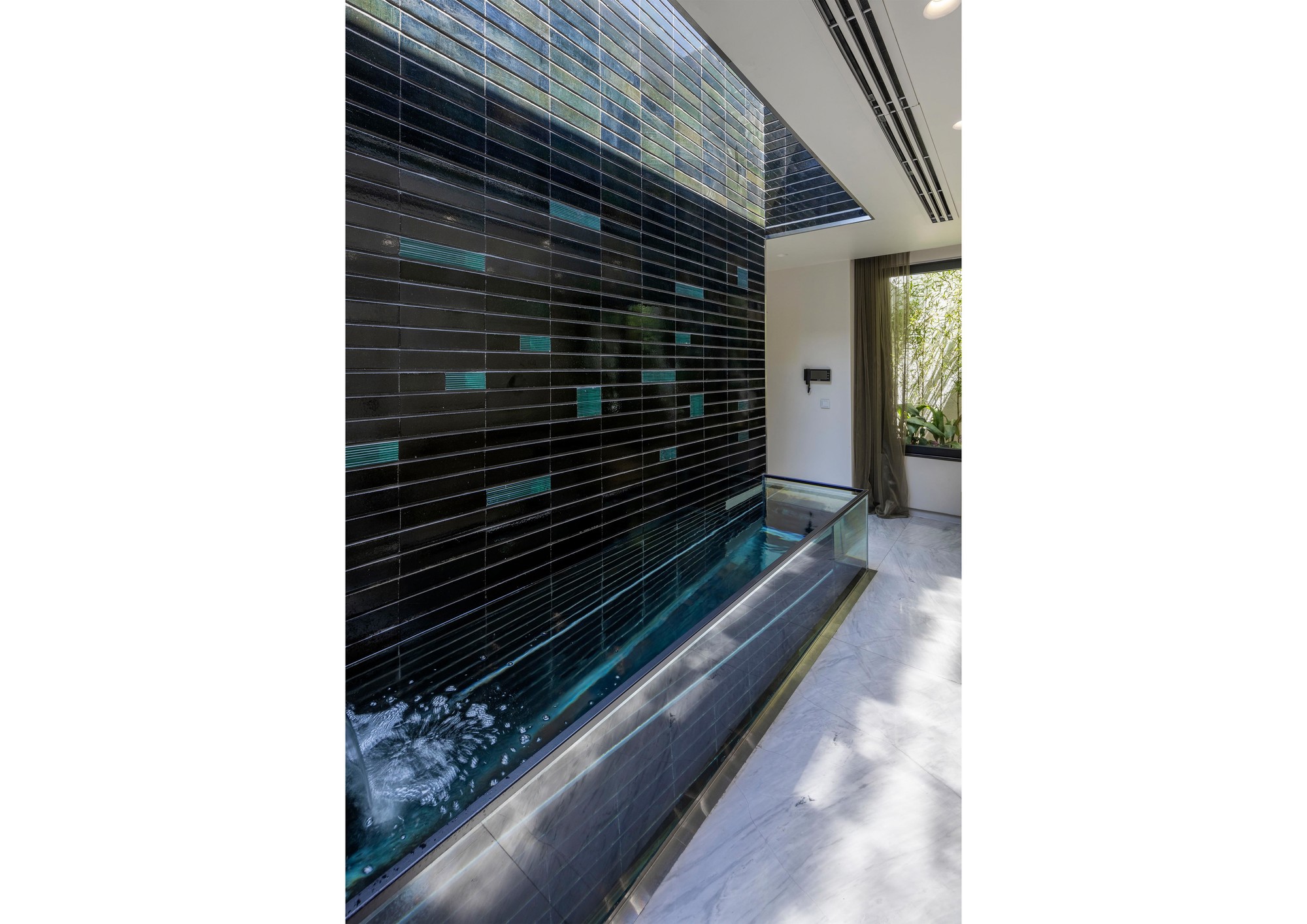
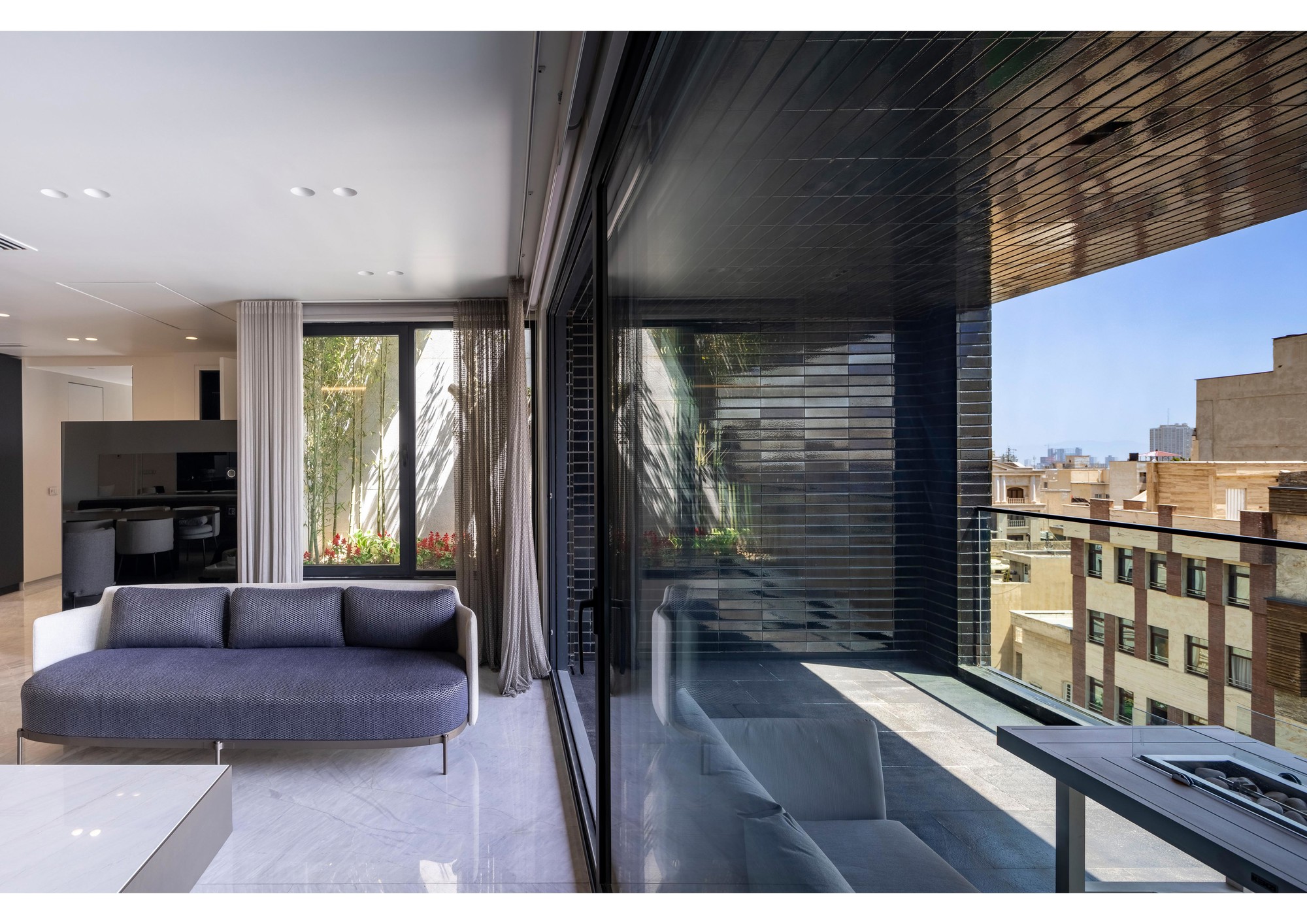
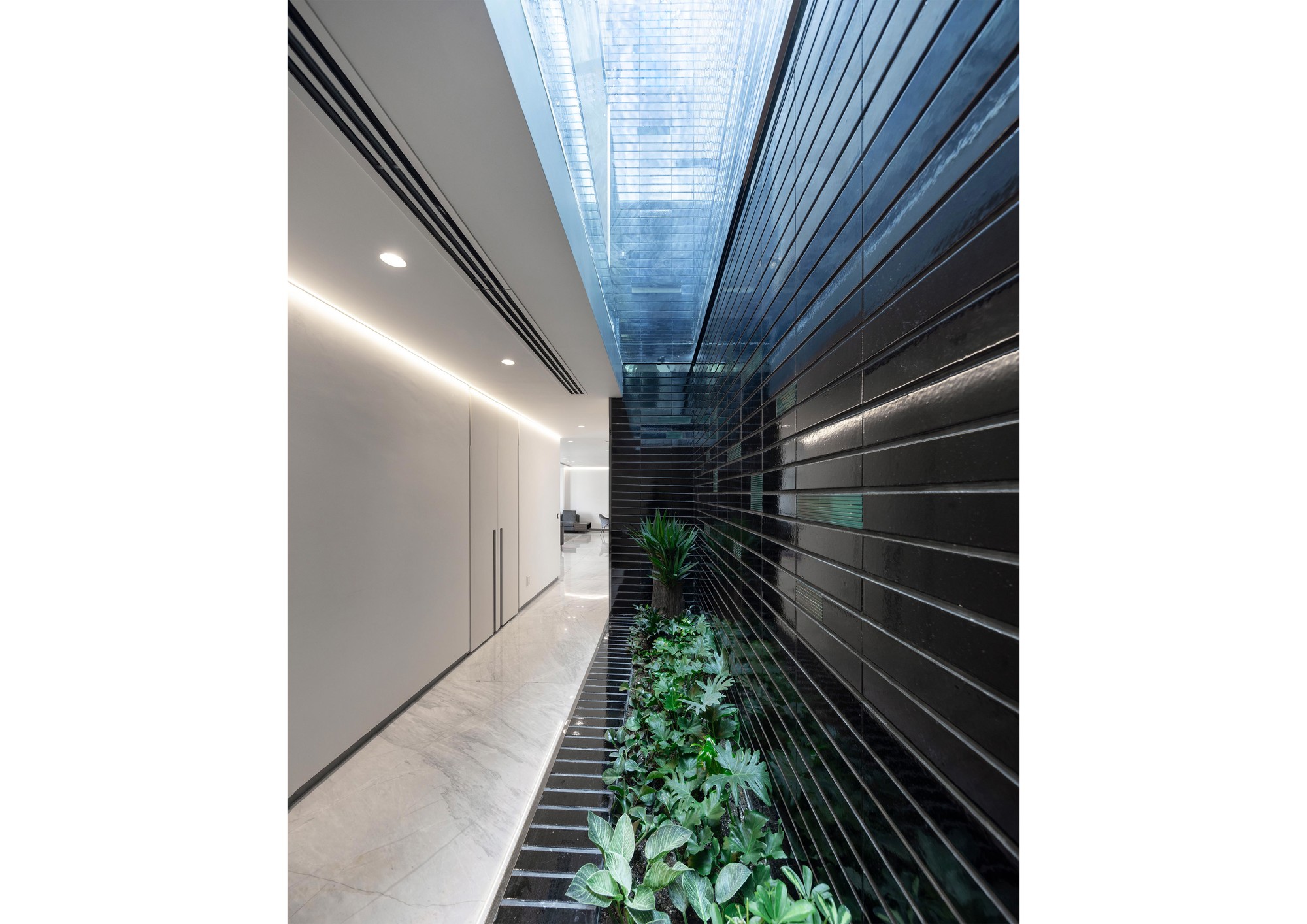
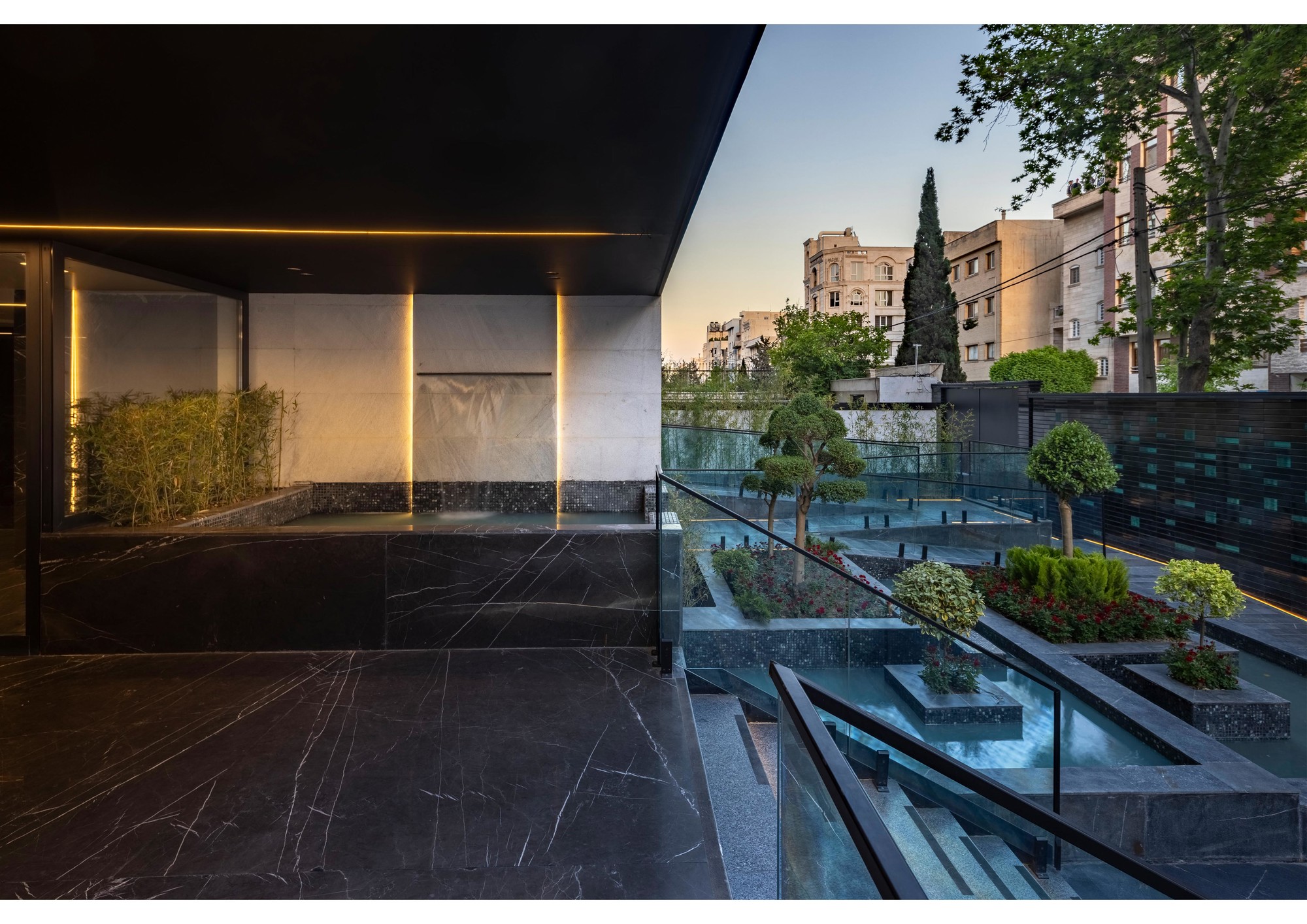
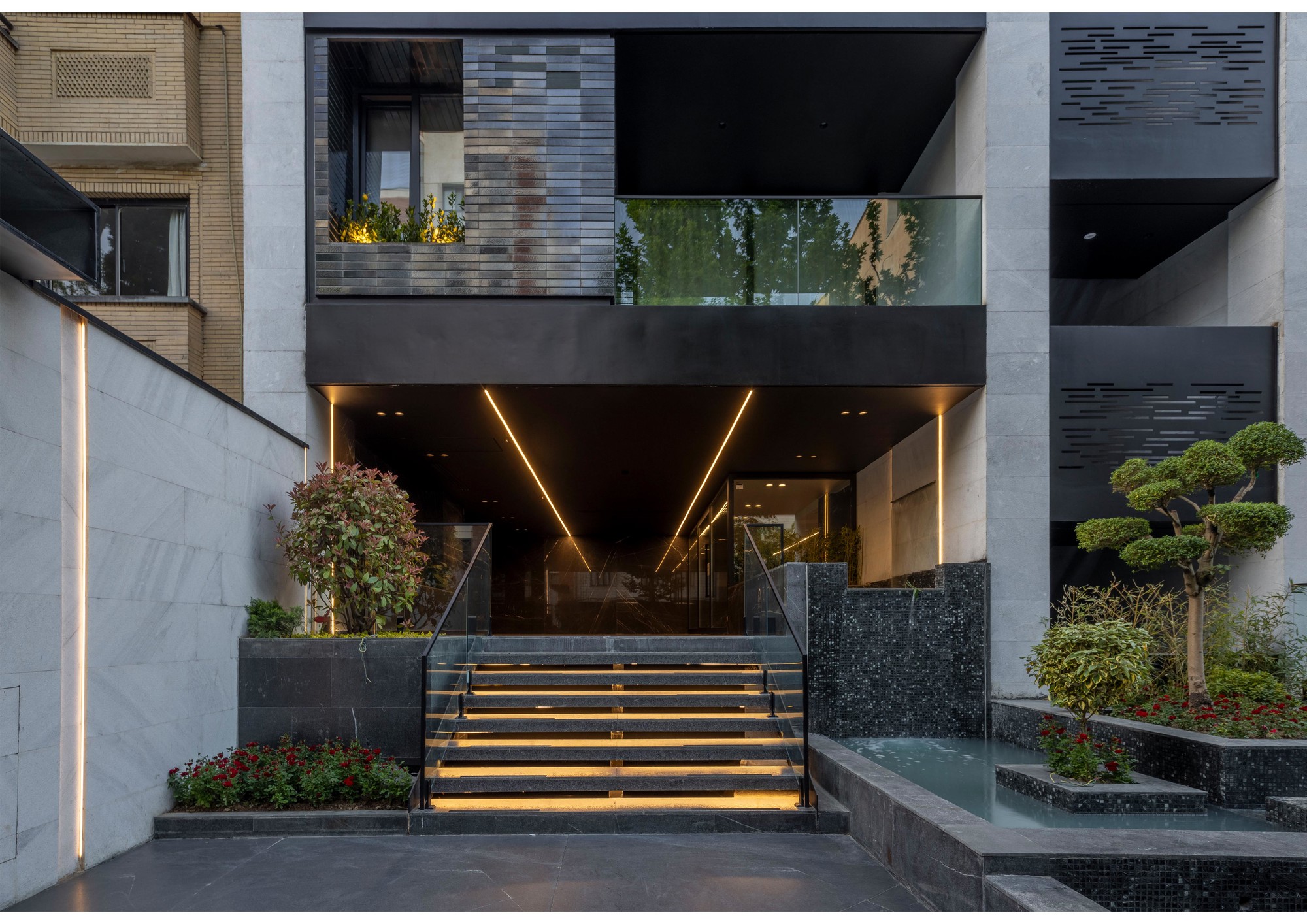
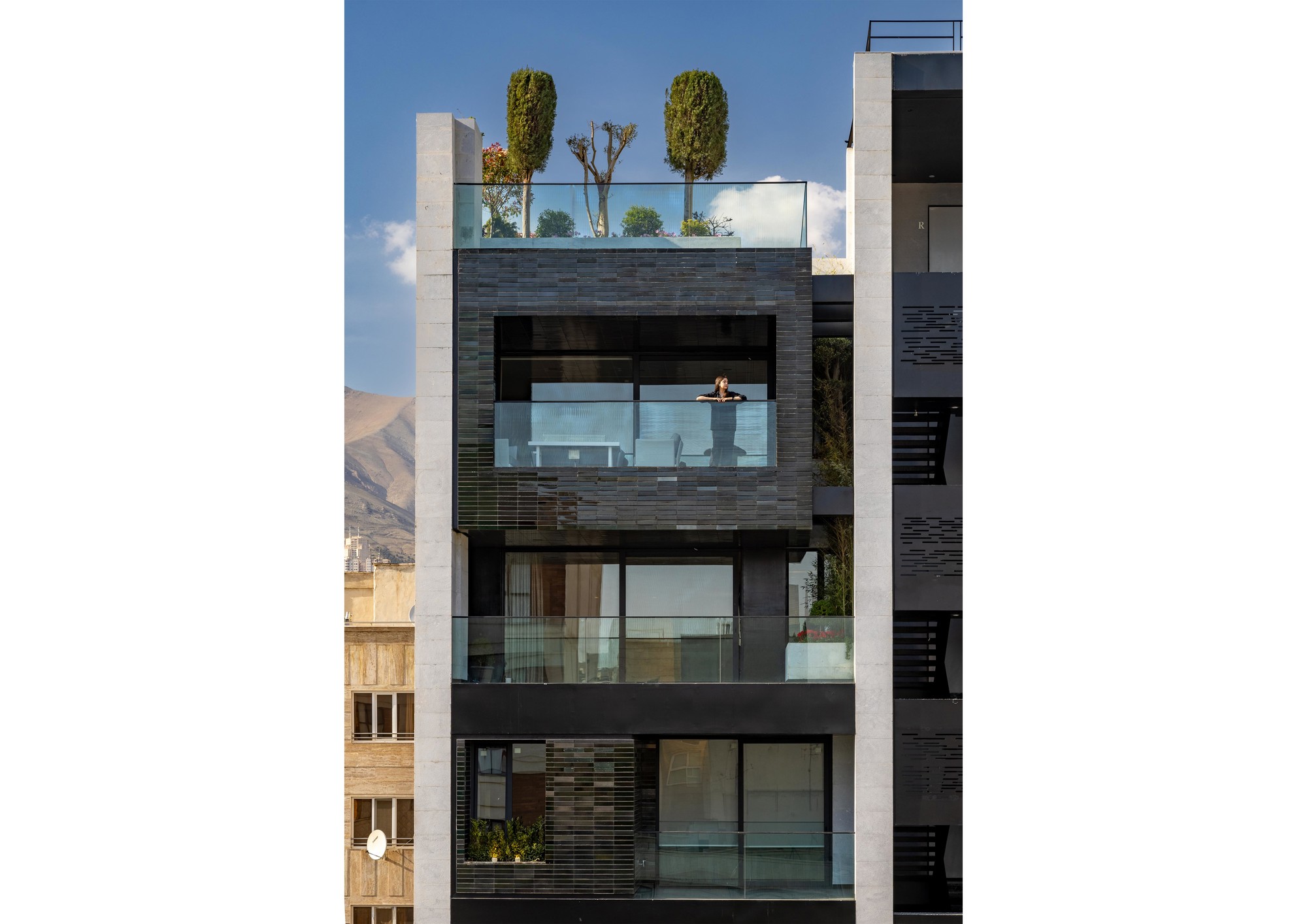
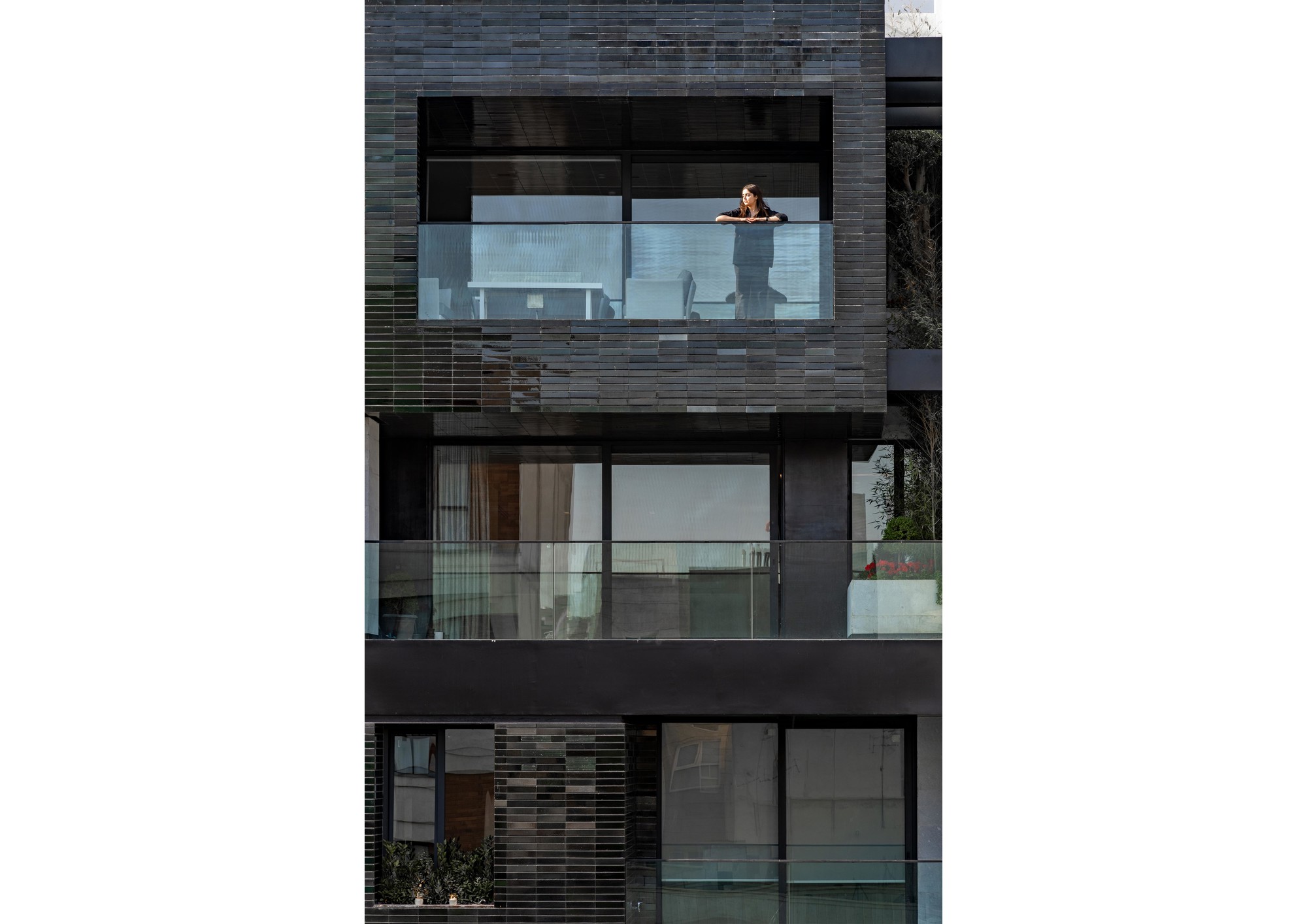
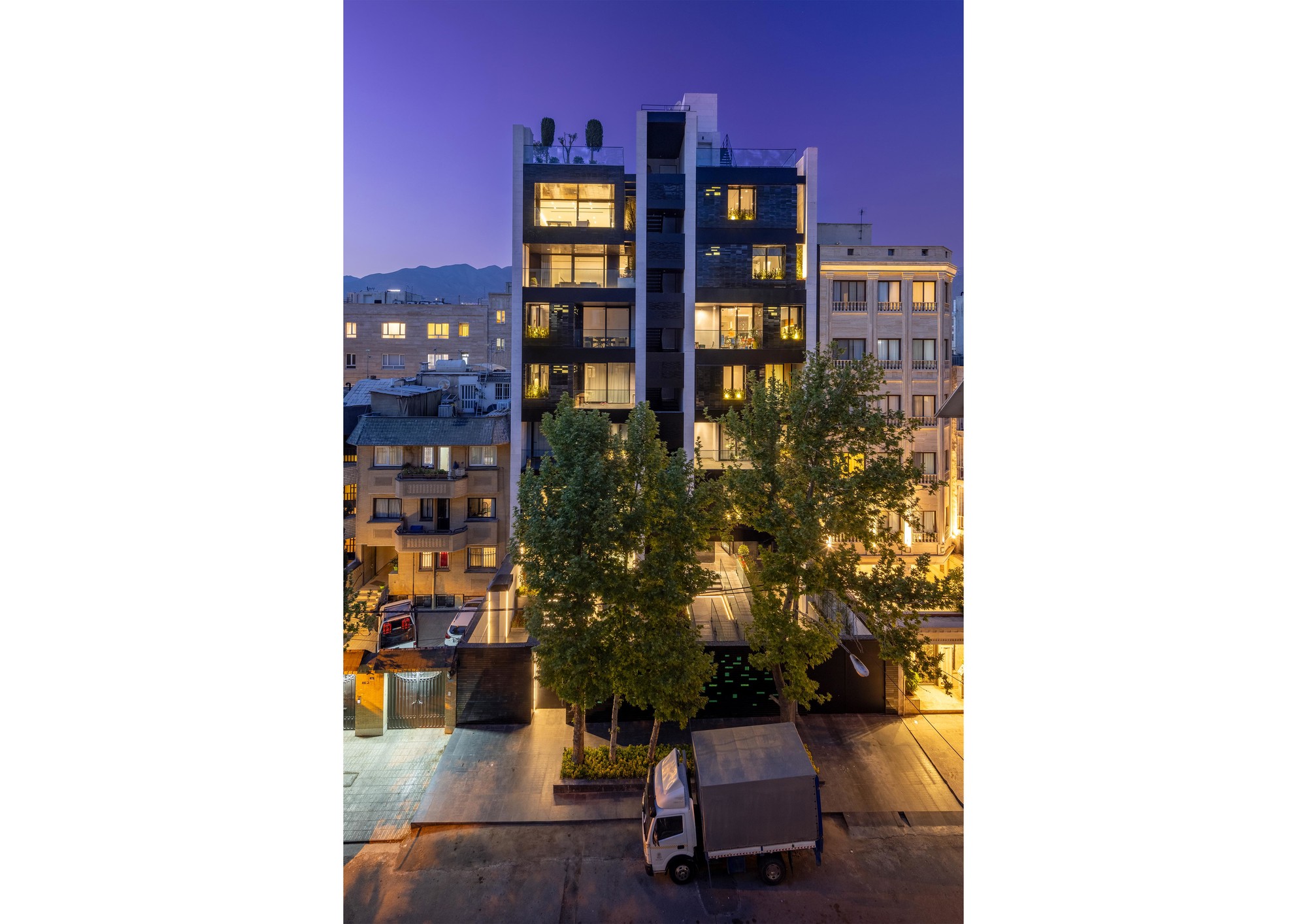
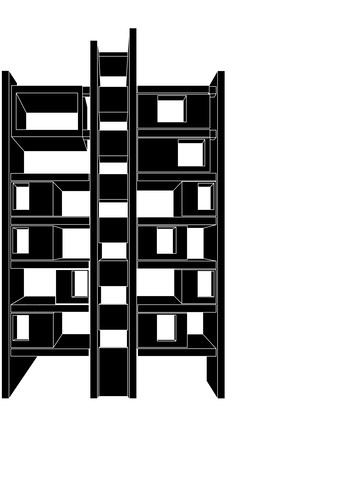
Moj residential building was introduced to our office when the structure was partially built. One of the most important aims for us was to create and develop a new “infield” building typology which is also applicable to other projects in the city. One of the main issues in typical apartments in Tehran is that the front yard in the northern blocks is underused and is not suitable for seating and gathering, because these spaces are mostly used to provide access to the parking. On the ground floor of this project, the space between the two walls was turned into a semi-open space for the residents to relax and enjoy the view of the adjacent yard. This space could act as a substitute for the front yard. On the 5th and 6th floors, the project volume deviates from the walls to enable vertical light wells on the exterior and interior volume of the building in the form of green spatial voids. This act improves the living quality of the units as the penthouses of the building. The material palette of the project was formed based on 3 components: 1. The vertical walls, embracing the structural columns, made of white crystal stone 2. The volumetric mass, covered with dark colored glazed brick, with glass blocks in between bricks wherever possible. The penetrating voids inside the spaces are also taken into consideration as masses and the same material was used to cover them. The material idea on this part was formed to reflect the light from the environment and the surrounding colors. 3. Black metal sheet, defining floor slabs (horizontal lines defining the floors).