Projects

Espriss Café

Type : Renovation
Client : Mr Derakhshi
Location : Tehran, Tehran Province, Iran
Area : 28 m2


principal Architect : Hooman Balazadeh
Project Architect : Elham Seyfi Azad
Design Team : Niloofar Al-Taha, Noushin Atrvash
3D modelling : Mona Razavi
Visualization: Mona Razavi
Project Manager : Parham Taghioff
Construction Director : Elham Seyfi Azad
Electrical Consultant Engineer : Mohammad Fard, Majid Kamali
Glazed brick designer : Ali Akbari, Nosrat-Allah Mansouri
Logo design : Iman Yousefi

Espriss Café

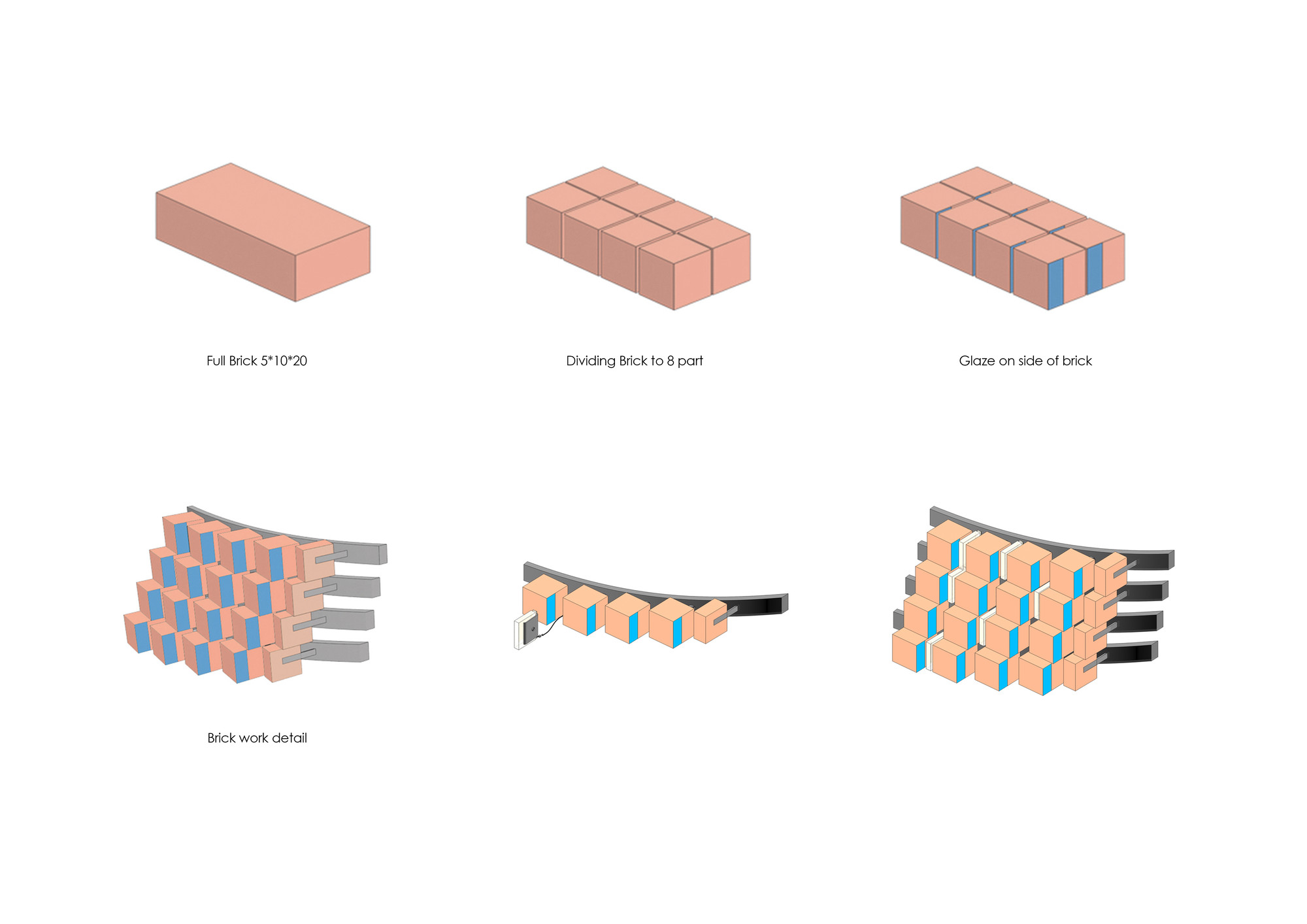
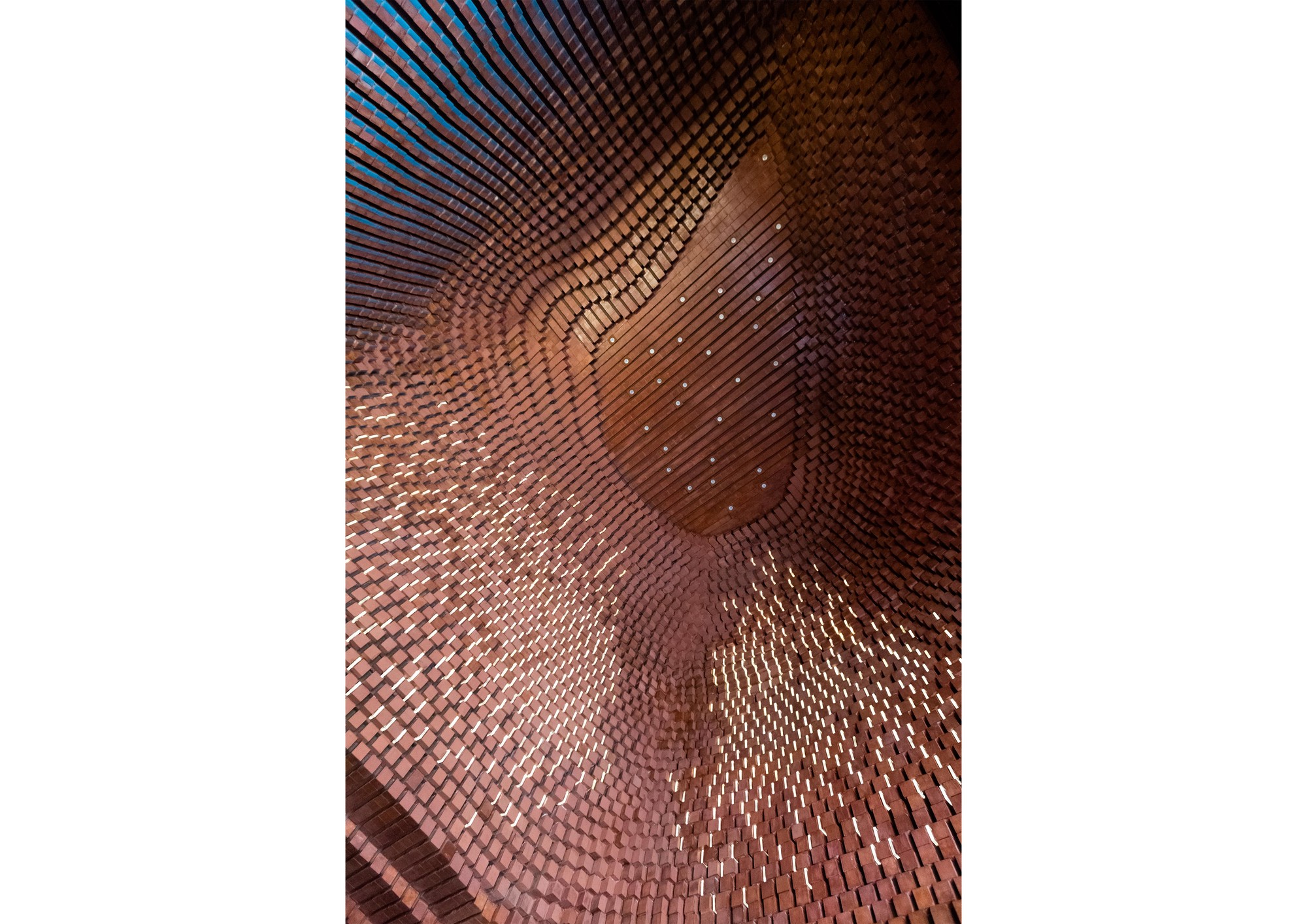
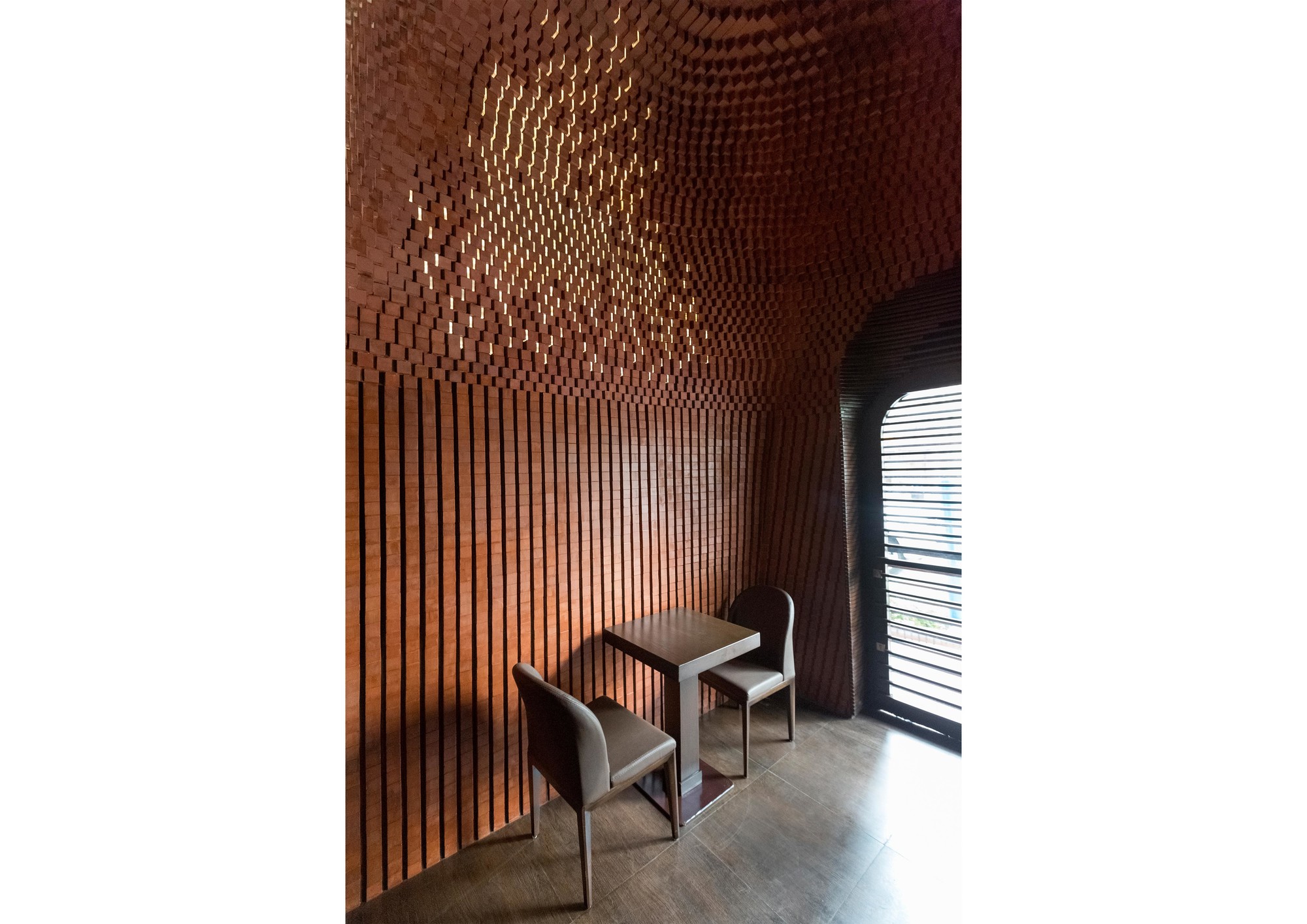
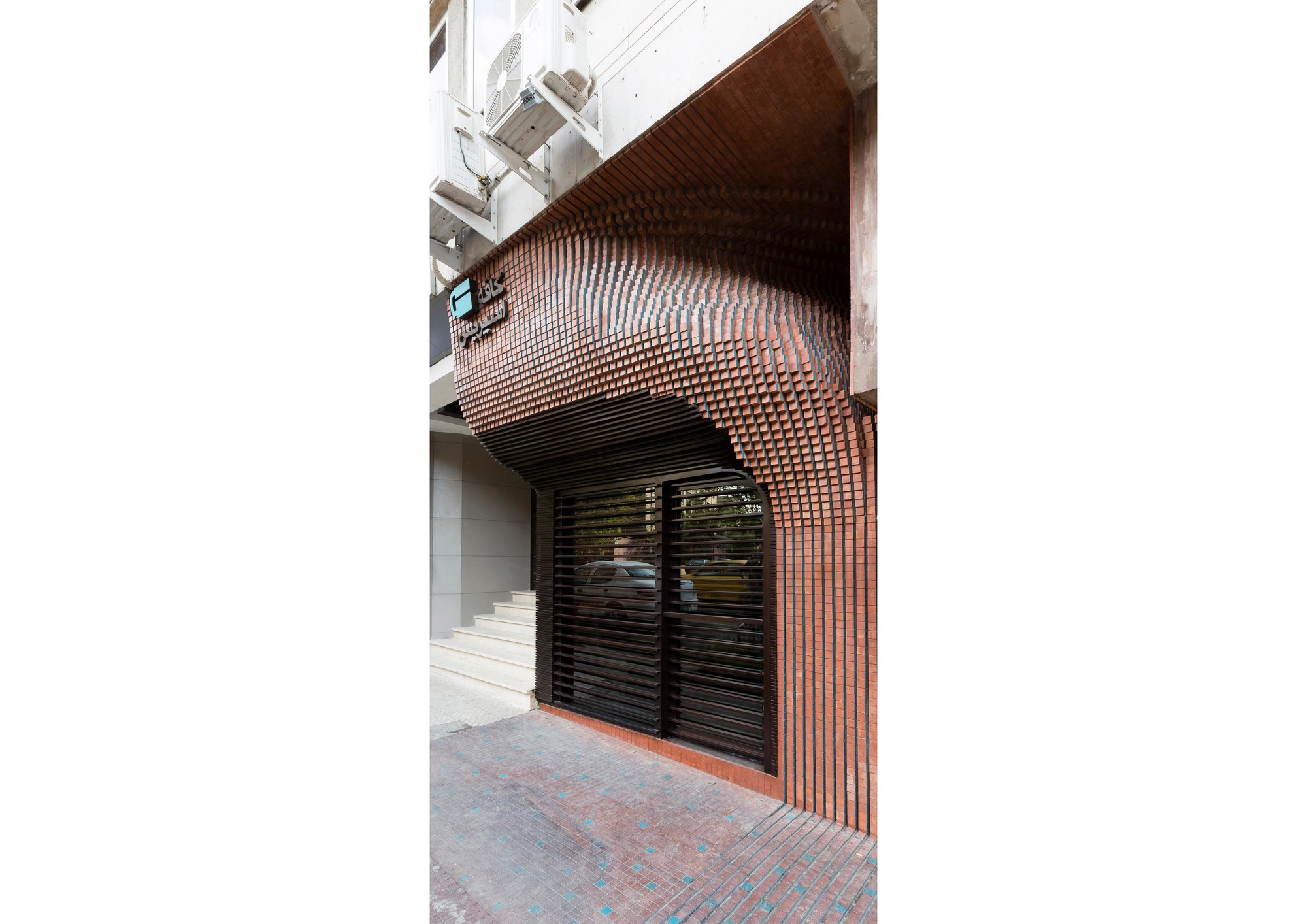
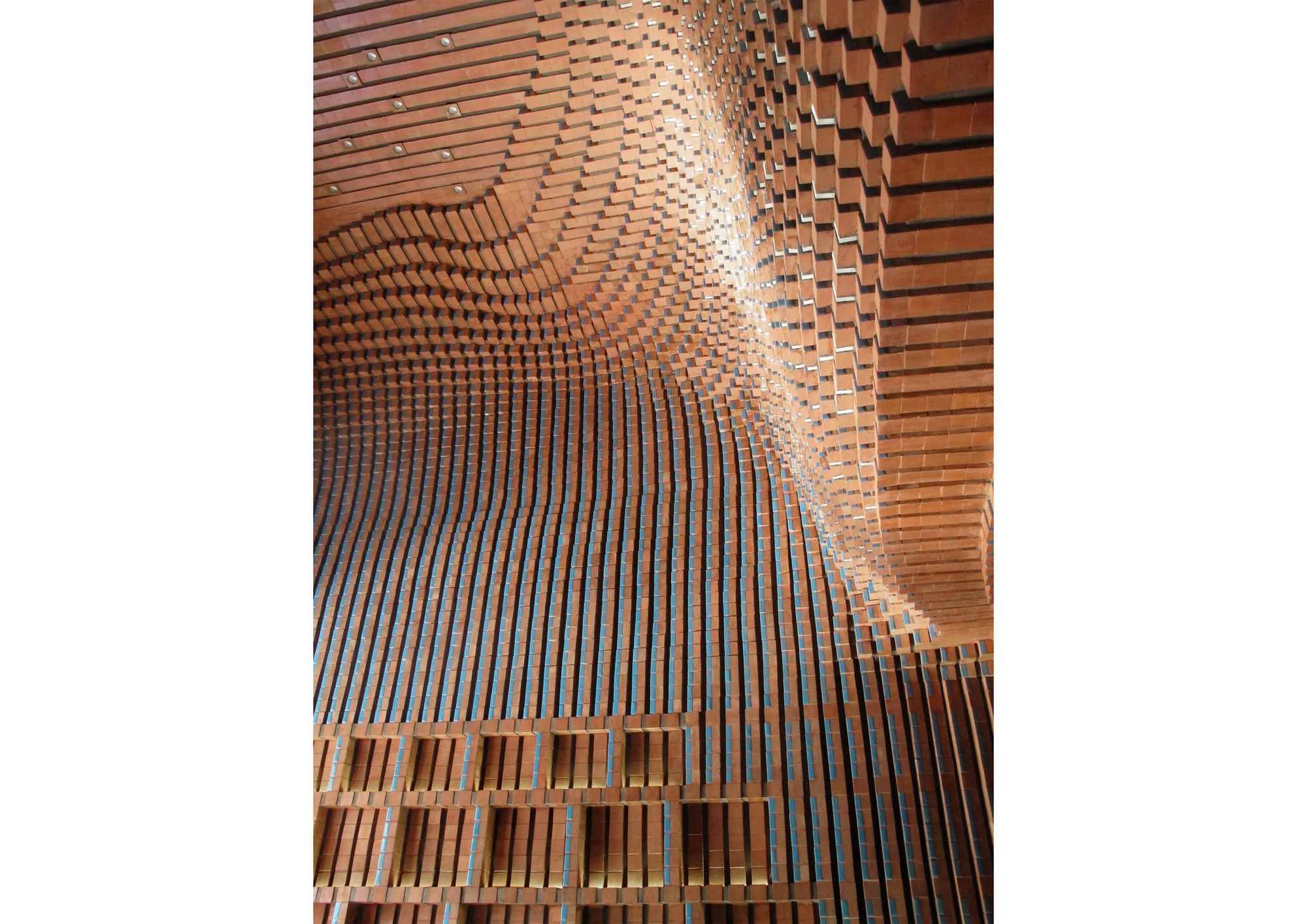
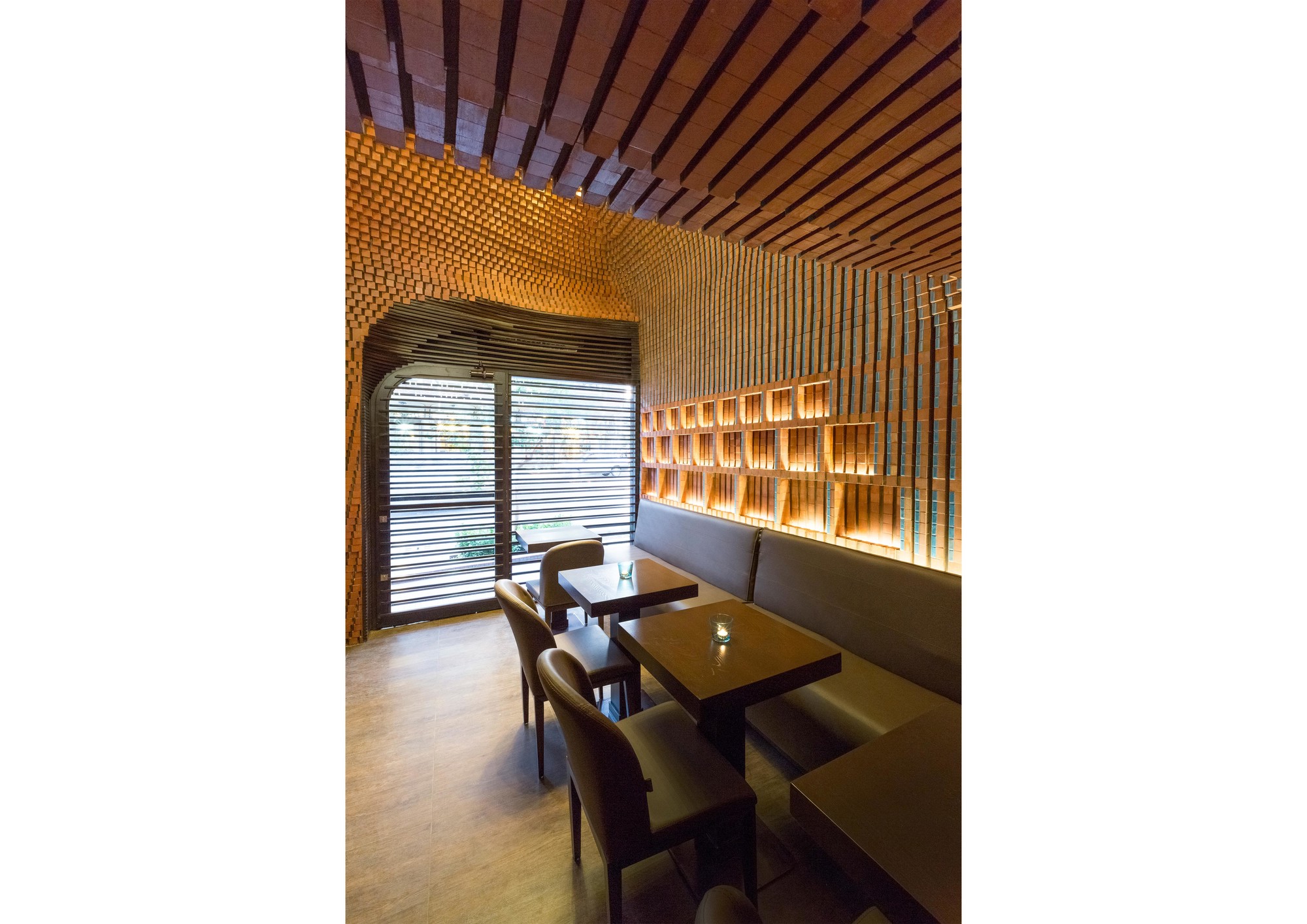
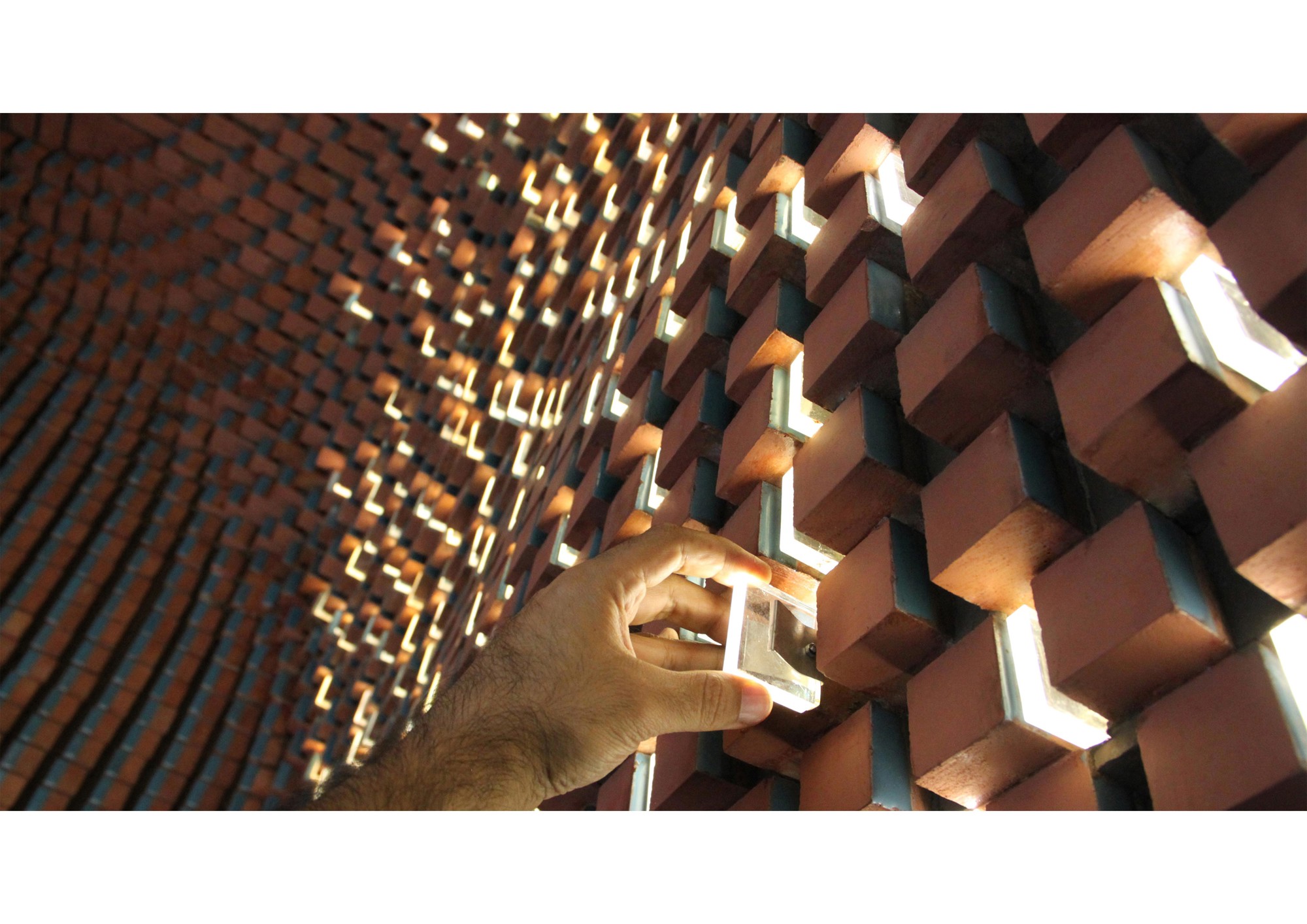
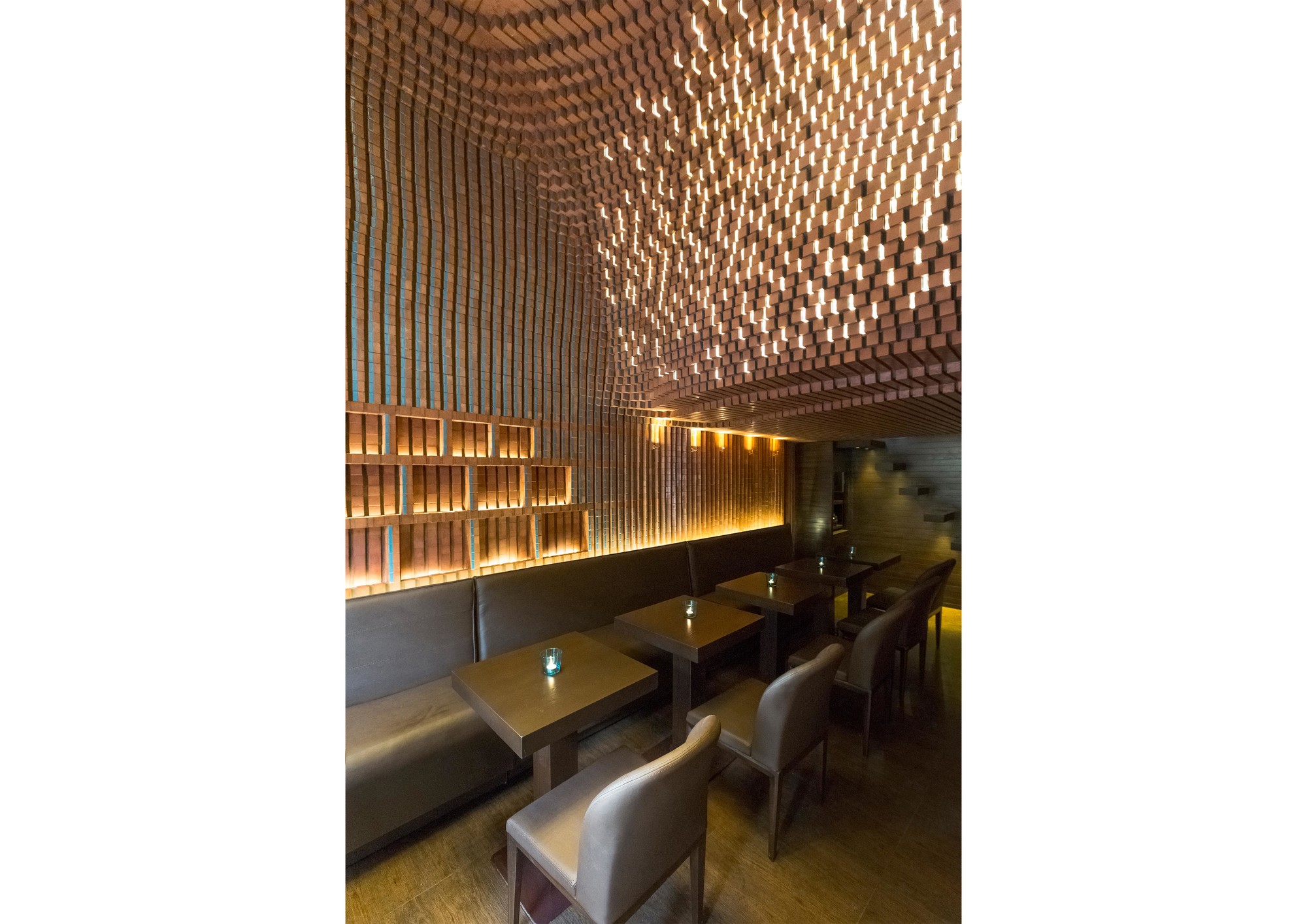
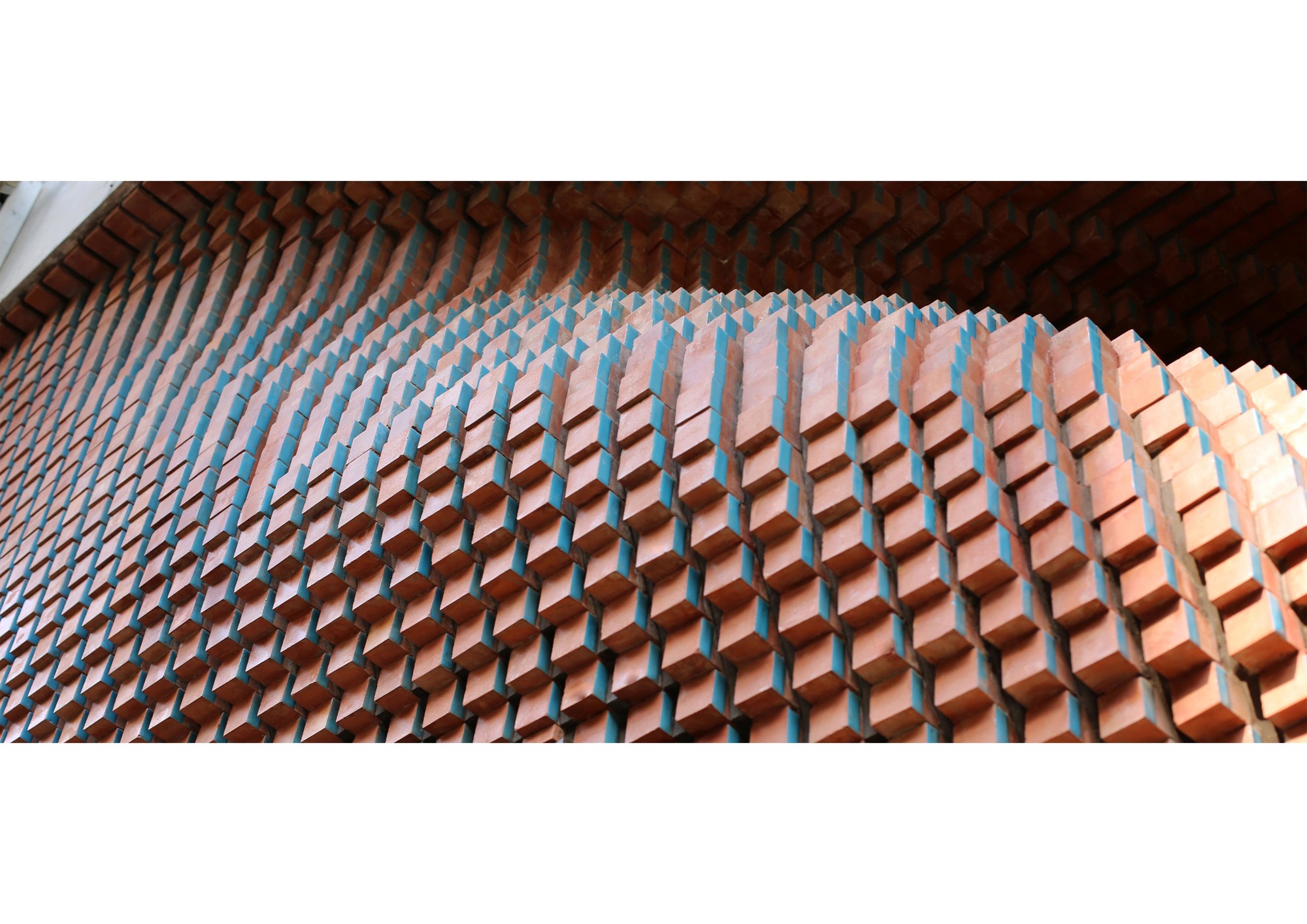
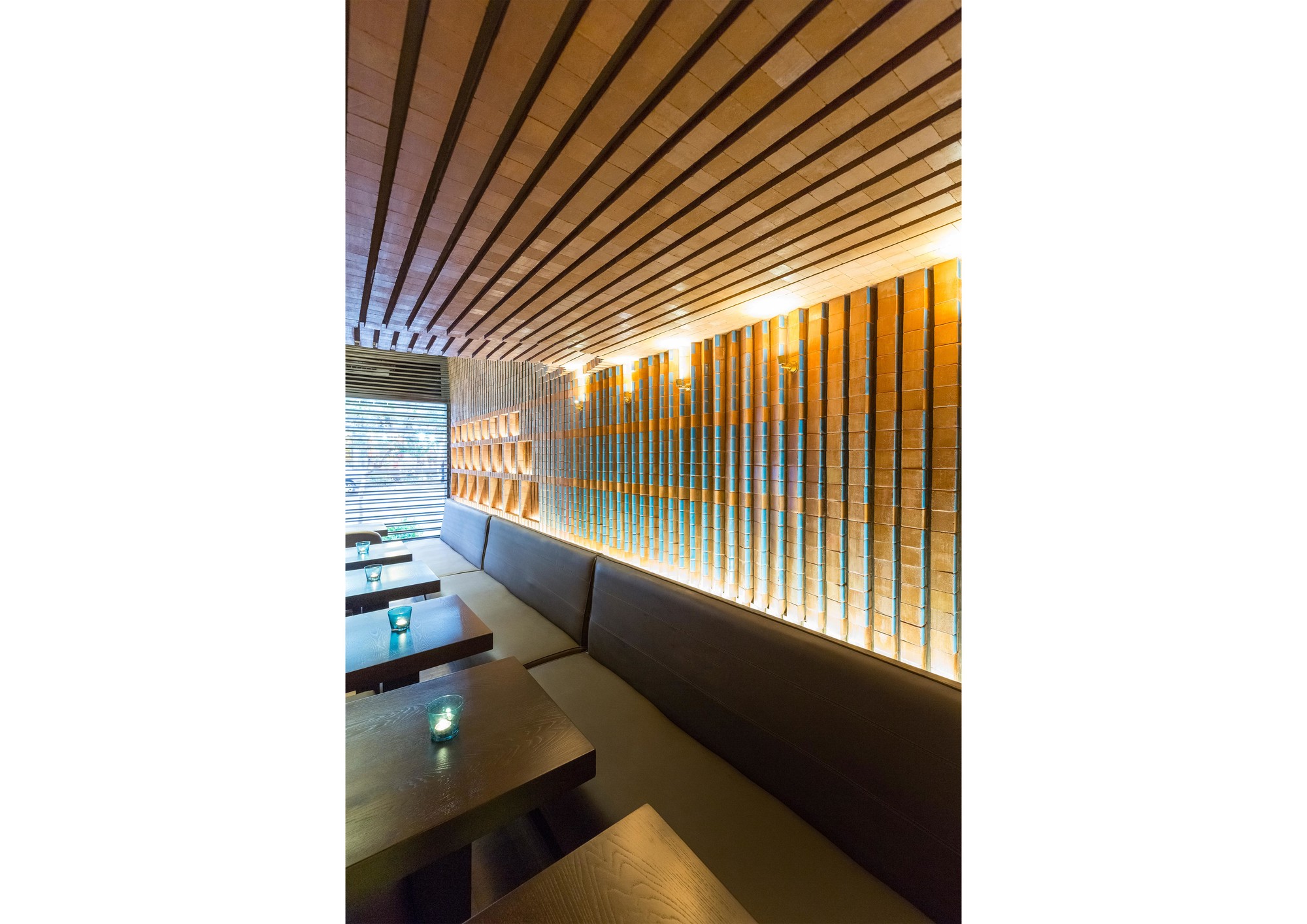
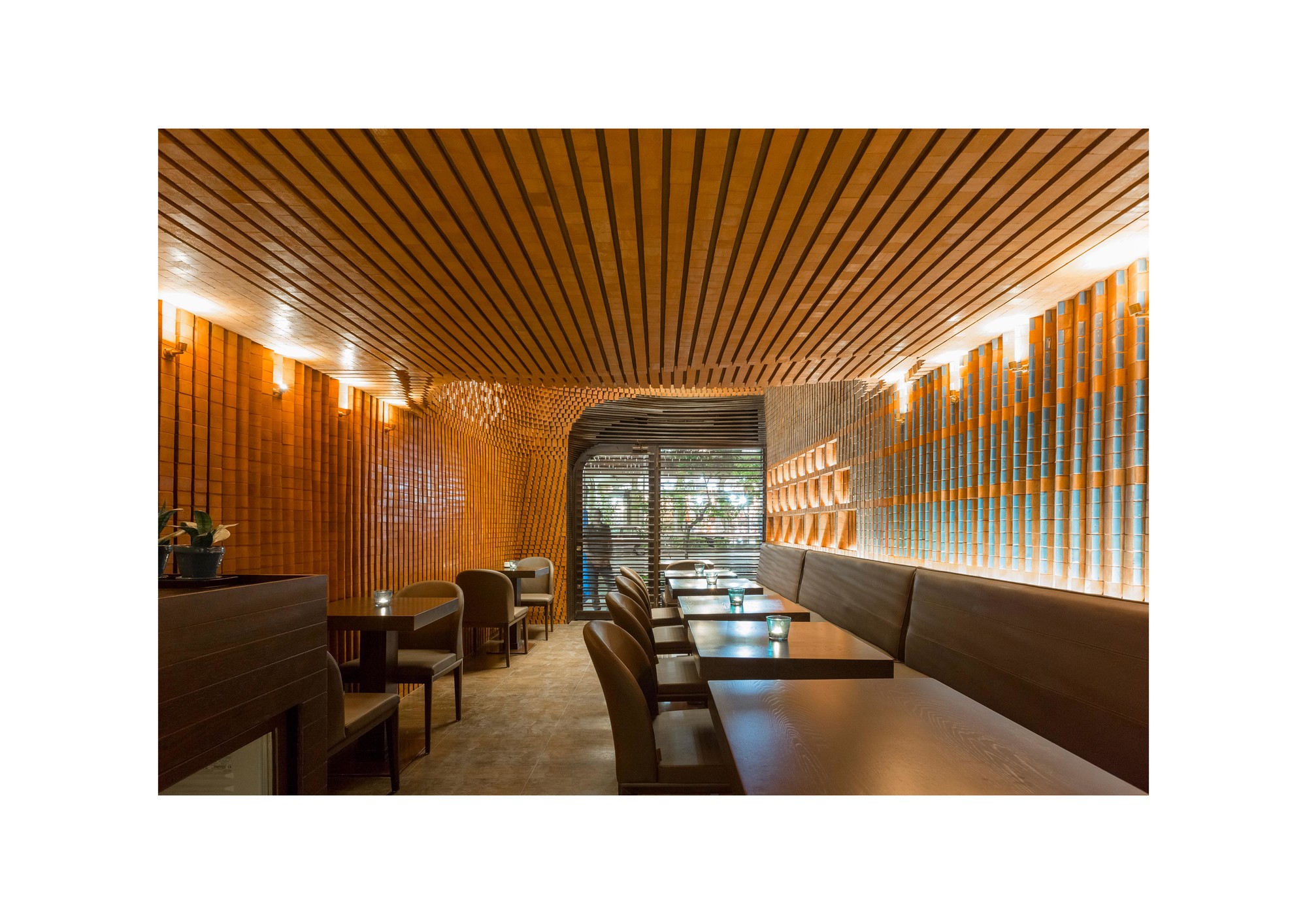
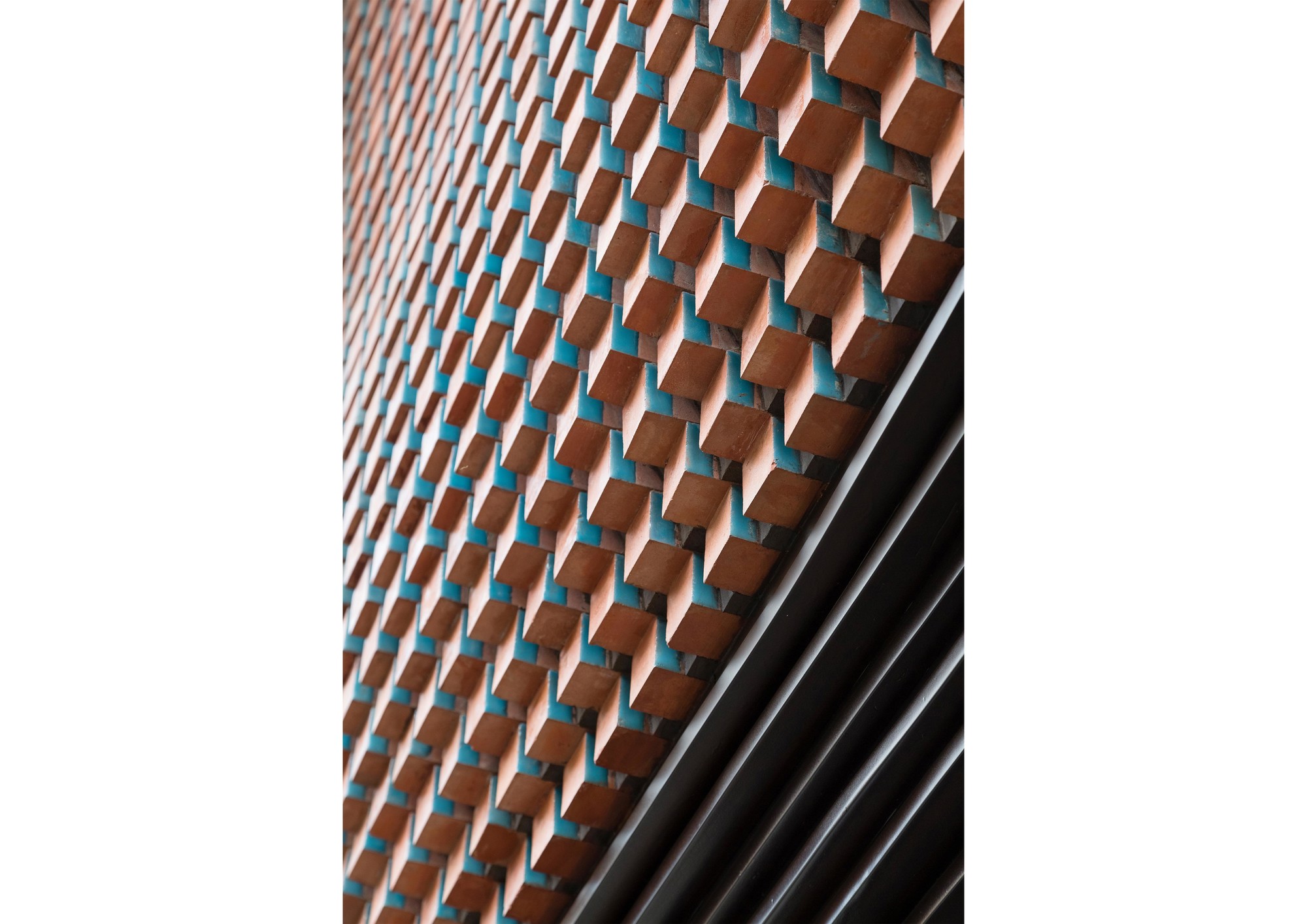
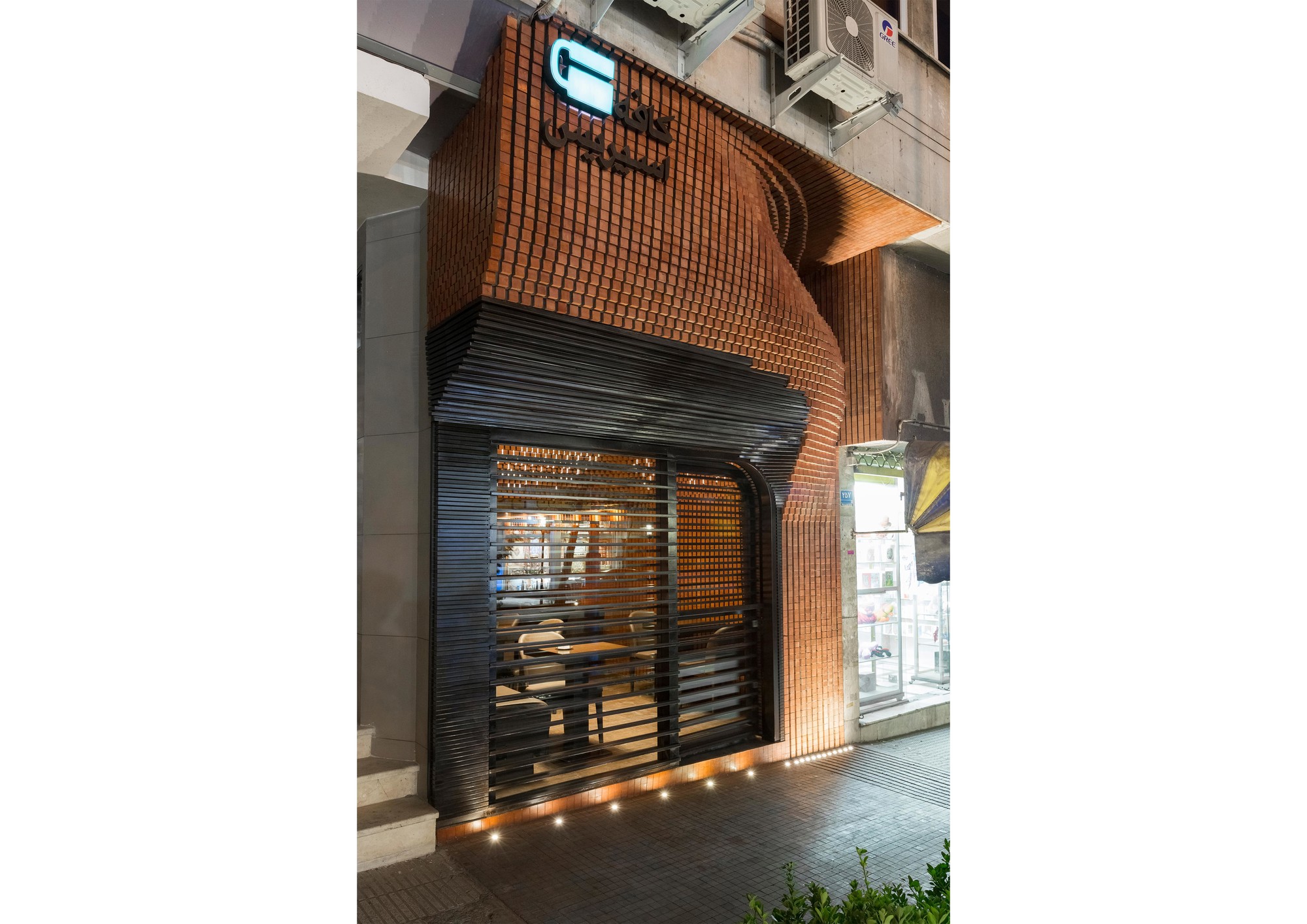
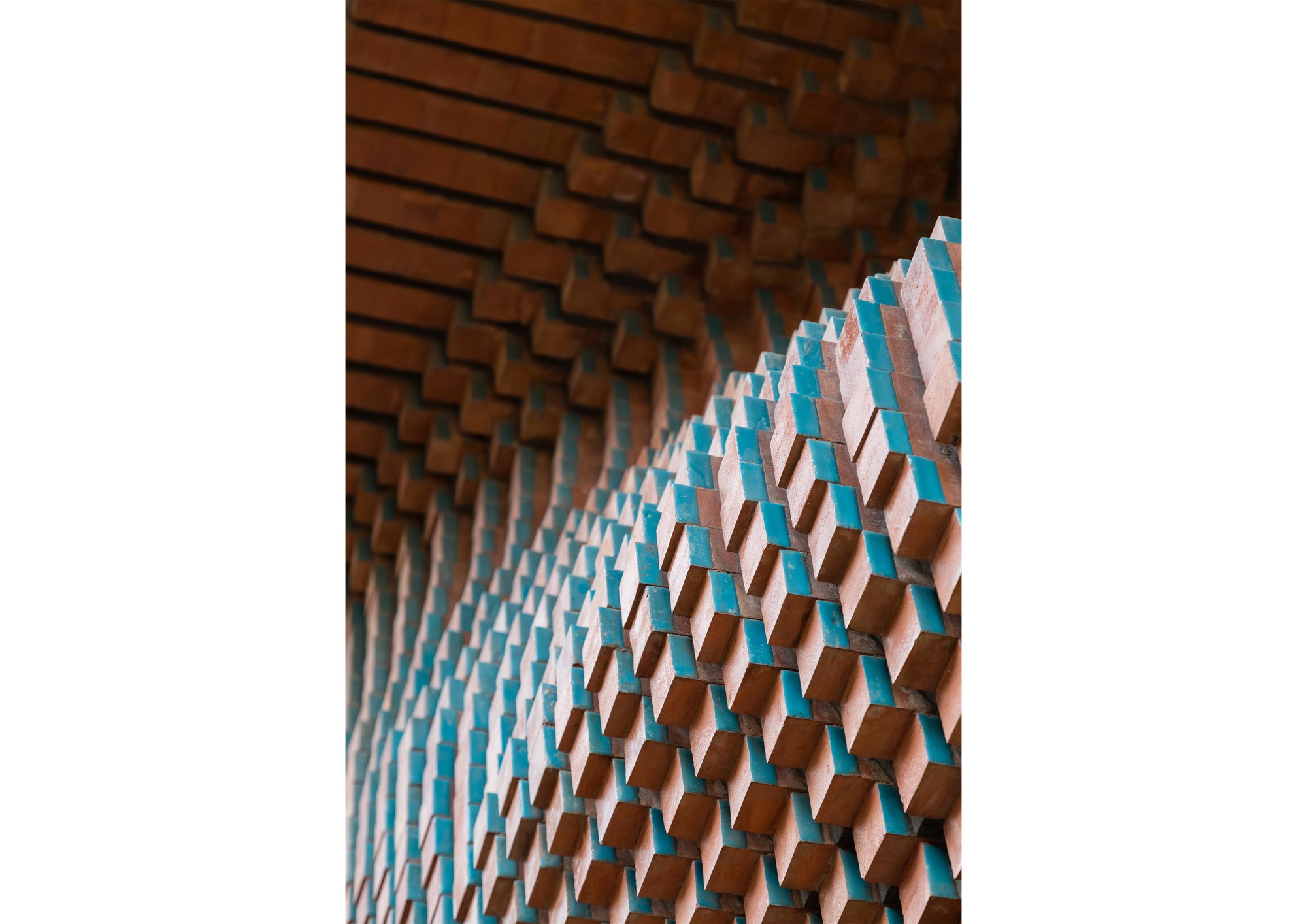
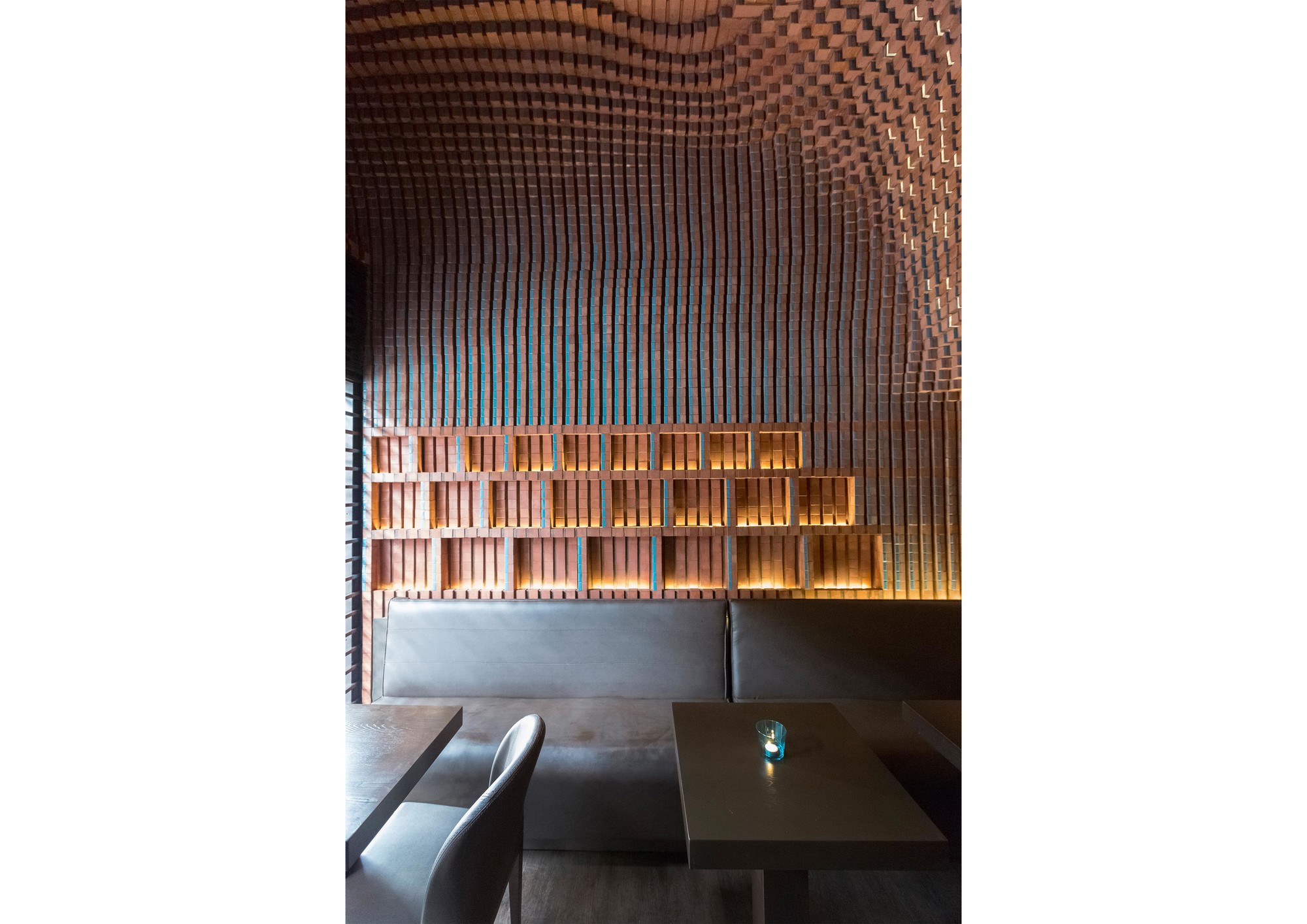
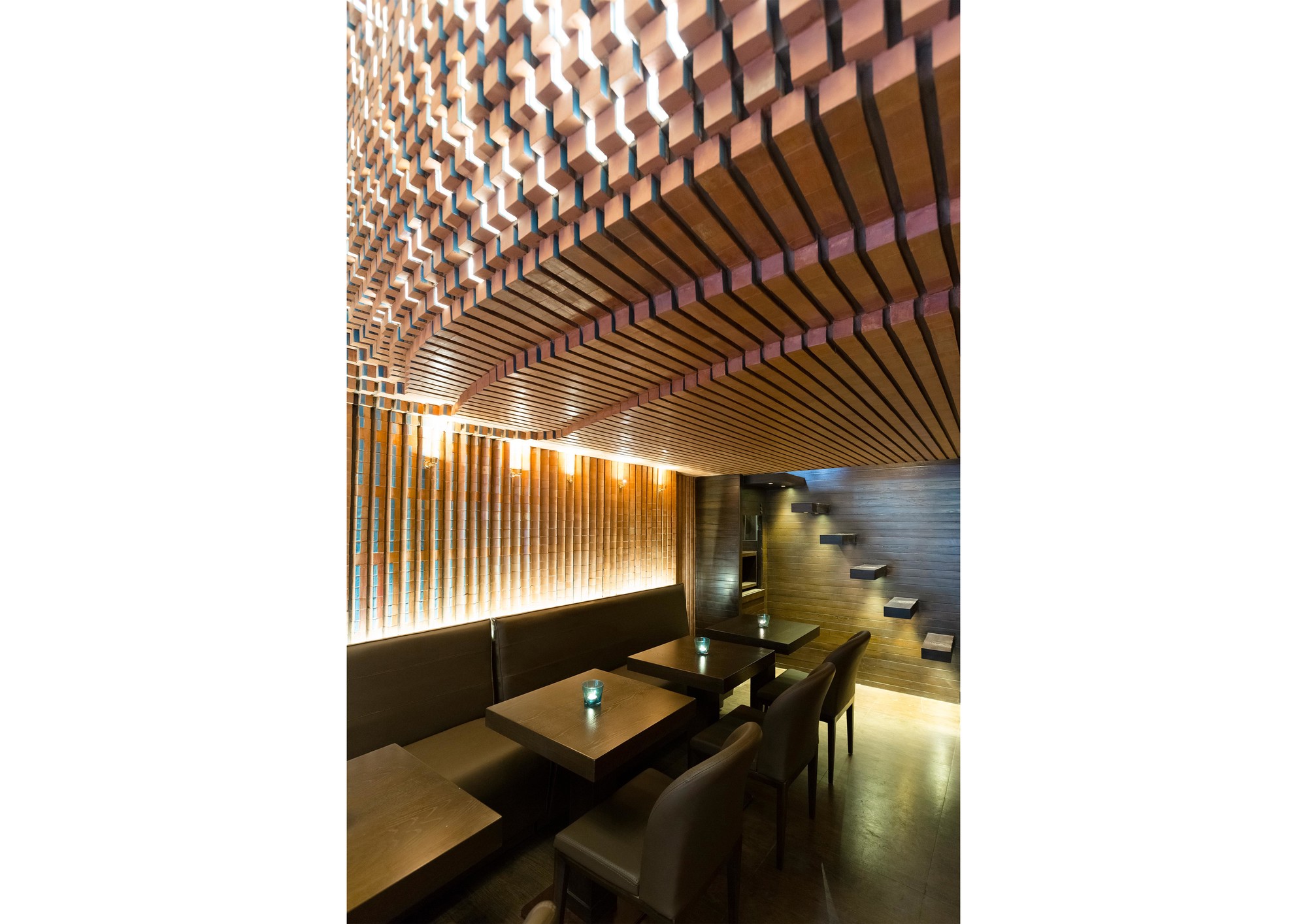
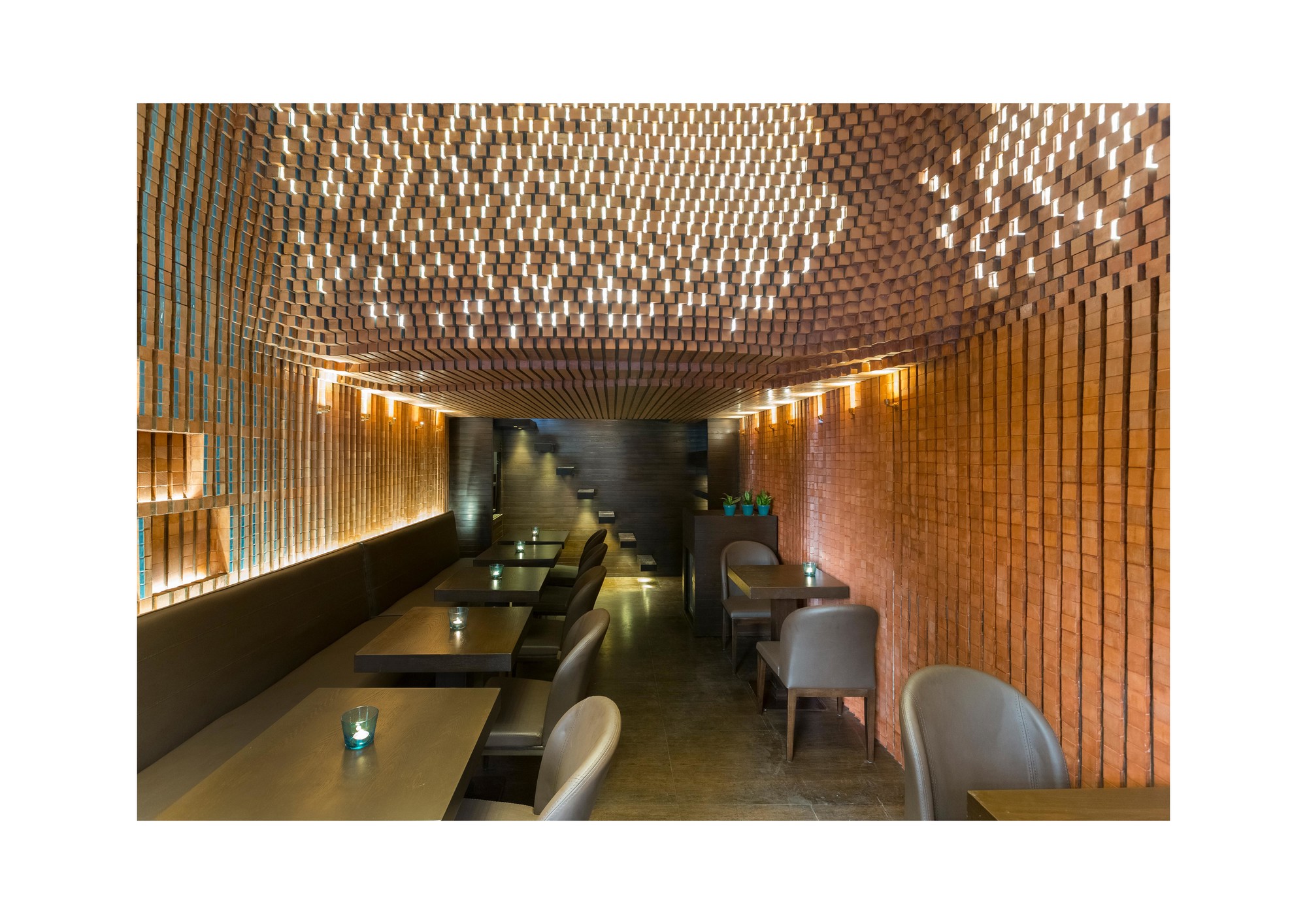
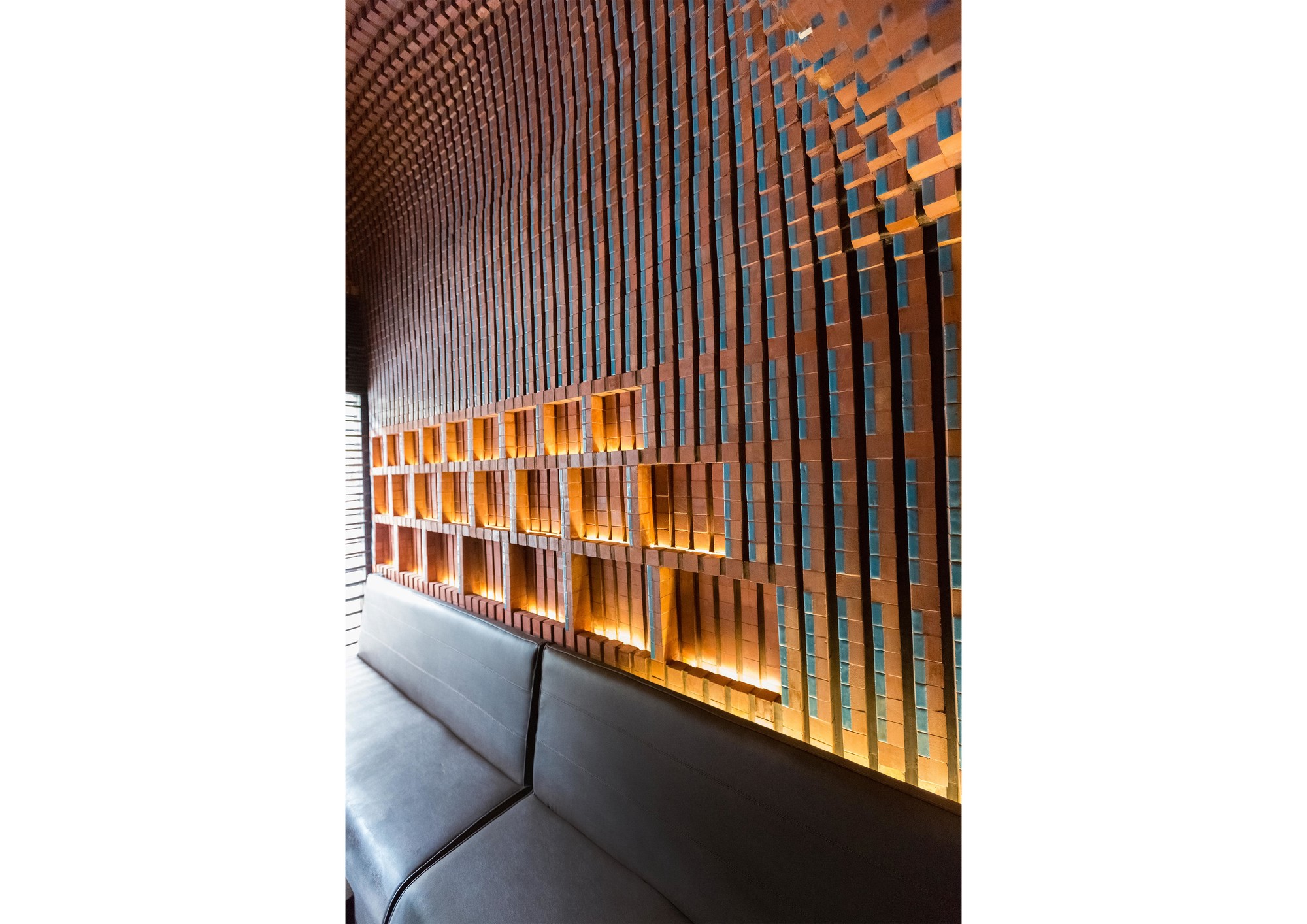
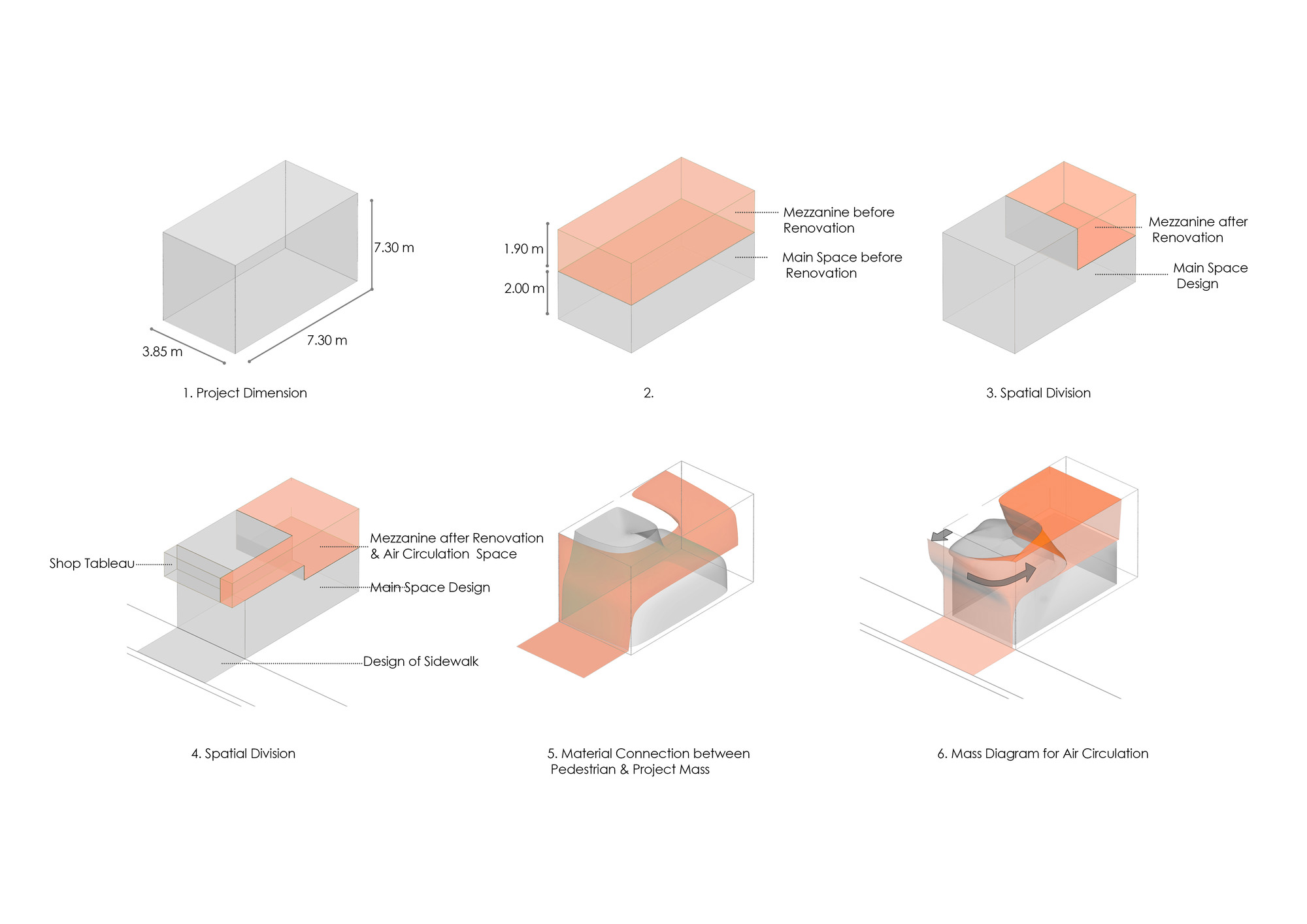
At the heart of Tehran’s handicraft hub, the site of this project was located in front of the Cultural Heritage, Handicrafts, and Tourism Association of Iran. The intention here was to retrofit a small old shop into a cafe. The design team was looking for a system which not only suits the dimensions of the space but also creates a meaningful connection to its unique context. In harmony with the adjacent Association building, brick was used as the main material for this project. Considering the small size of the space, the ordinary 5*10*20 cm brick blocks were divided into 8 pieces, creating a 5cm wide cubical module forming both the exterior and the interior surfaces of the café. The Terracotta bricks were glazed turquoise blue on one side and coated with an antibacterial hygienic layer making them easy to clean. Considering the volumetric mass of the project, half of the second floor was demolished to create a double storey height at the main seating area. The other half of the second floor was later used to situate the kitchen and the restrooms and was connected to the ground floor by stairs and a small lift. Another challenge was to provide a ventilation system for the kitchen without causing any visual disturbance to the front facade. The ventilation system was hidden inside the form and linked to the kitchen through the void connecting to the facade. The final spatial diagram creates an integrated system which not only addresses the above criteria but also defines the morphology of the bricks and the lights. Another important design consideration was to create a dynamic composition of the bricks, the glazing, and the lights, providing the customers with a different perceptional experience based on their position in the cafe. The glazed side of the bricks were oriented towards the south and the spatial diagram created an integrated brick pattern starting from the exterior side walk and extending inside the café space. Inspired by the concept of Fakhro-Madin in the Persian architecture, the lighting of this space consisted of small lights implemented in the gap between the bricks. The combination of the SMD strips and a piece of Plexiglas held by a tightening spring made these lights easily maintained or replaced. The other material used in the interior space was dark wood forming the floor, the furniture, and the connection to the kitchen. All the elements forming this project could be categorized in two main sections in terms of materiality and function: 1.The kitchen area which is connected to the ground floor through the back wall and to the front facade through the ventilation void. 2. The surface layer defining the brick modules on both the interior and the exterior. It was essential to develop a feasible construction technique to optimize the cost and the timing of the project. To achieve this goal each section of the brick contours was plotted one to one and was provided to the contractor. The metal frames were then bent according to the plot and the position of each brick was determined by small bars attached to the frames. The bricks where then installed on the frames through the holes on the back.