Projects

Bakeri Restaurant Complex

Type : Hospitality & Leisure
Client : Mr.Masoudi
Location : Tehran, Tehran Province, Iran
Area : 24000 sqm


principal Architect : Hooman Balazadeh
Project Architect : Iman Yousefi
Interior design team : Saeed Farshbaf
Visualization: Mona Razavi
Physical Modeling : Mehran Alinezhad
Structural Consultant Engineer : Rasool Mirghaderi
Logo design : Iman Yoosefi

Bakeri Restaurant Complex

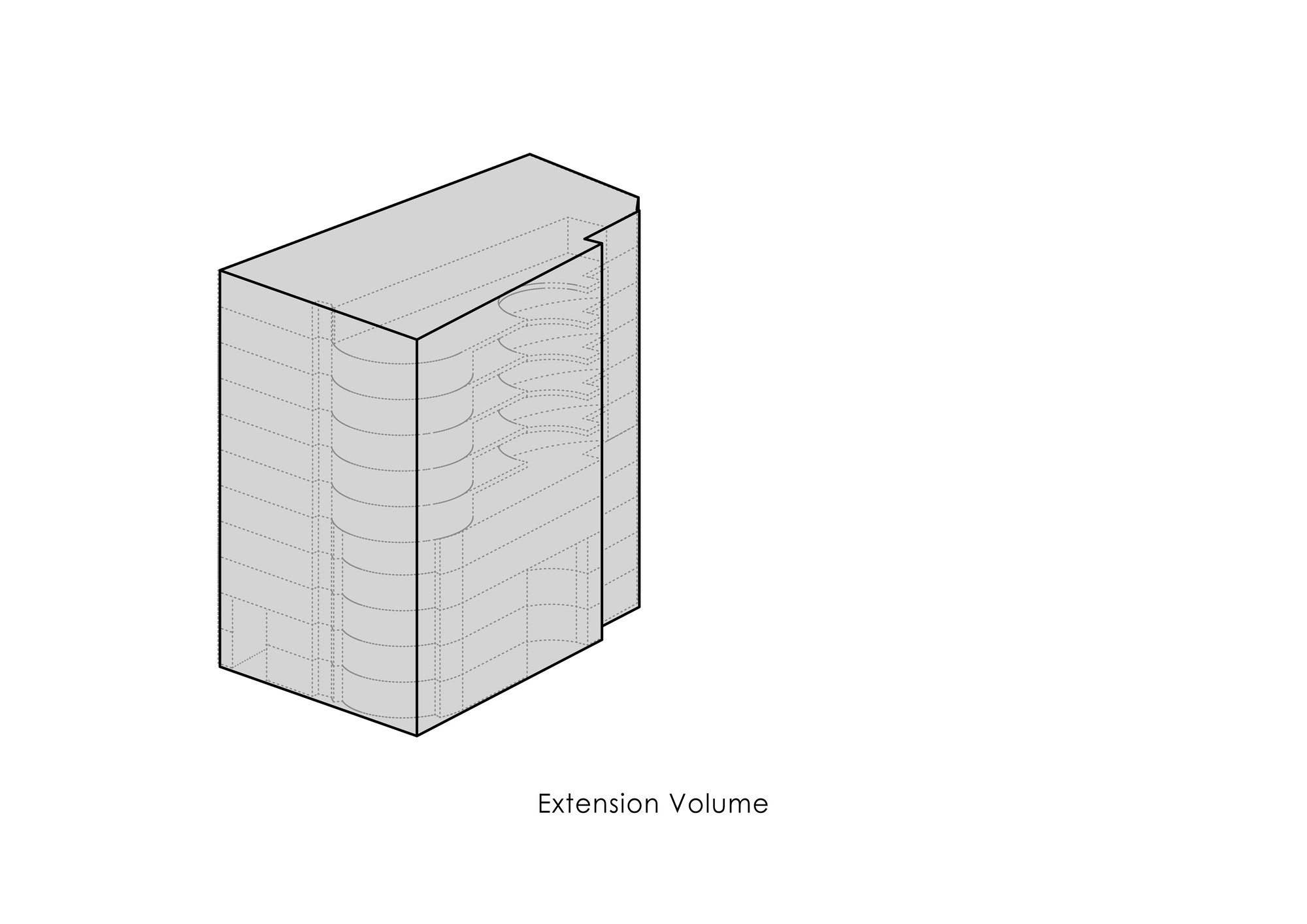
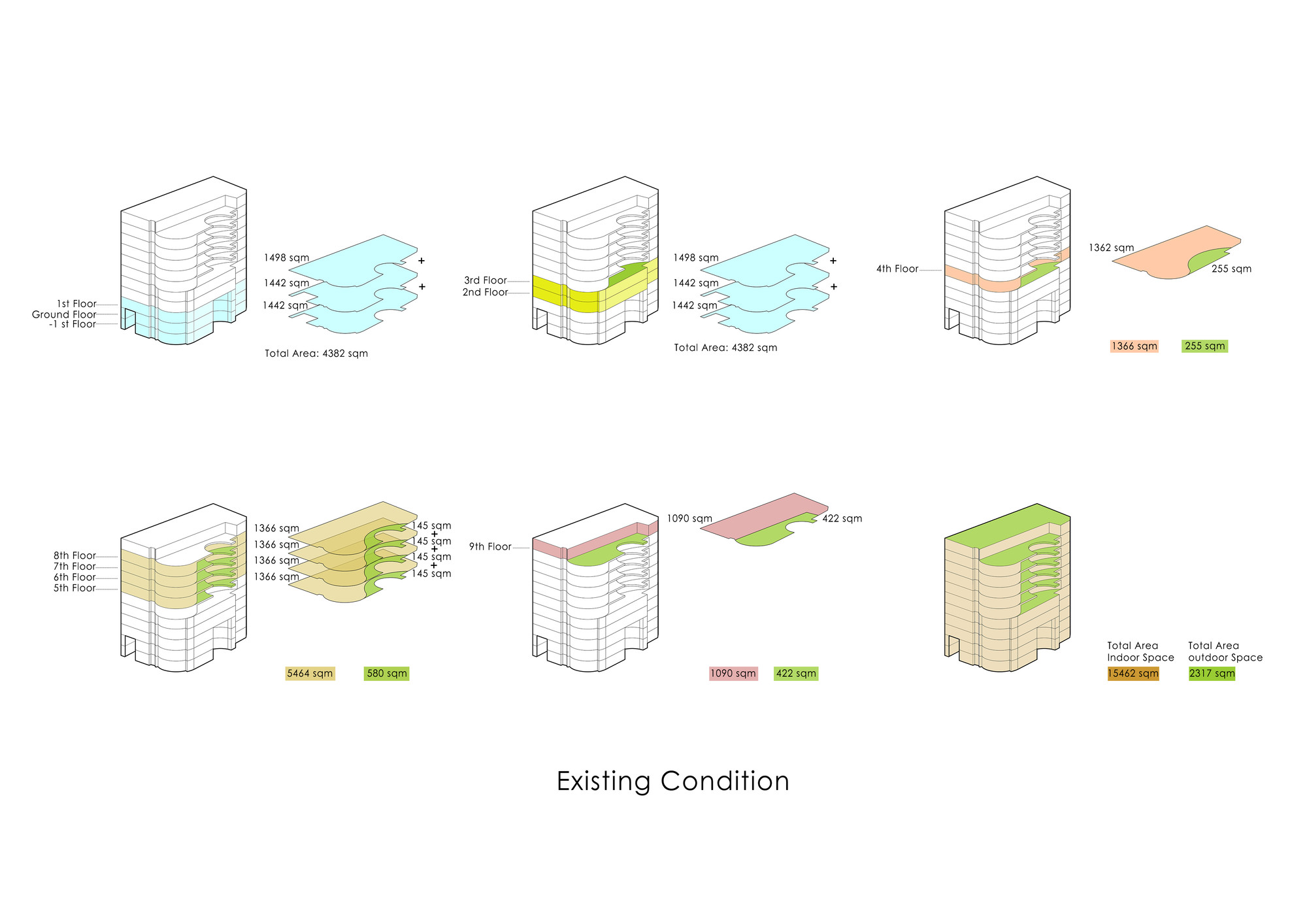
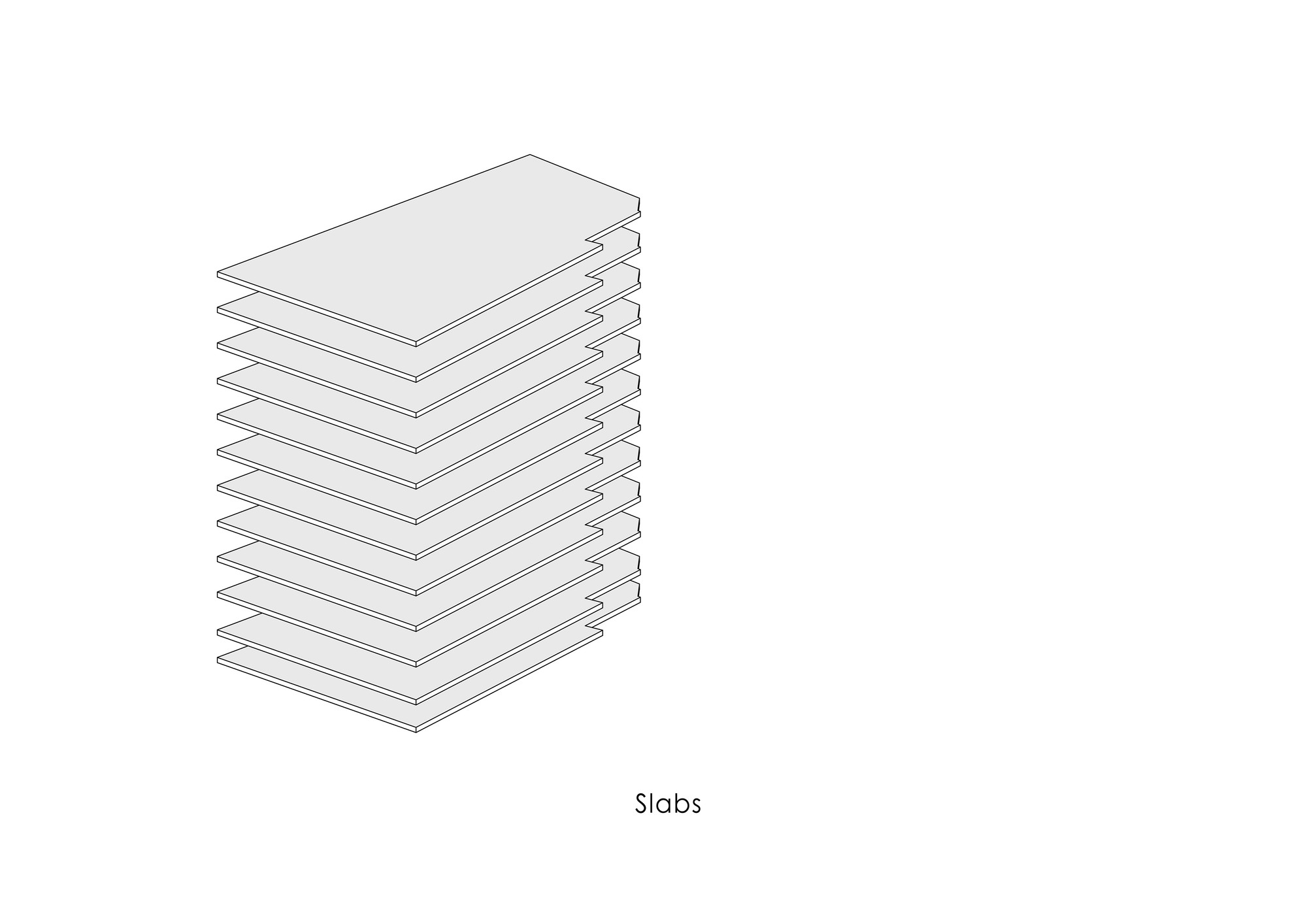
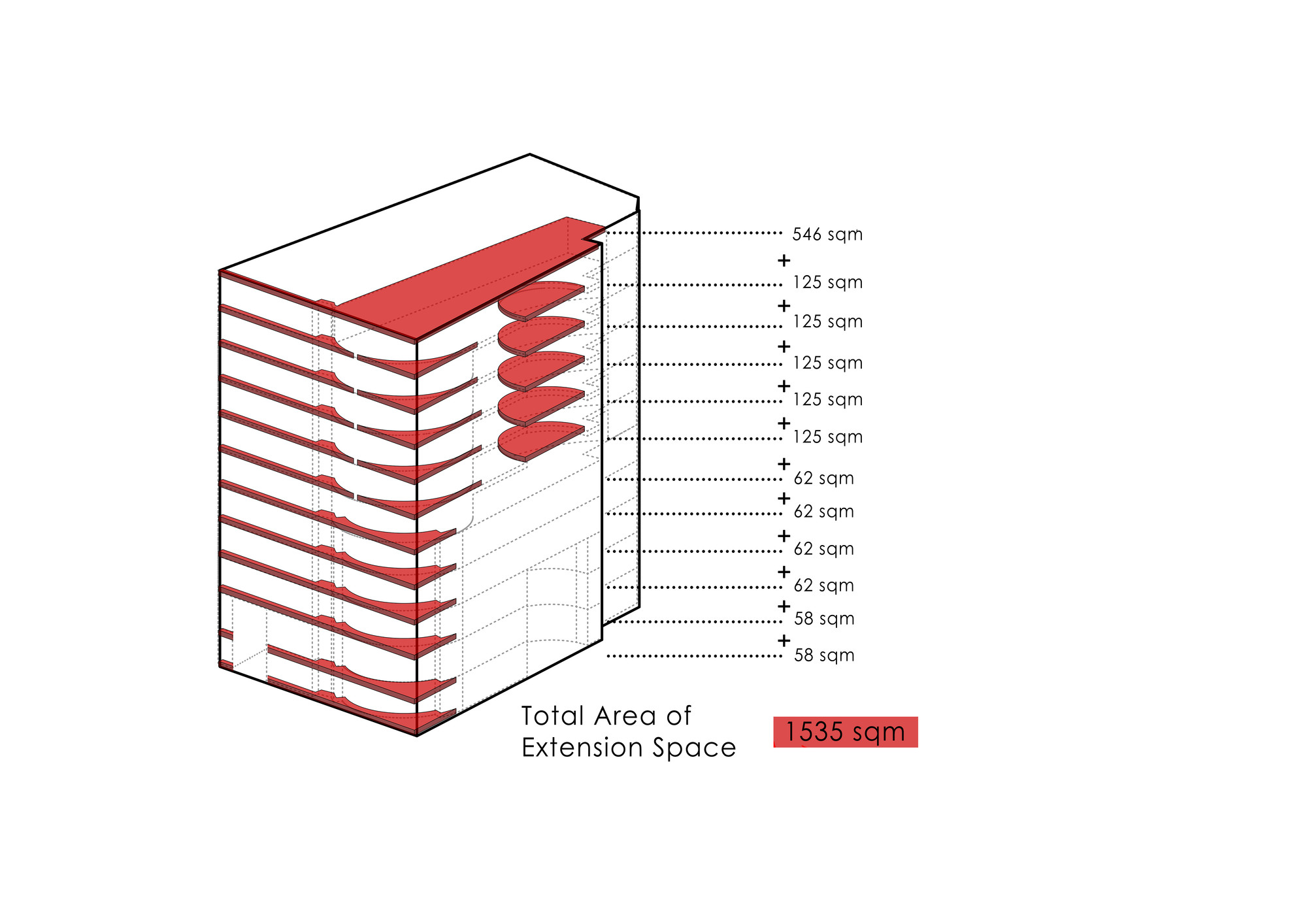
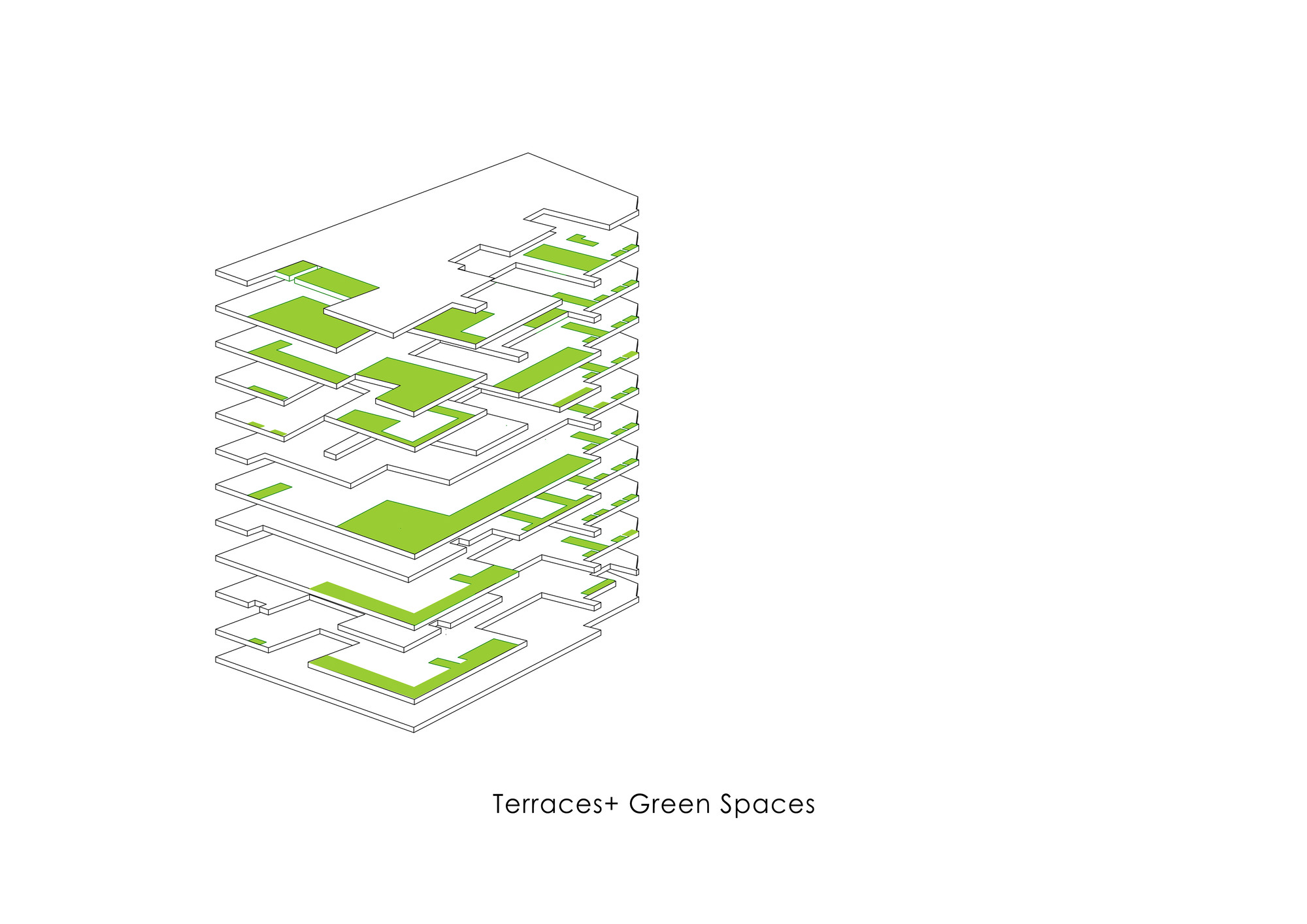
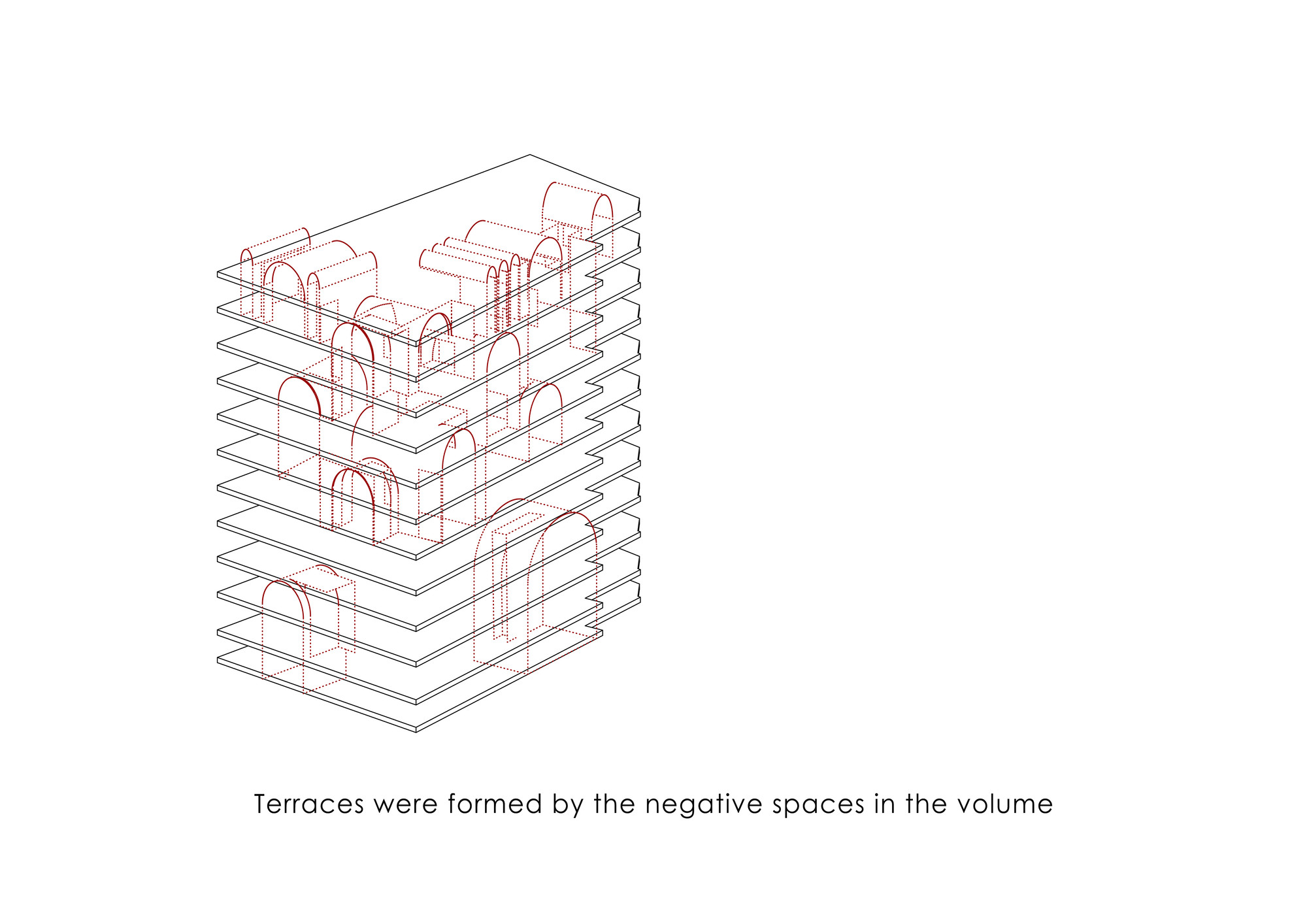
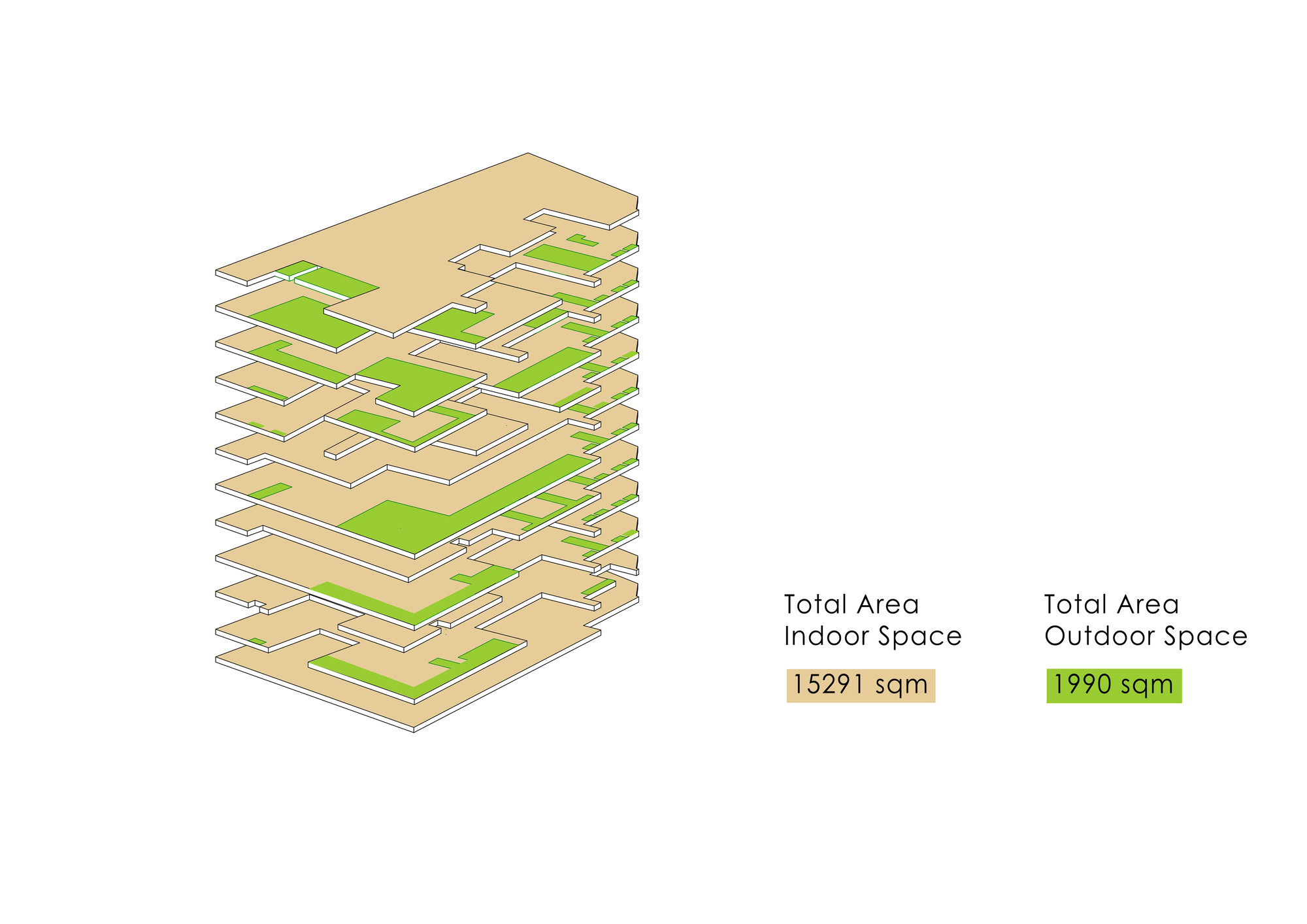
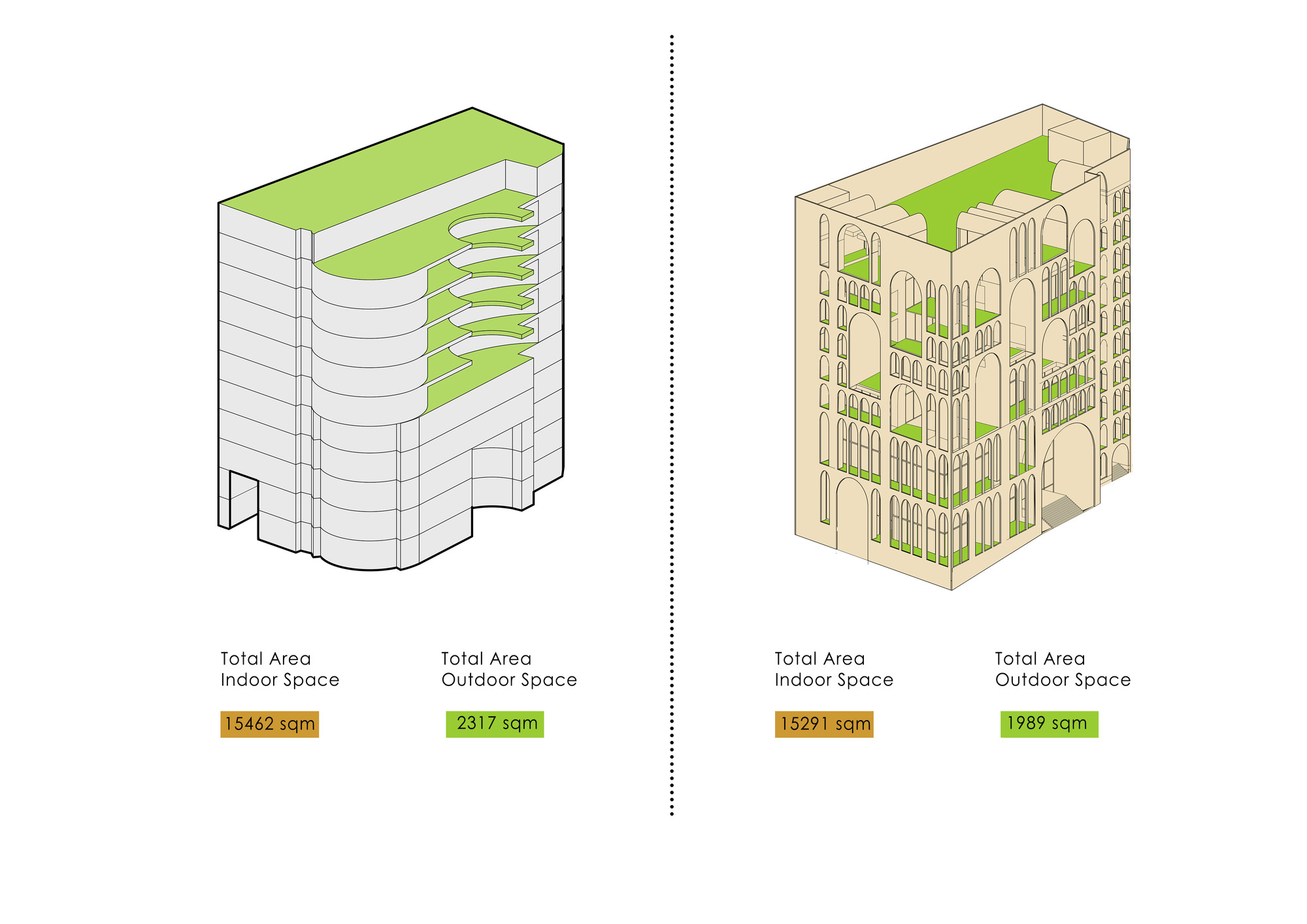
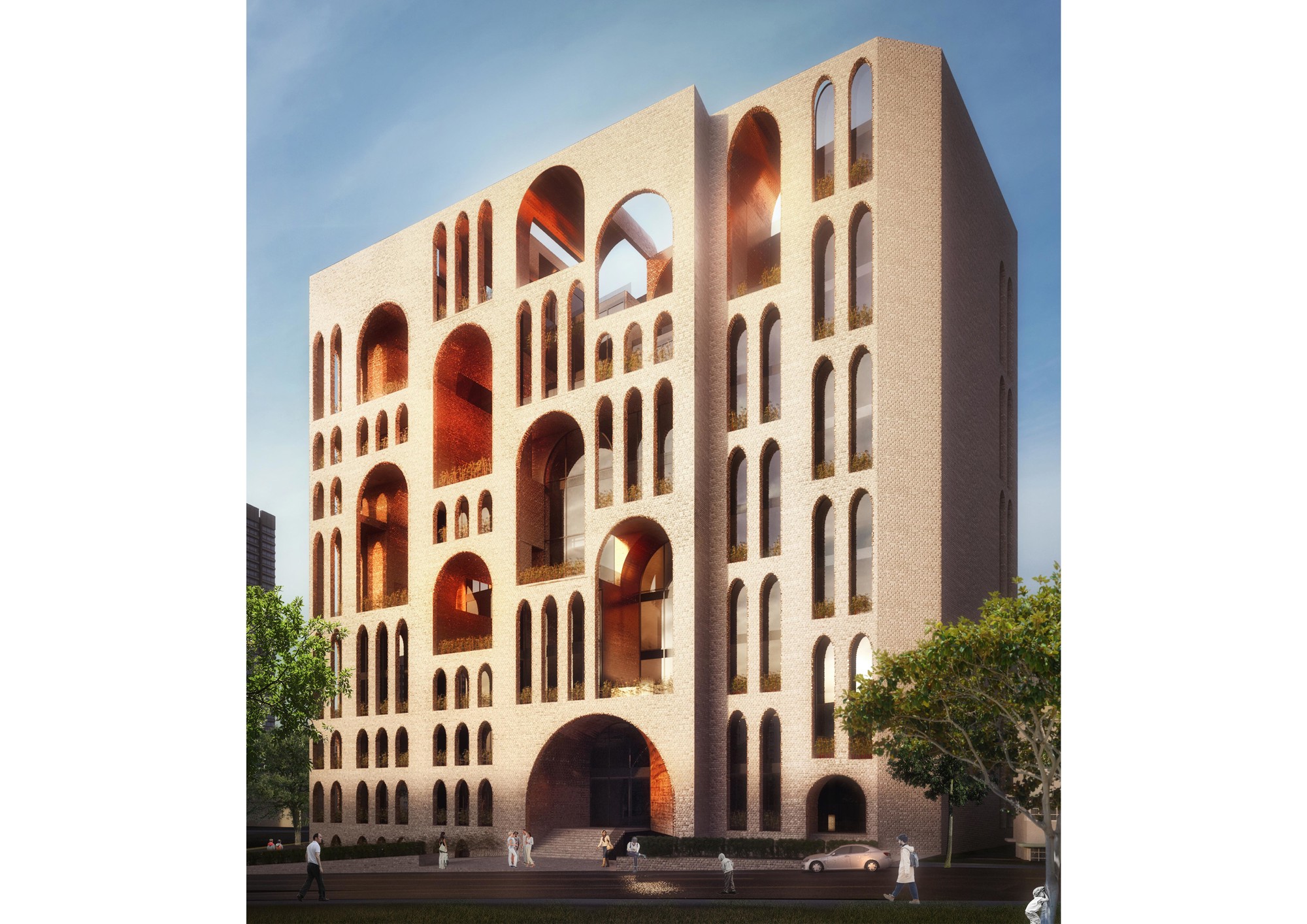
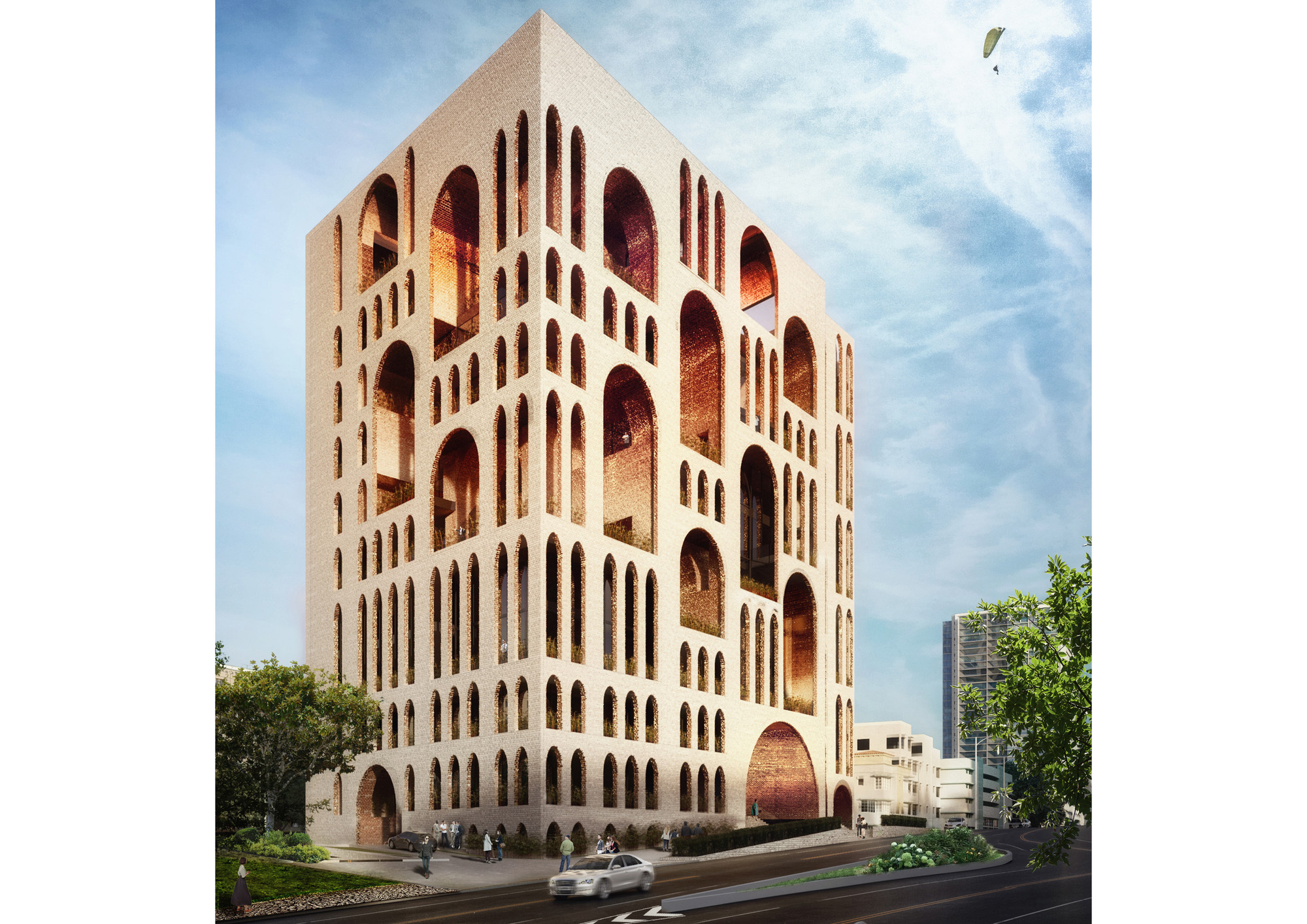
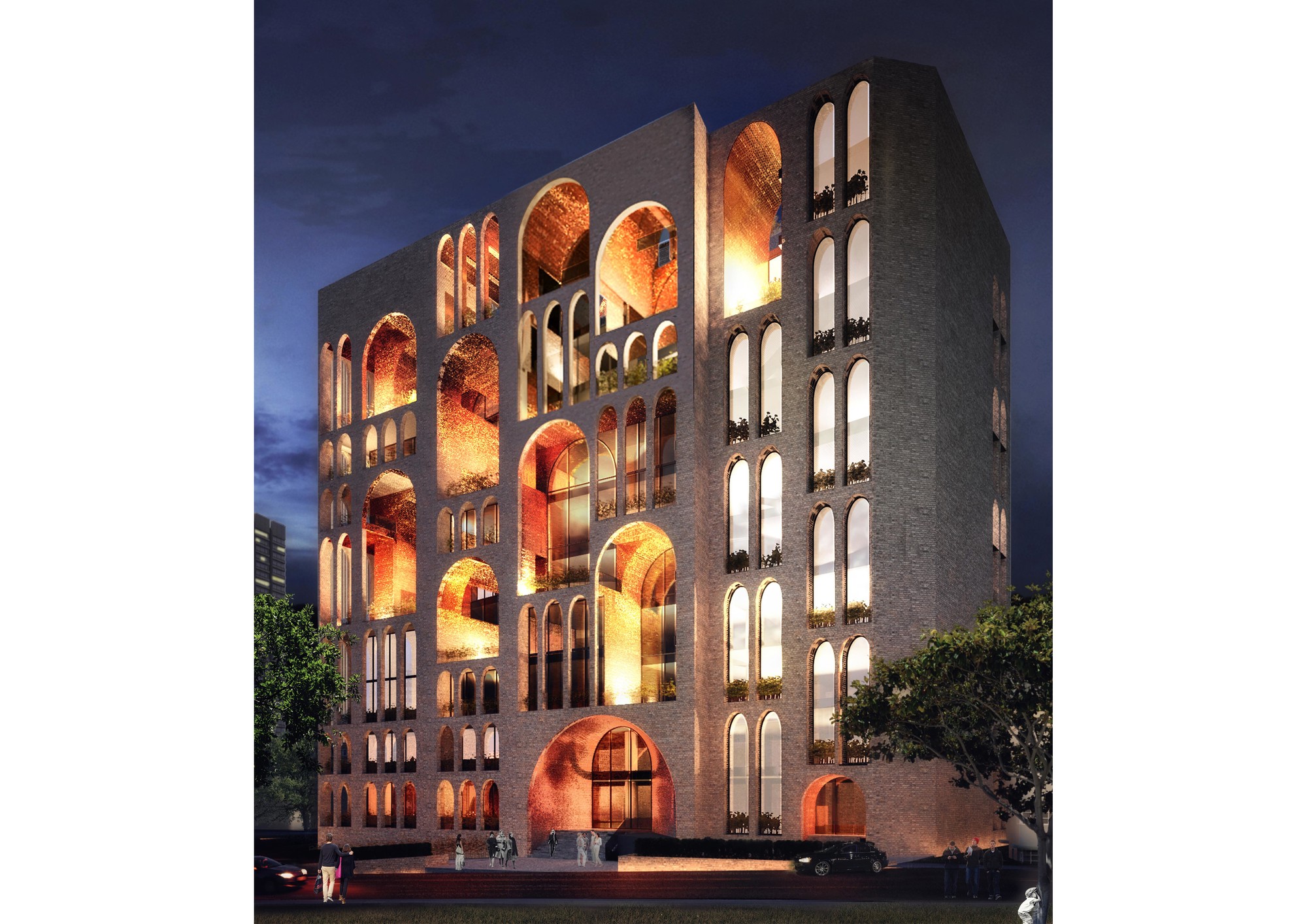
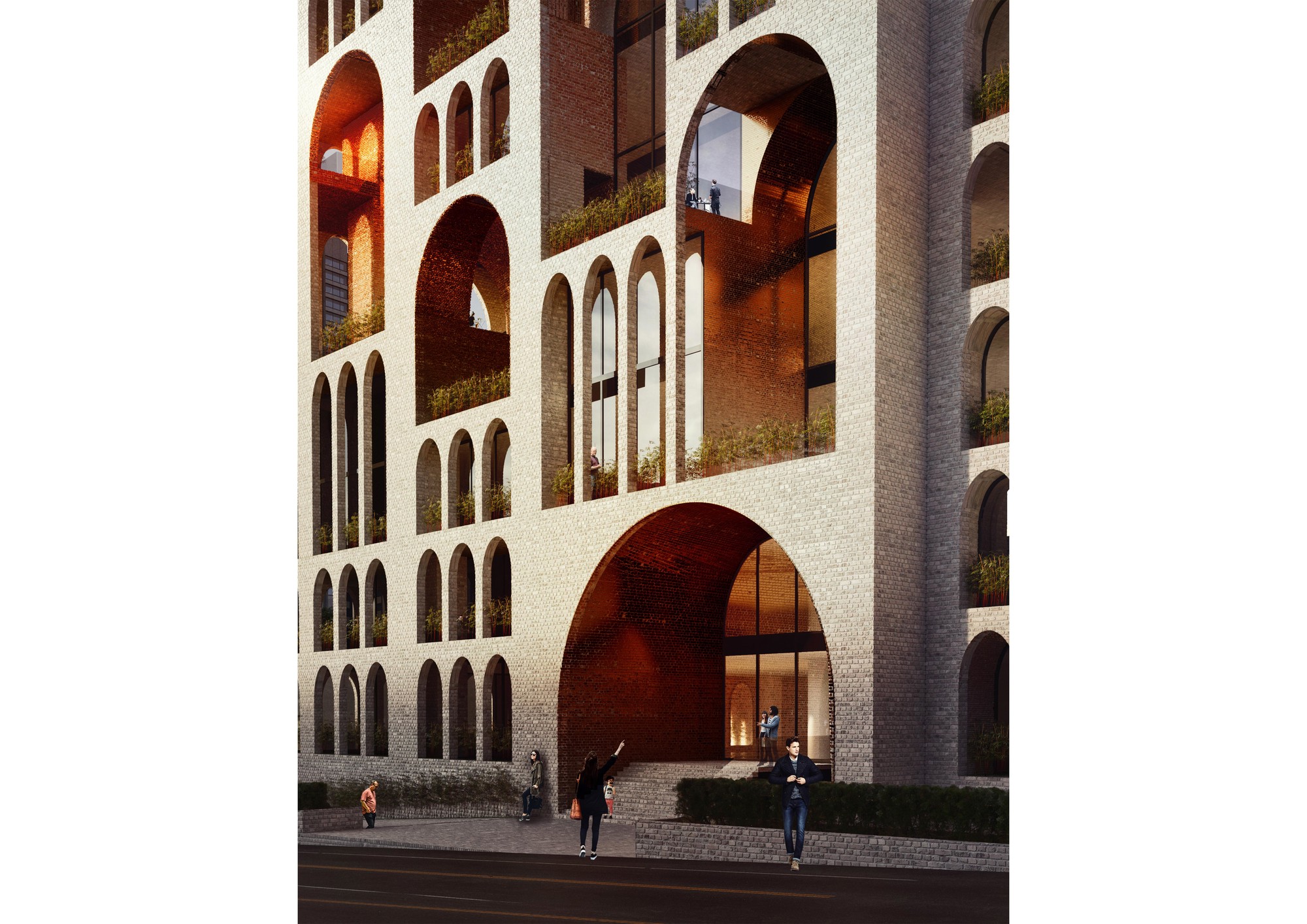
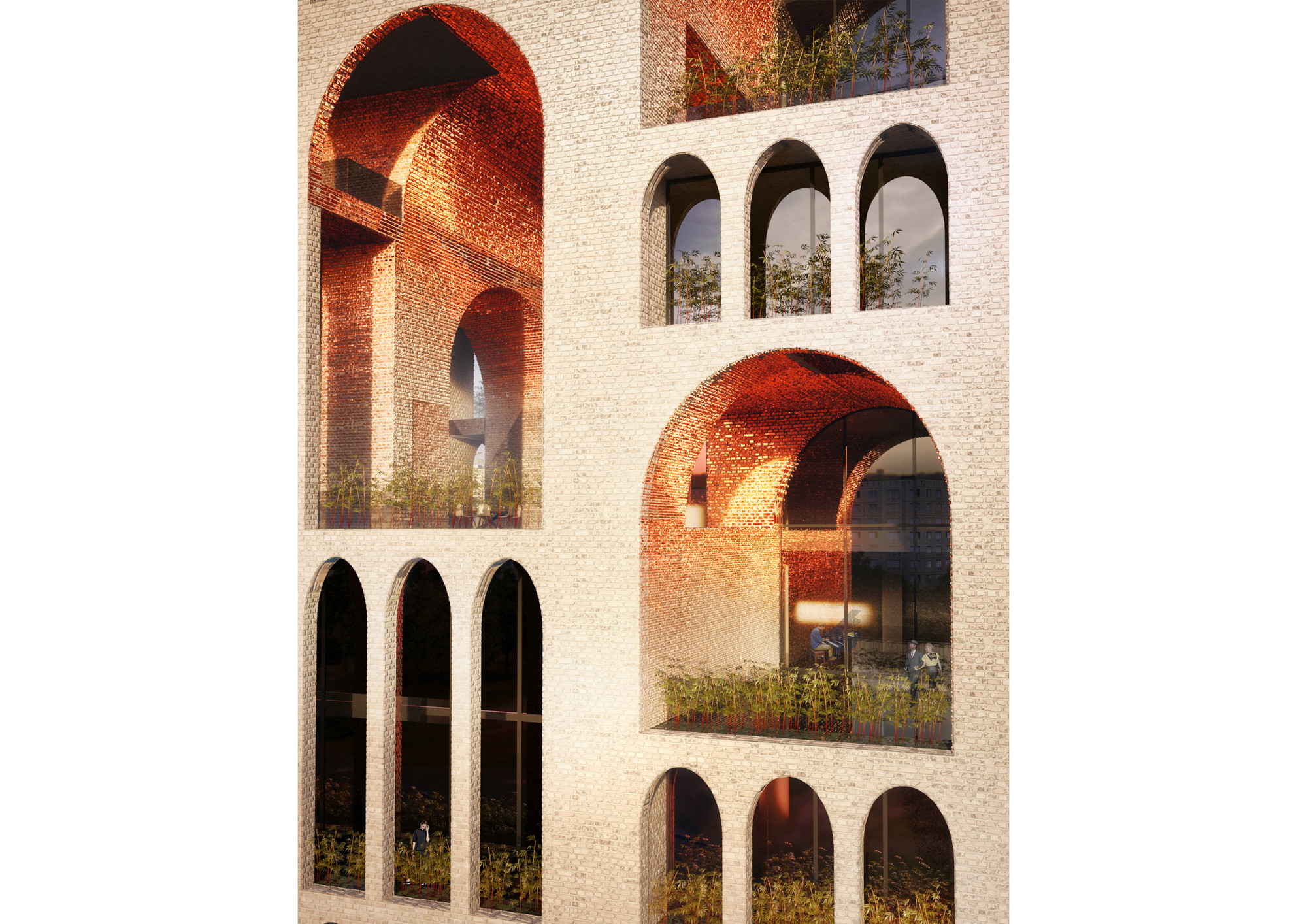
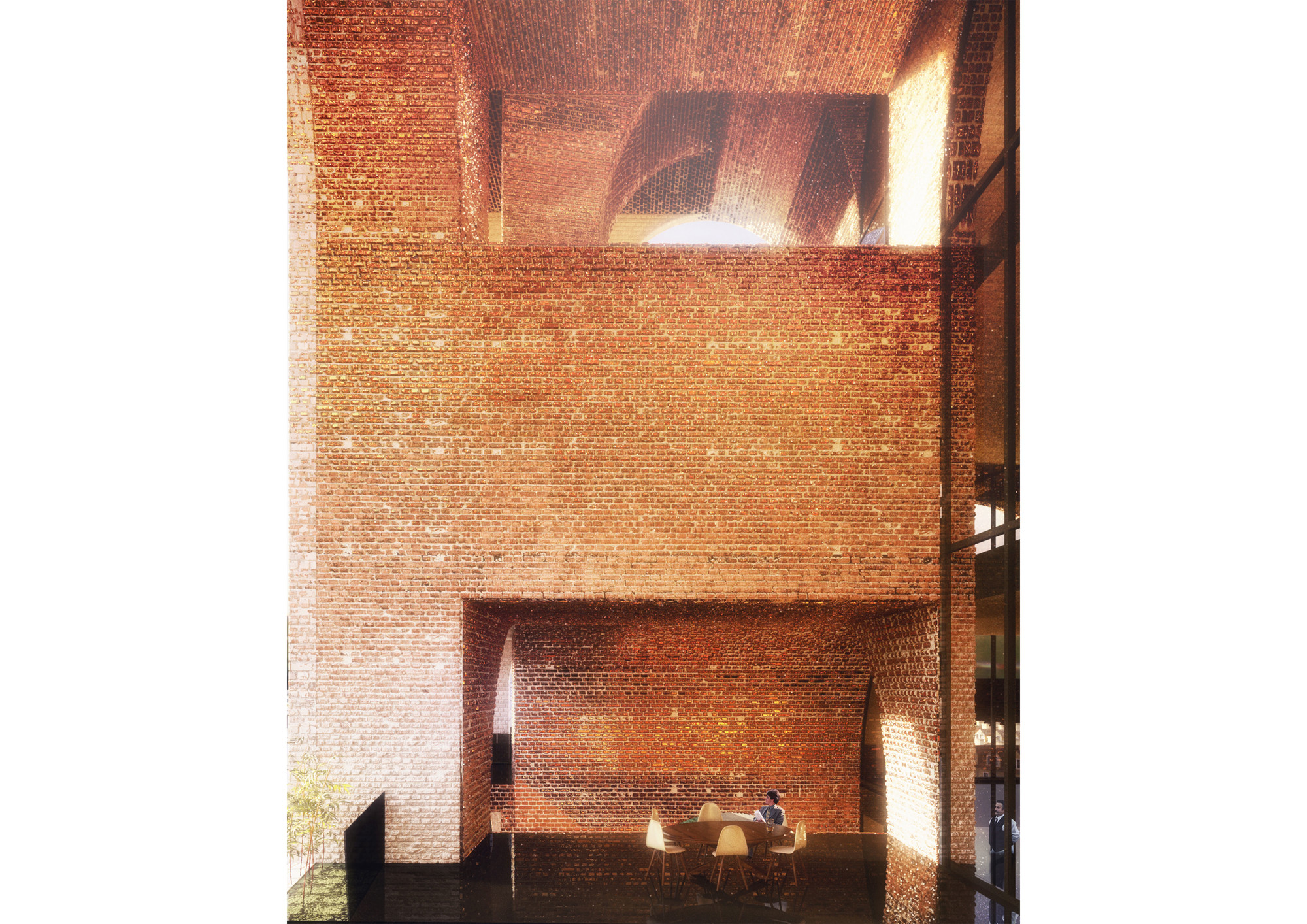
Bakery Multifunctional Project is a redesign of a building based on a pre-existing structural framework. The initial goal was to create a multifunctional space with various restaurants distributed across different floors. Given the constraints of the project and the pre-designed structure, the design team focused on maximizing the spatial envelope and introducing large voids within the building’s volume. These voids were envisioned as interconnected terraces, providing visual continuity throughout the project. The facade of the project was conceived as a structural shell, complementing the existing framework and enabling the creation of large atriums within the building’s body. The concept of double-layered terraces addresses a critical need in Tehran’s urban context. In a public-oriented function like this, terraces defined at an urban scale act as intermediaries between the city and the building’s interior. This approach transforms the building mass from a closed entity into a semi-open structure that shares its vertical activities with the city. In this configuration, the mass ceases to be a mere physical body, becoming a dynamic part of the urban fabric. The human activities within these terrace spaces bring a vibrant, interactive quality to the city. These terraces integrate people and their activities into the urban environment, creating a dynamic relationship rarely found in Tehran. The architectural form draws inspiration from arched structures, which function both as structural elements and as semi-open spaces. These arches are designed as interconnected elements, forming a porous, cohesive mass where individuals can interact with each other while maintaining openness toward the city. To enhance this concept, the materiality of the terraces was defined using glazed copper-colored bricks, chosen for their reflective qualities. These materials reflect the activities within the terraces, creating a dynamic interplay between the interior and the city’s observers. This interaction, emphasized by the choice of materials, amplifies the relationship between the building and its urban surroundings.