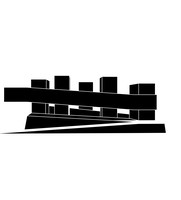
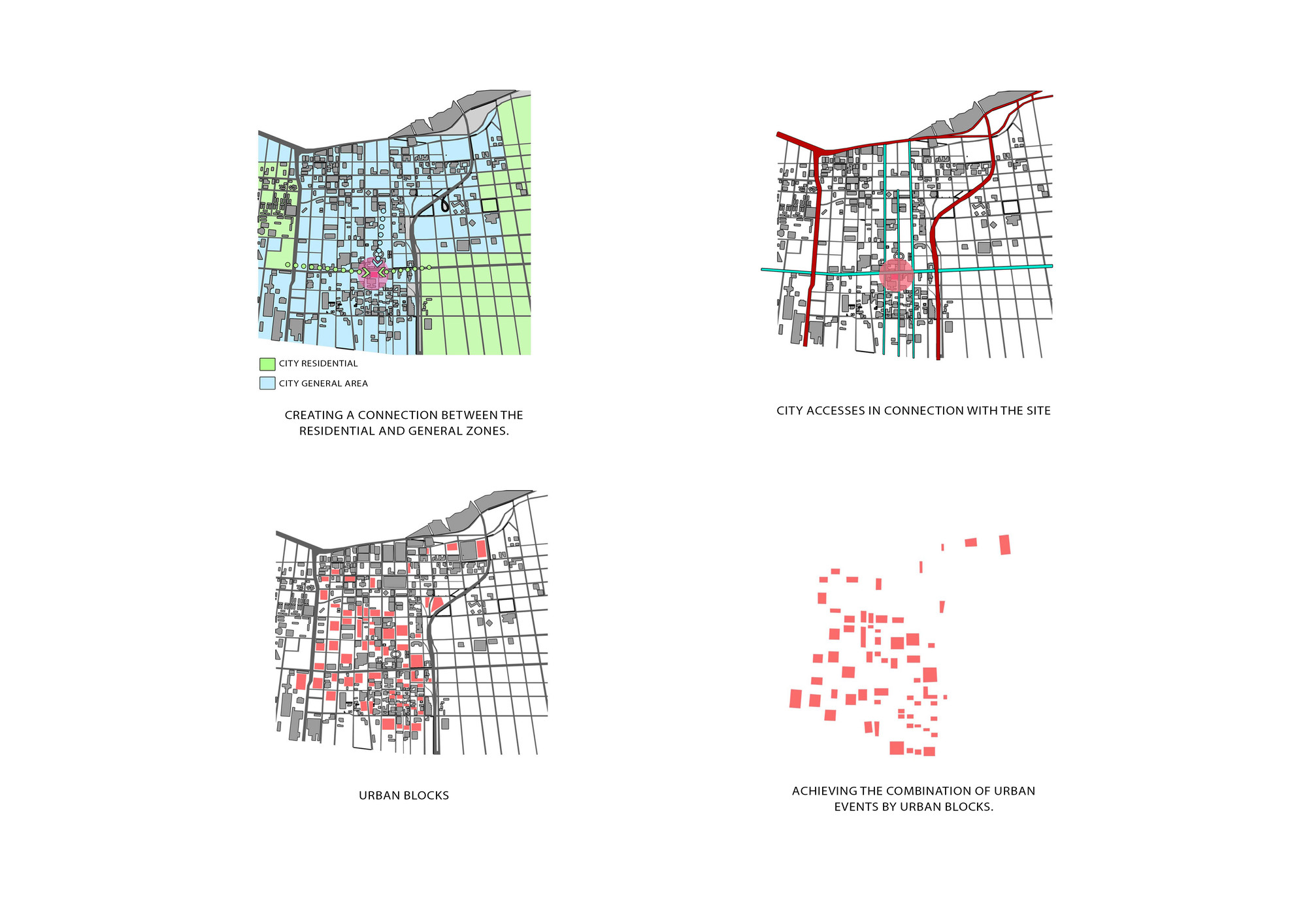
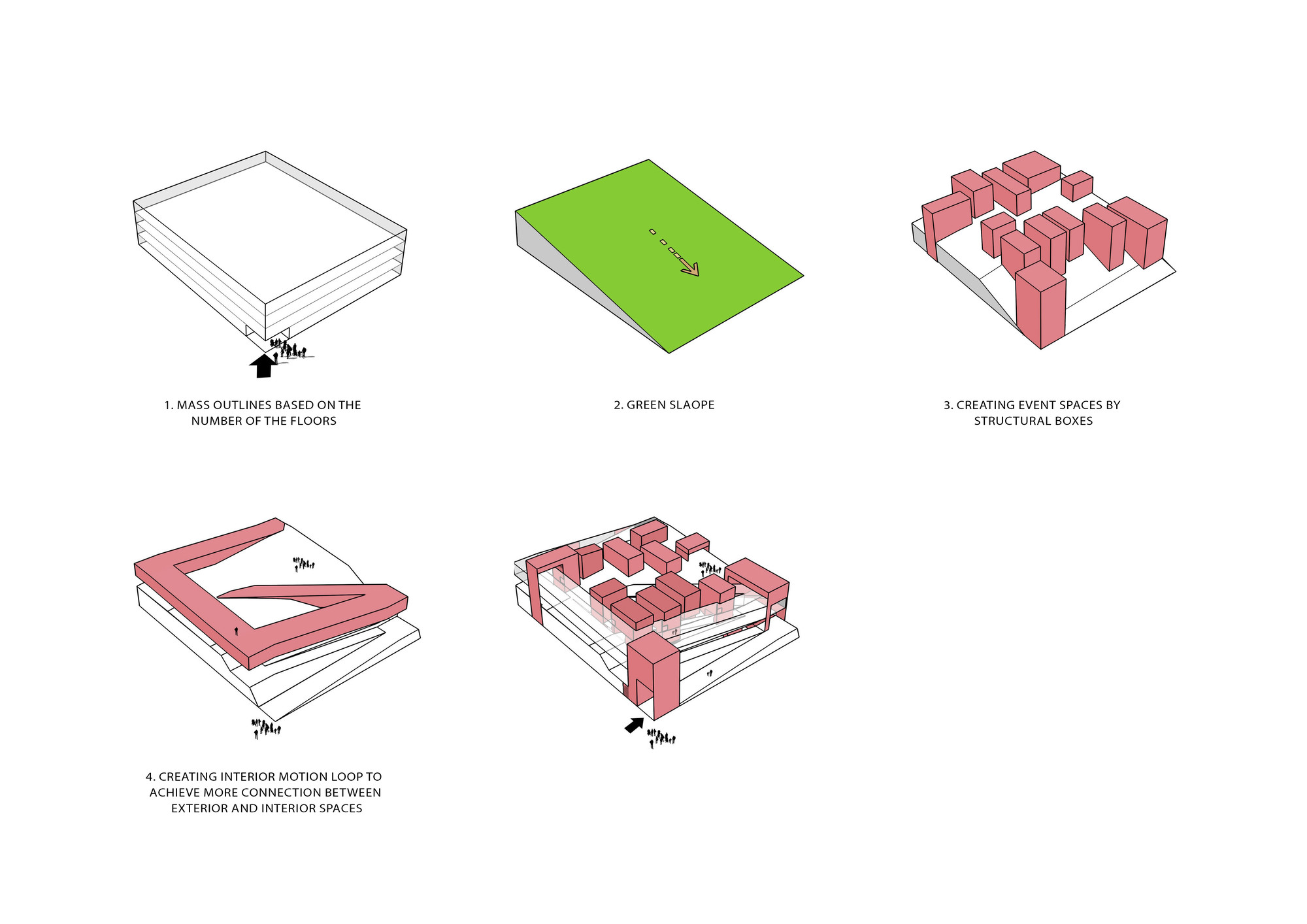
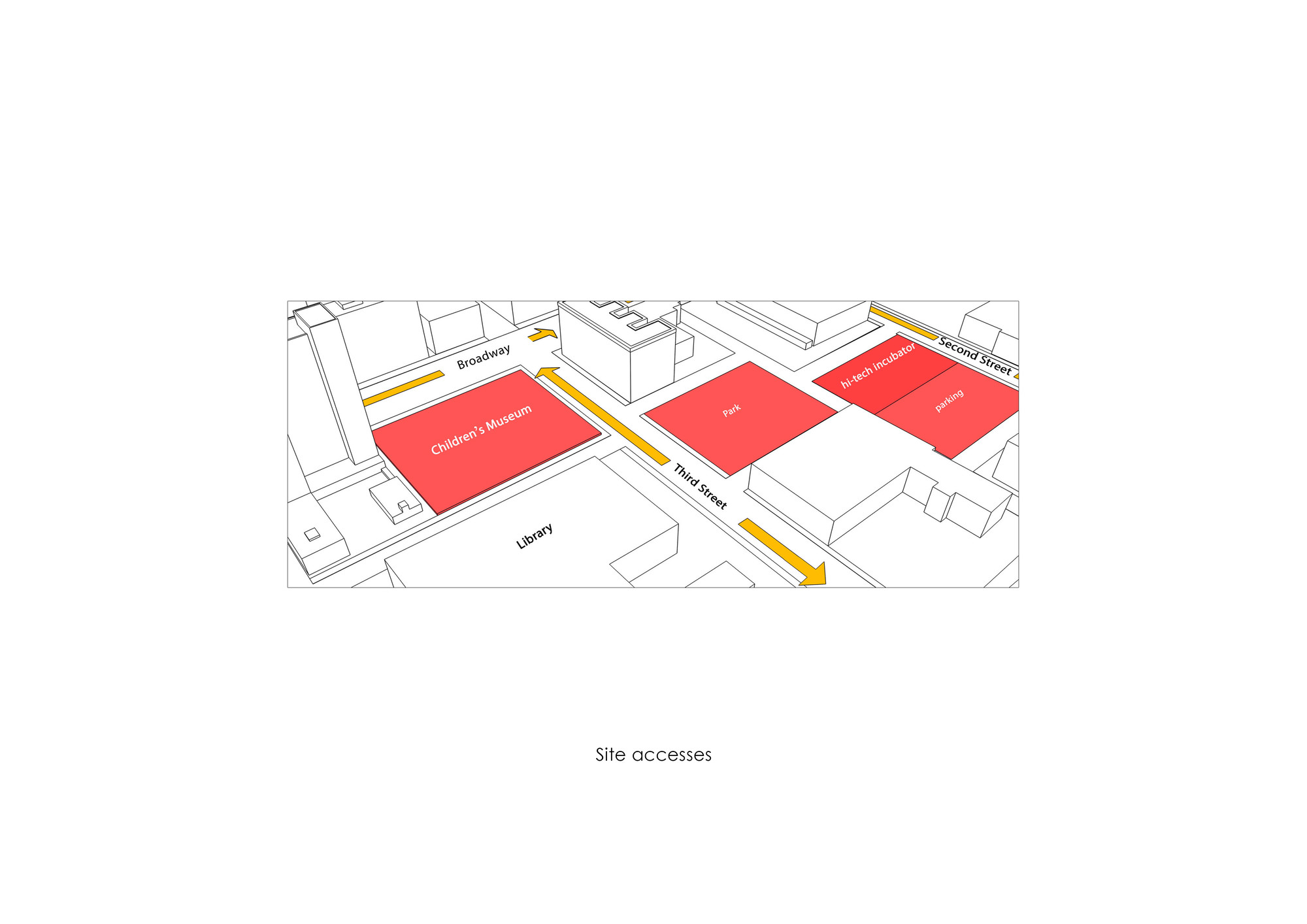
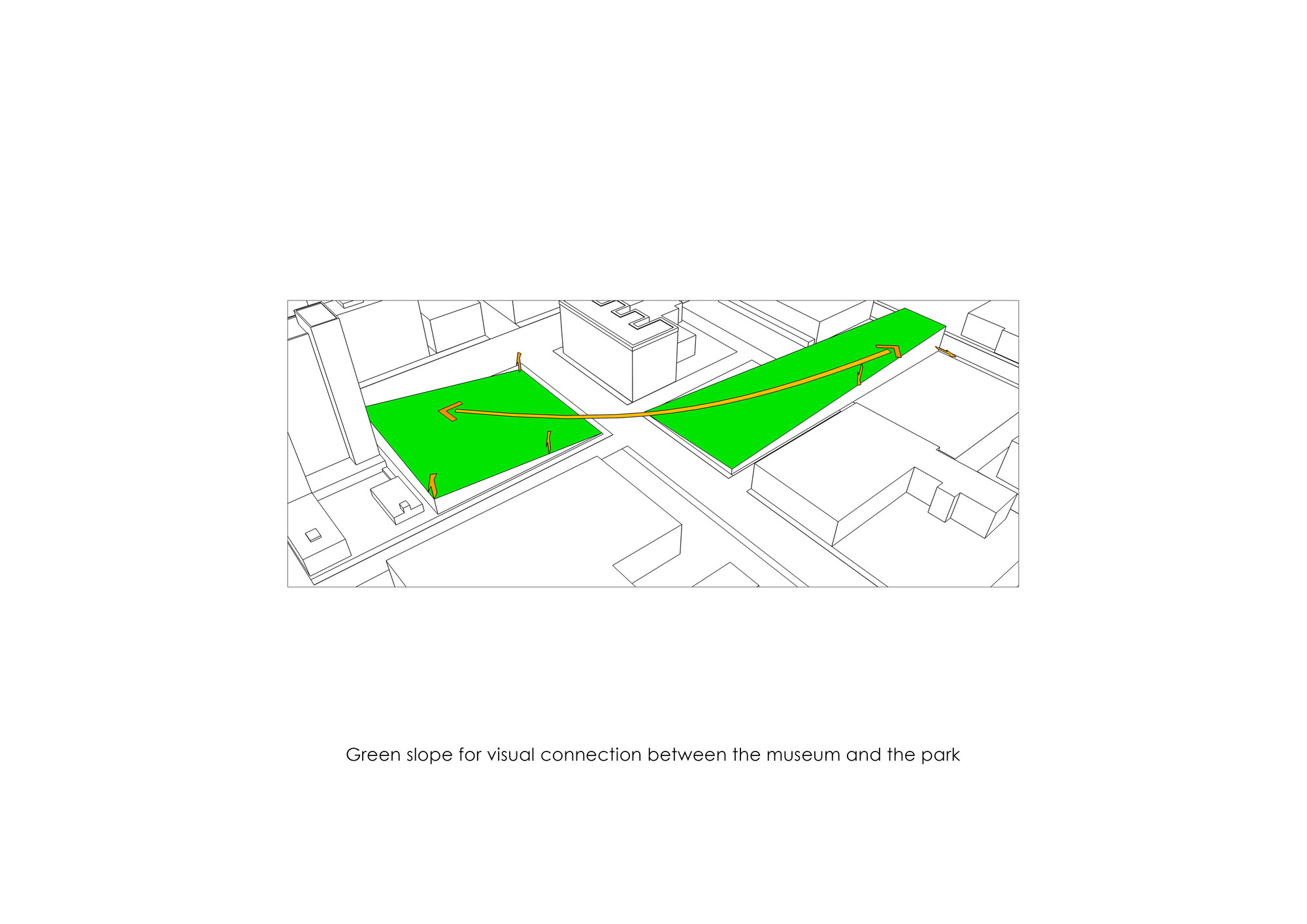
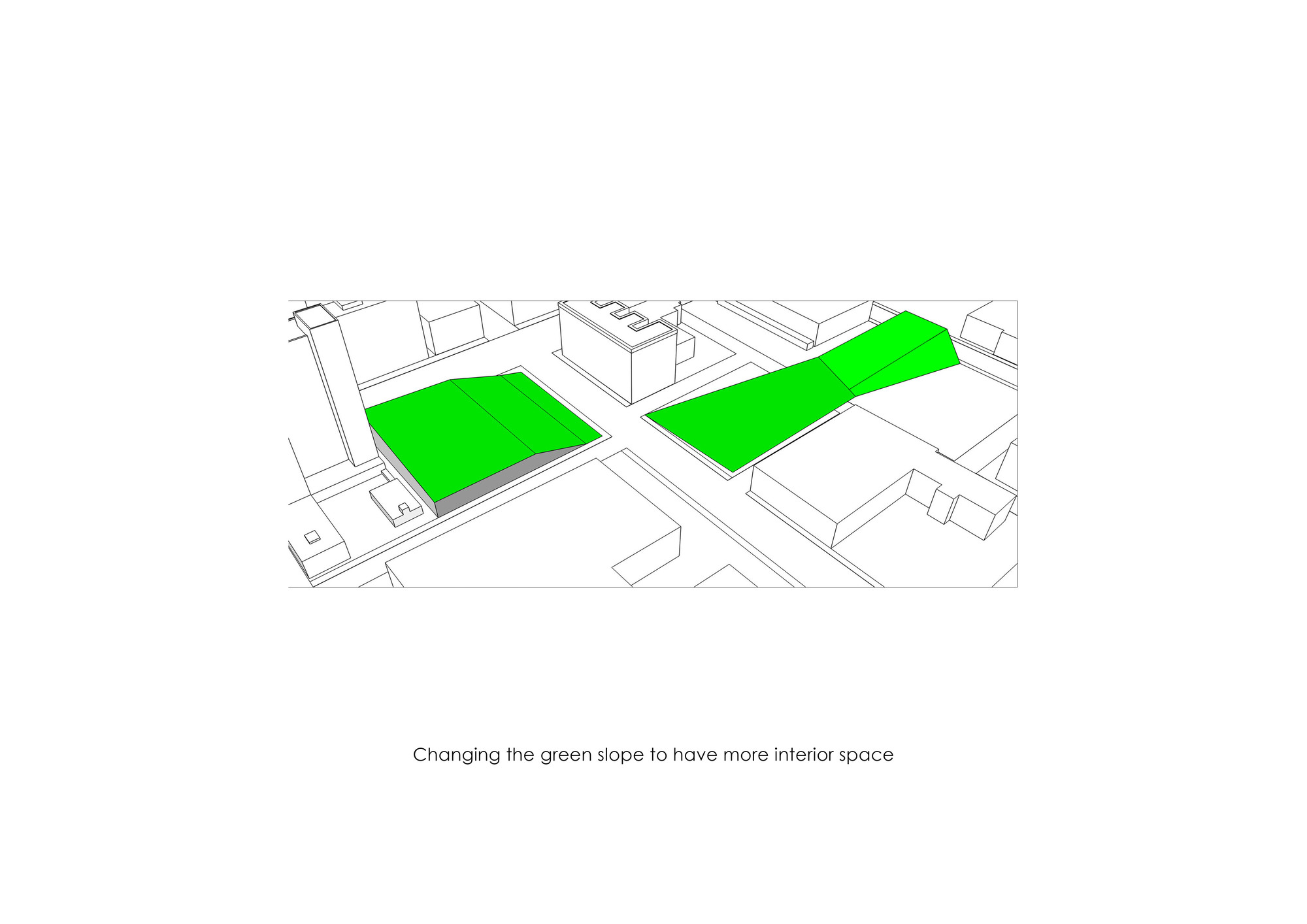
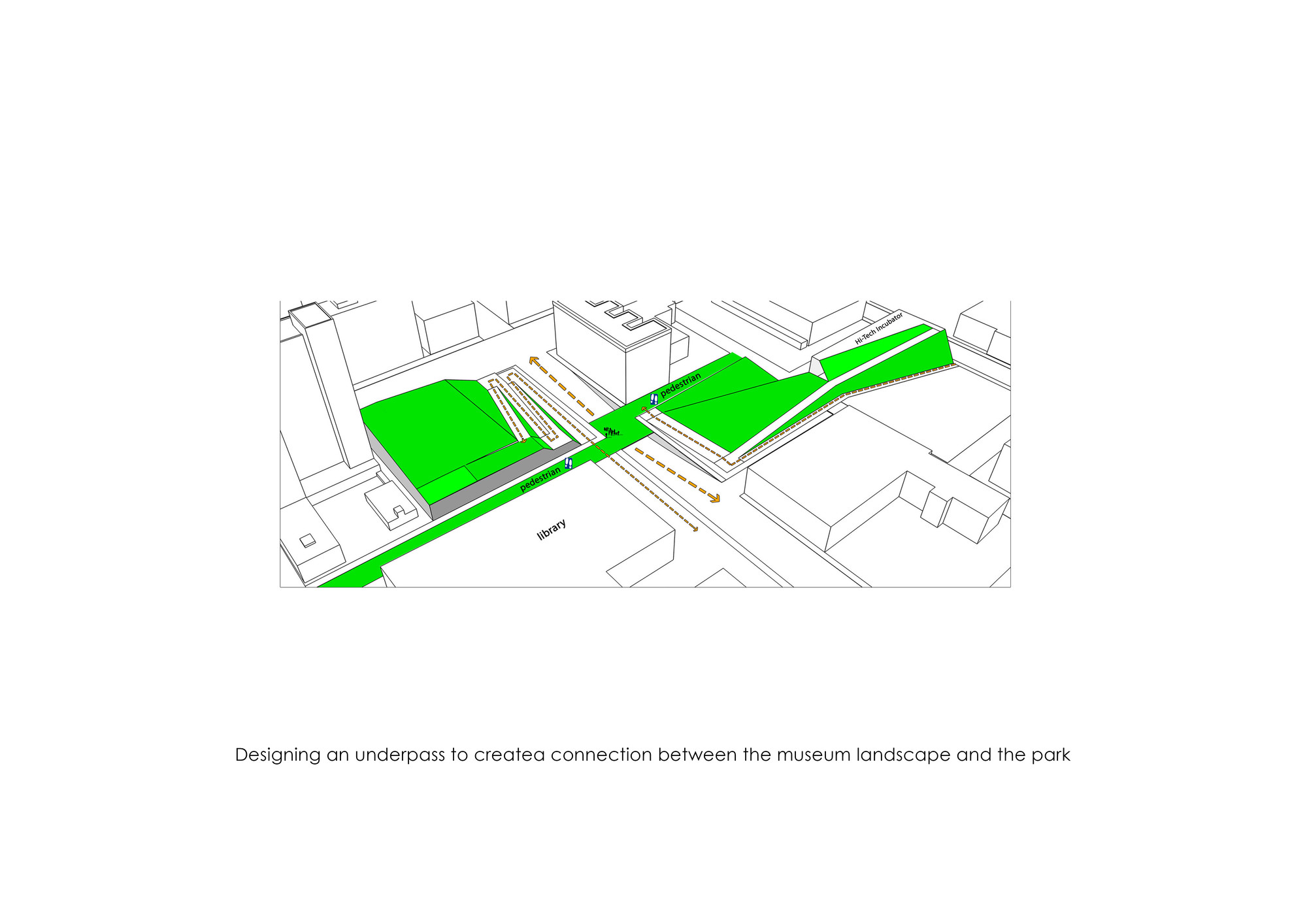
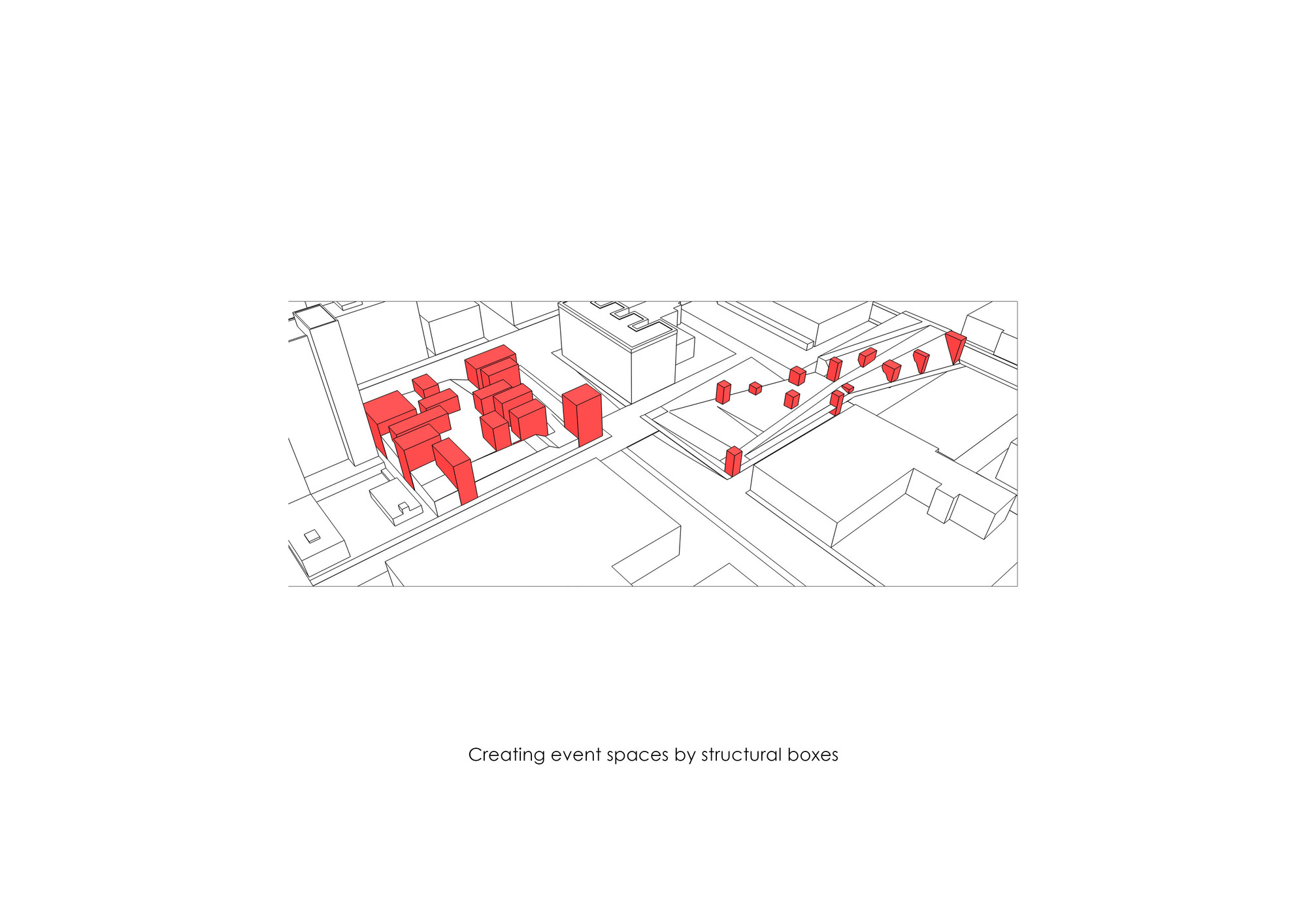
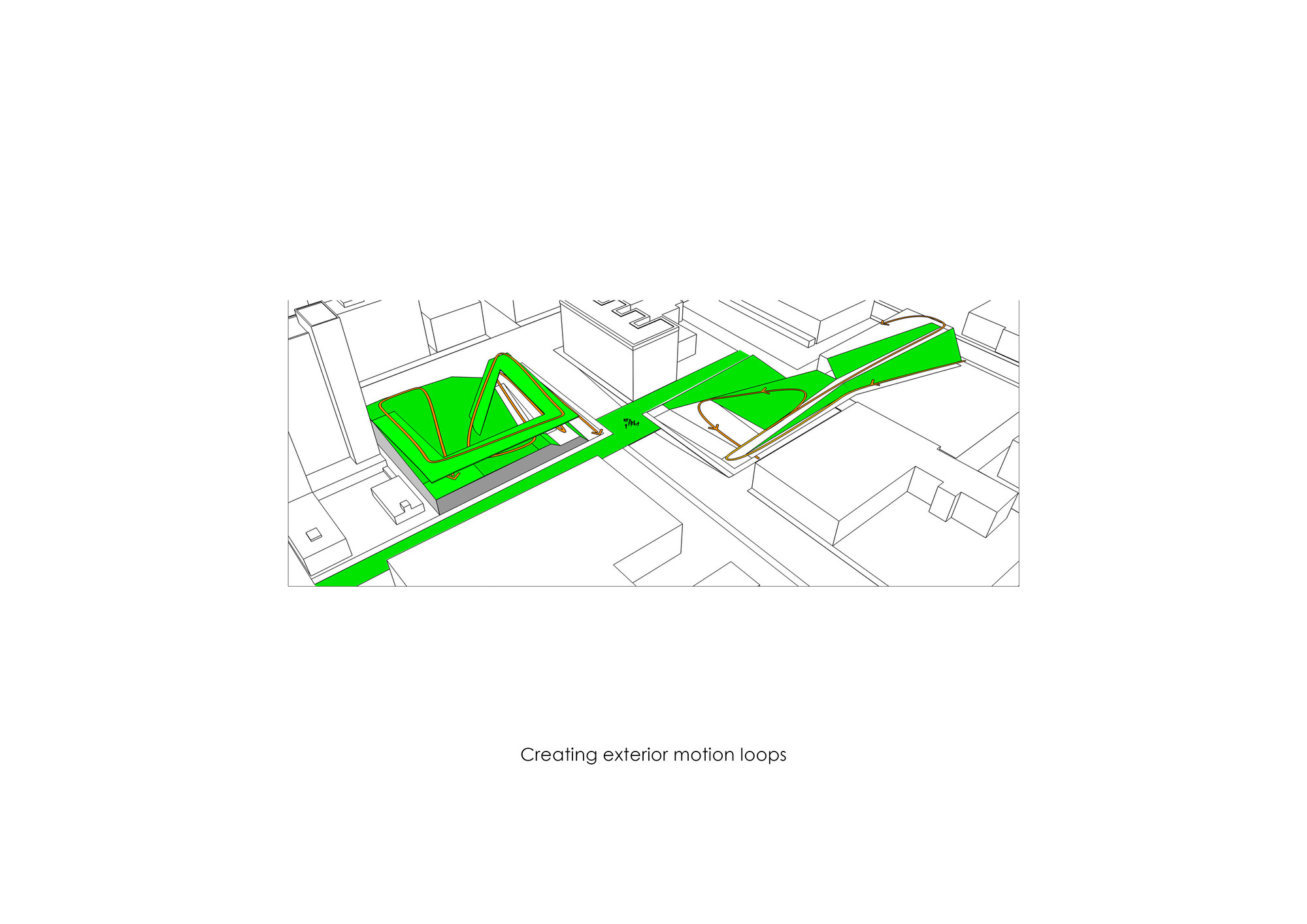
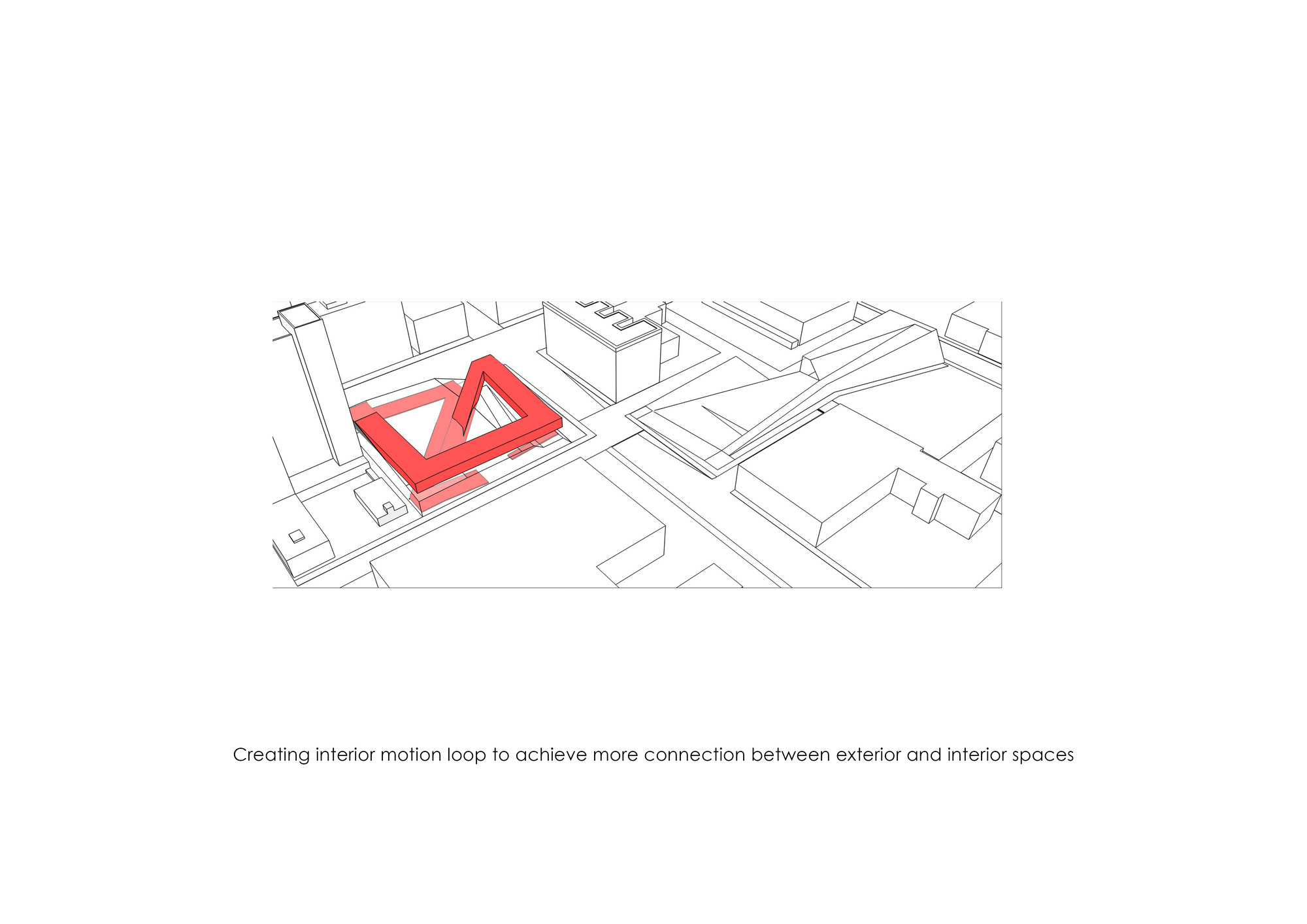
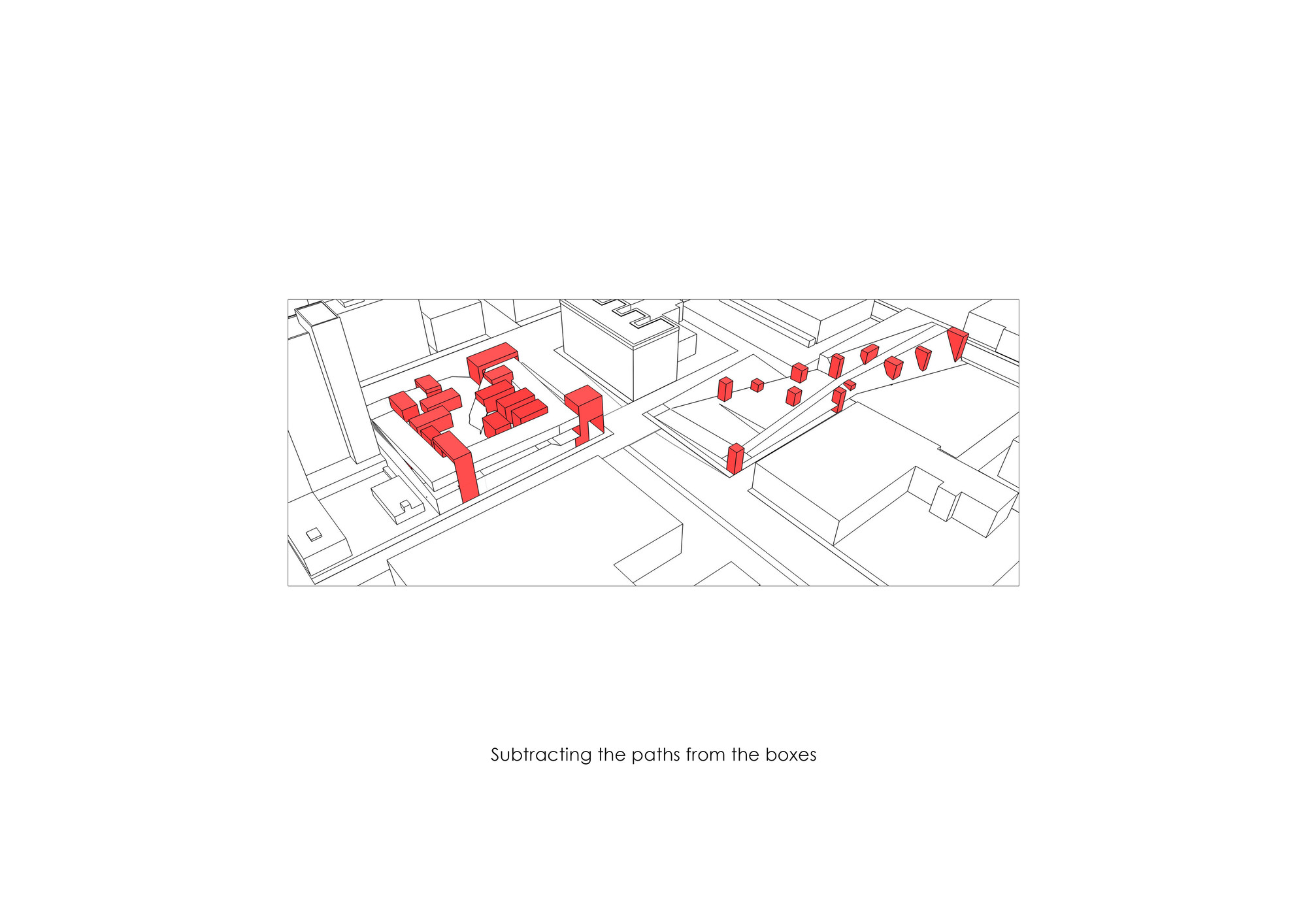
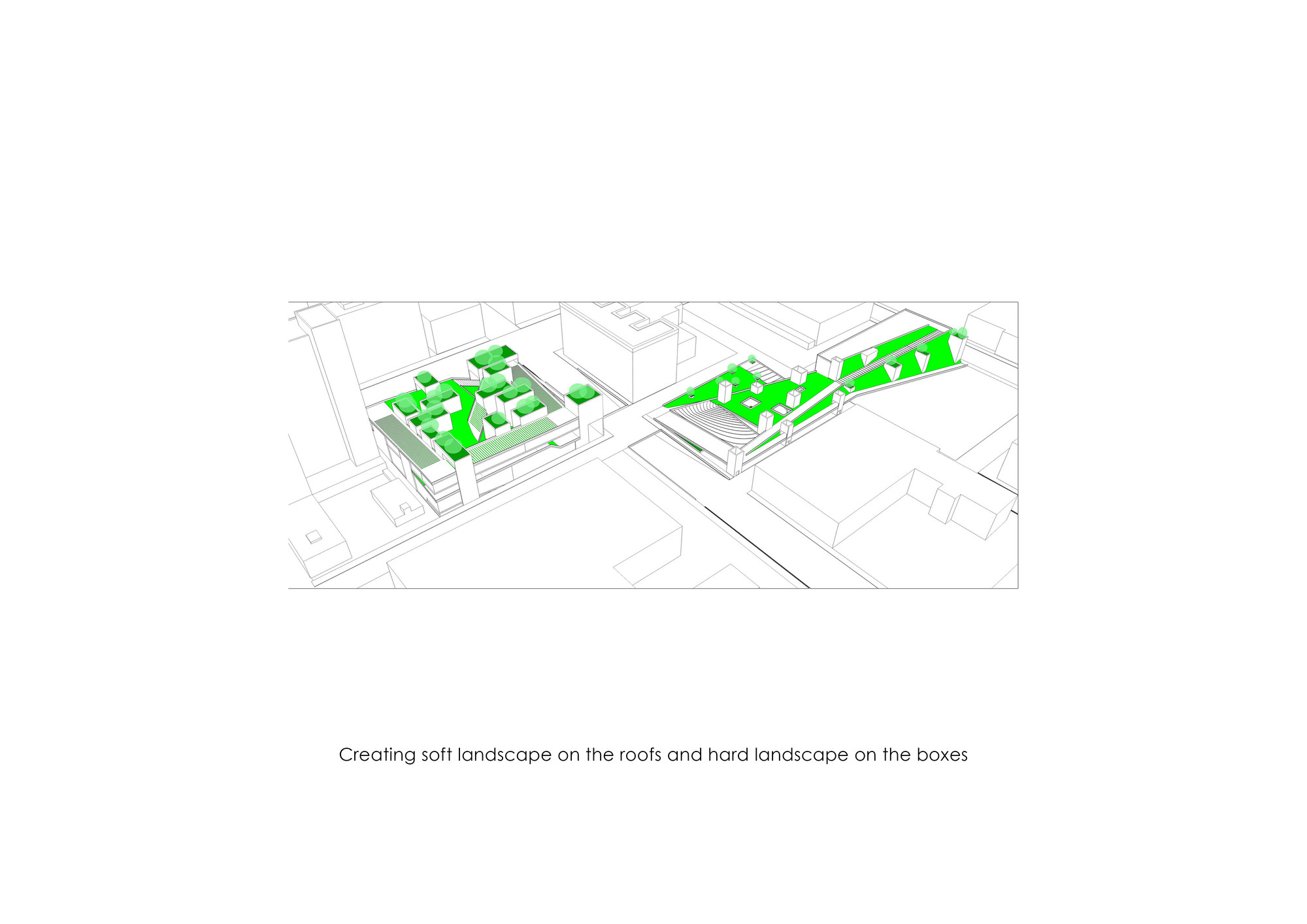
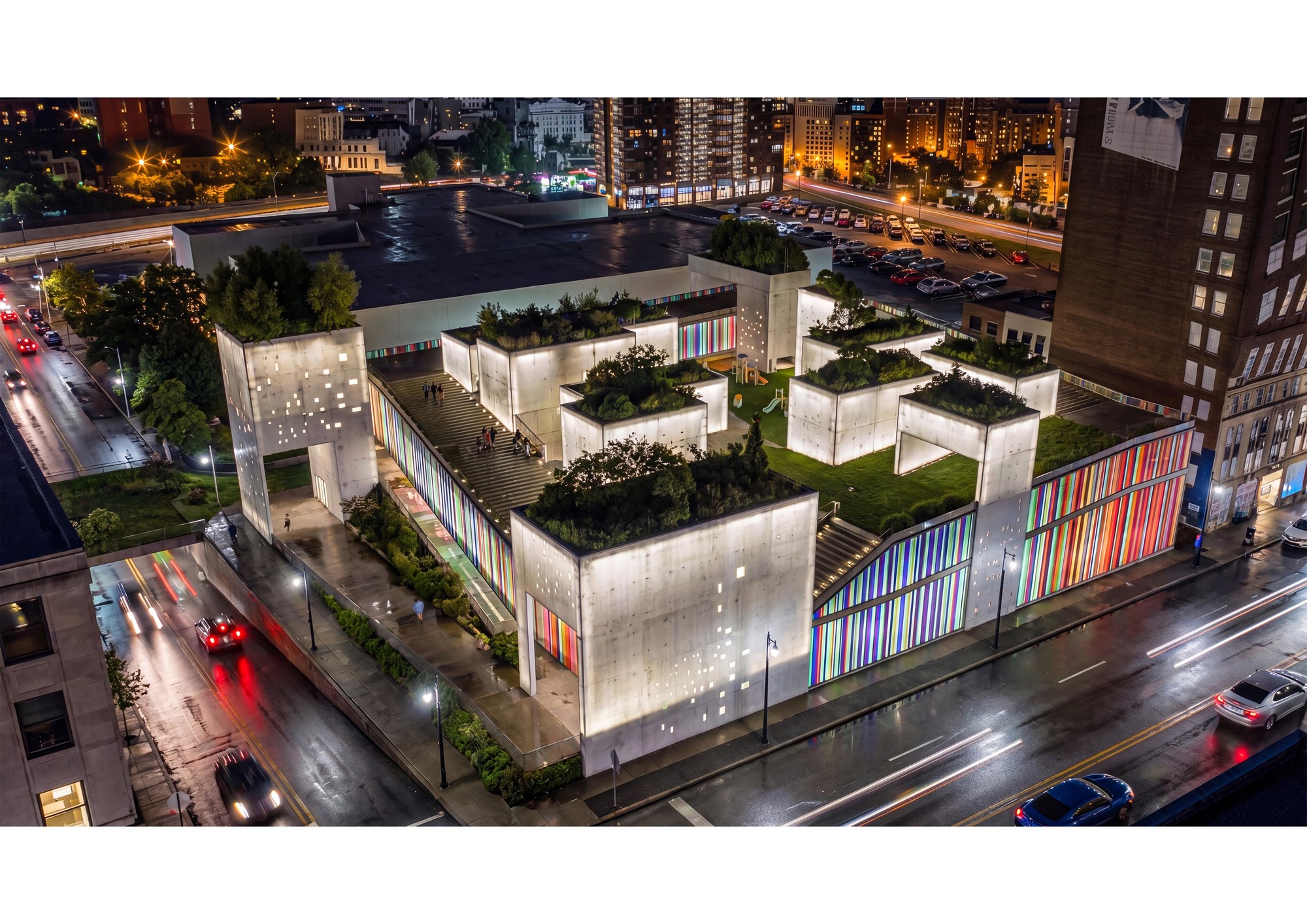
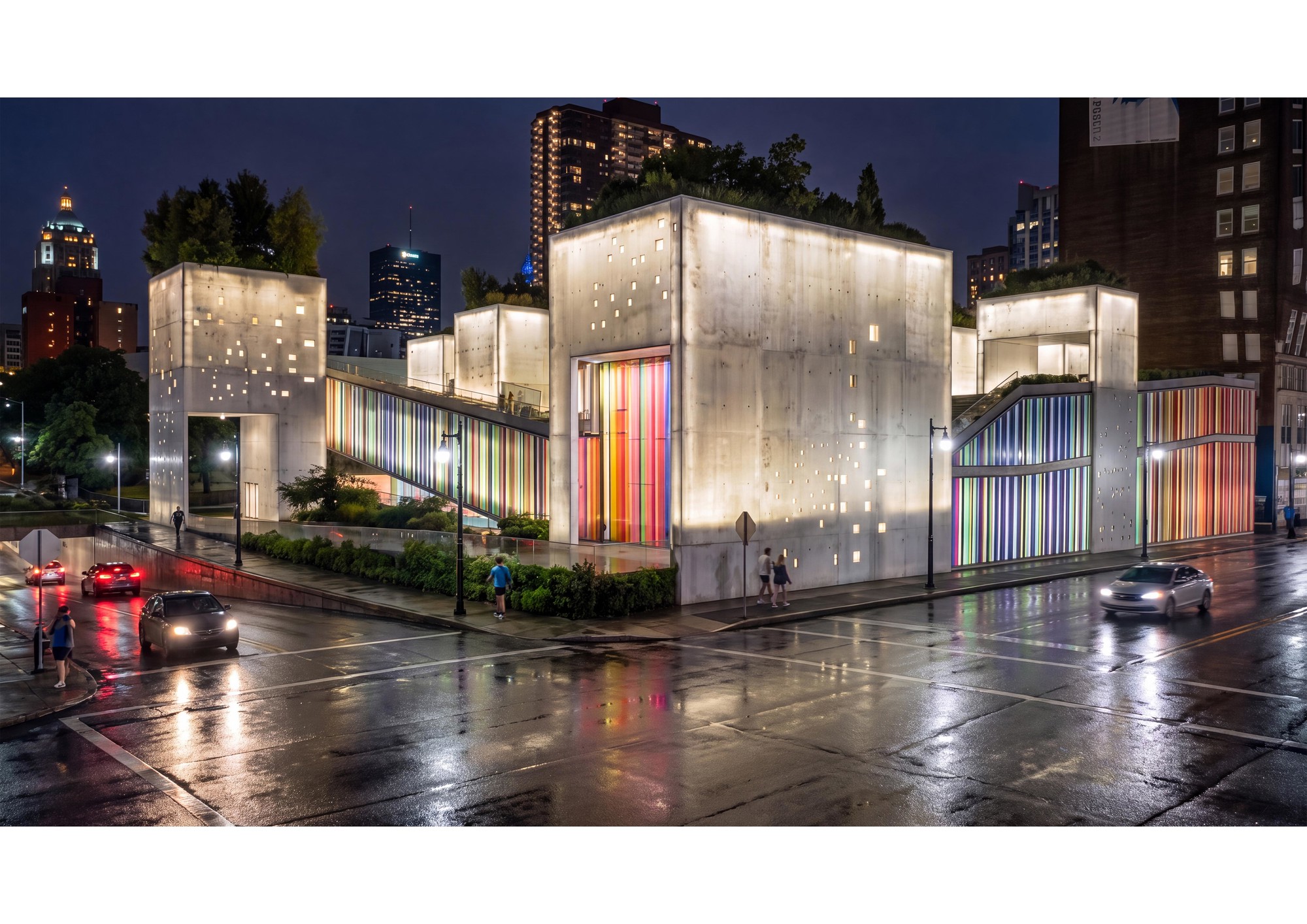
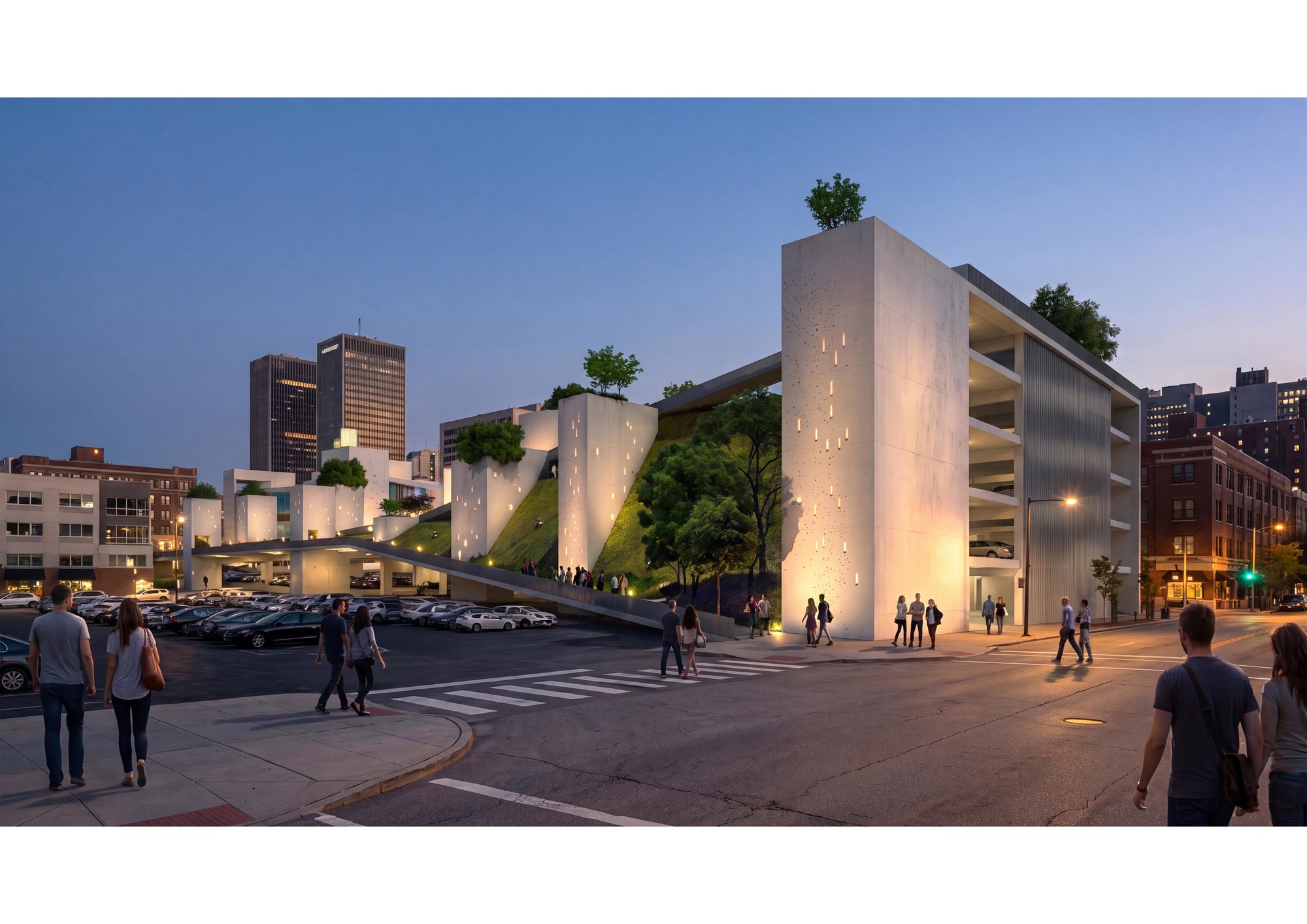
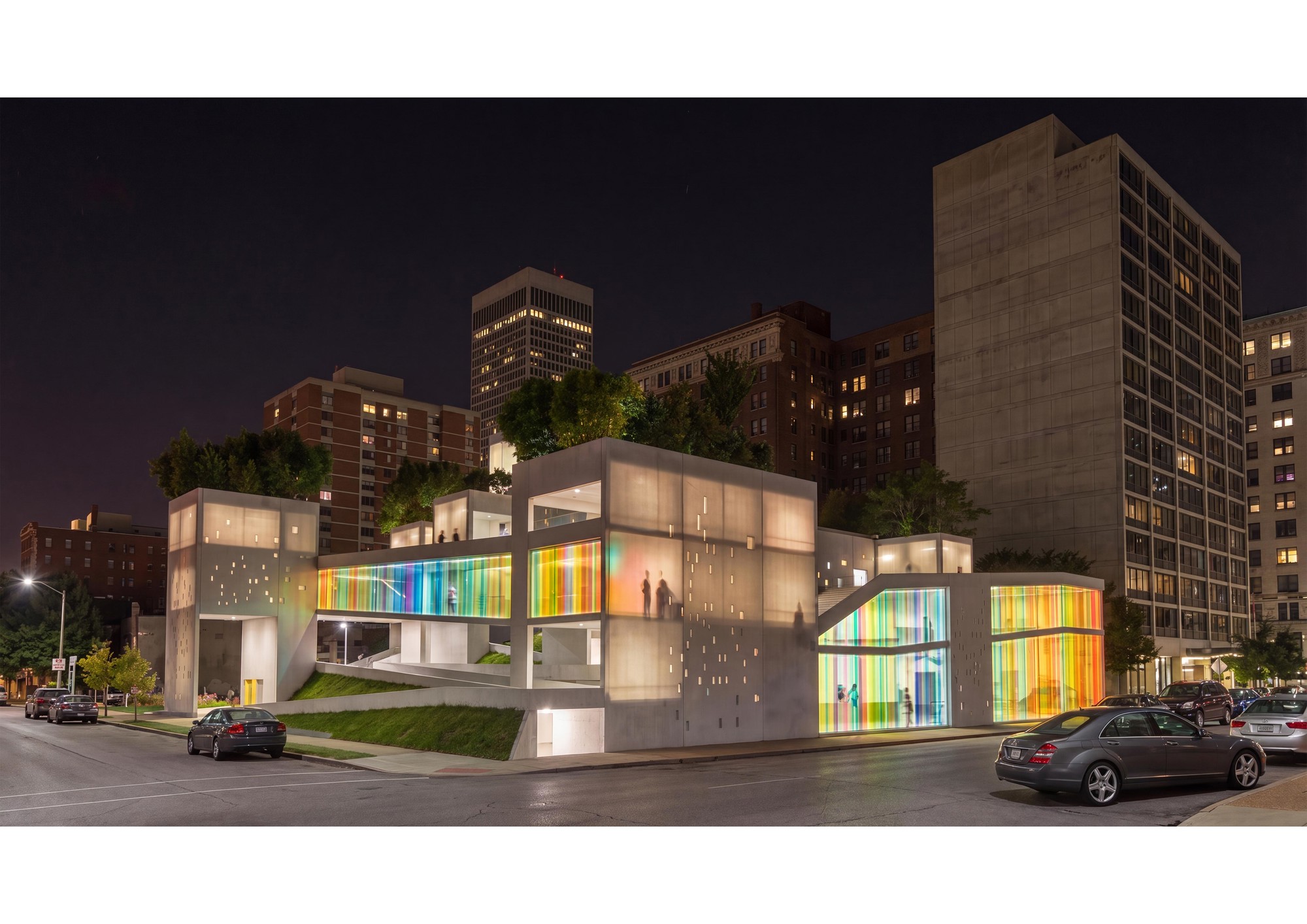
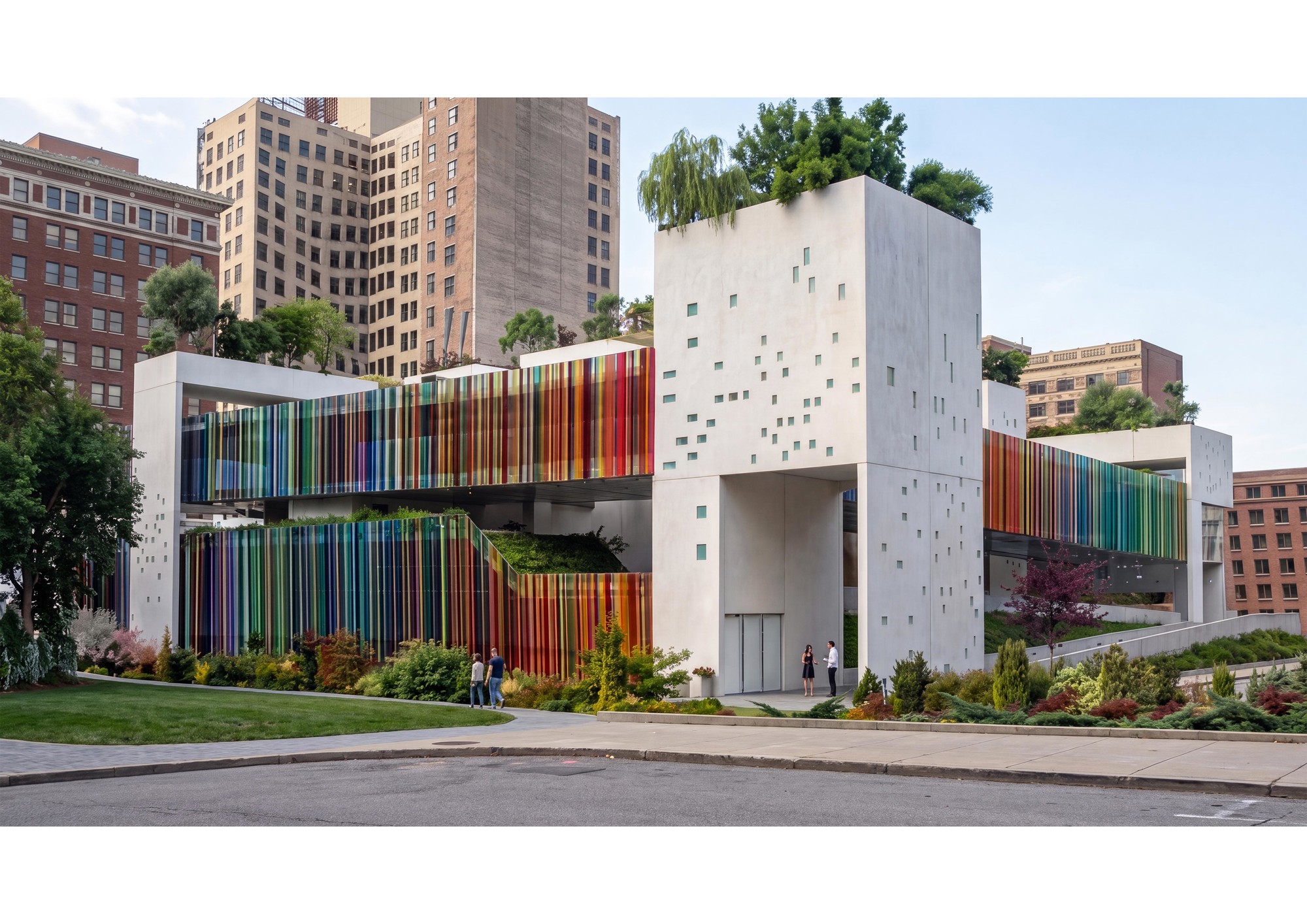
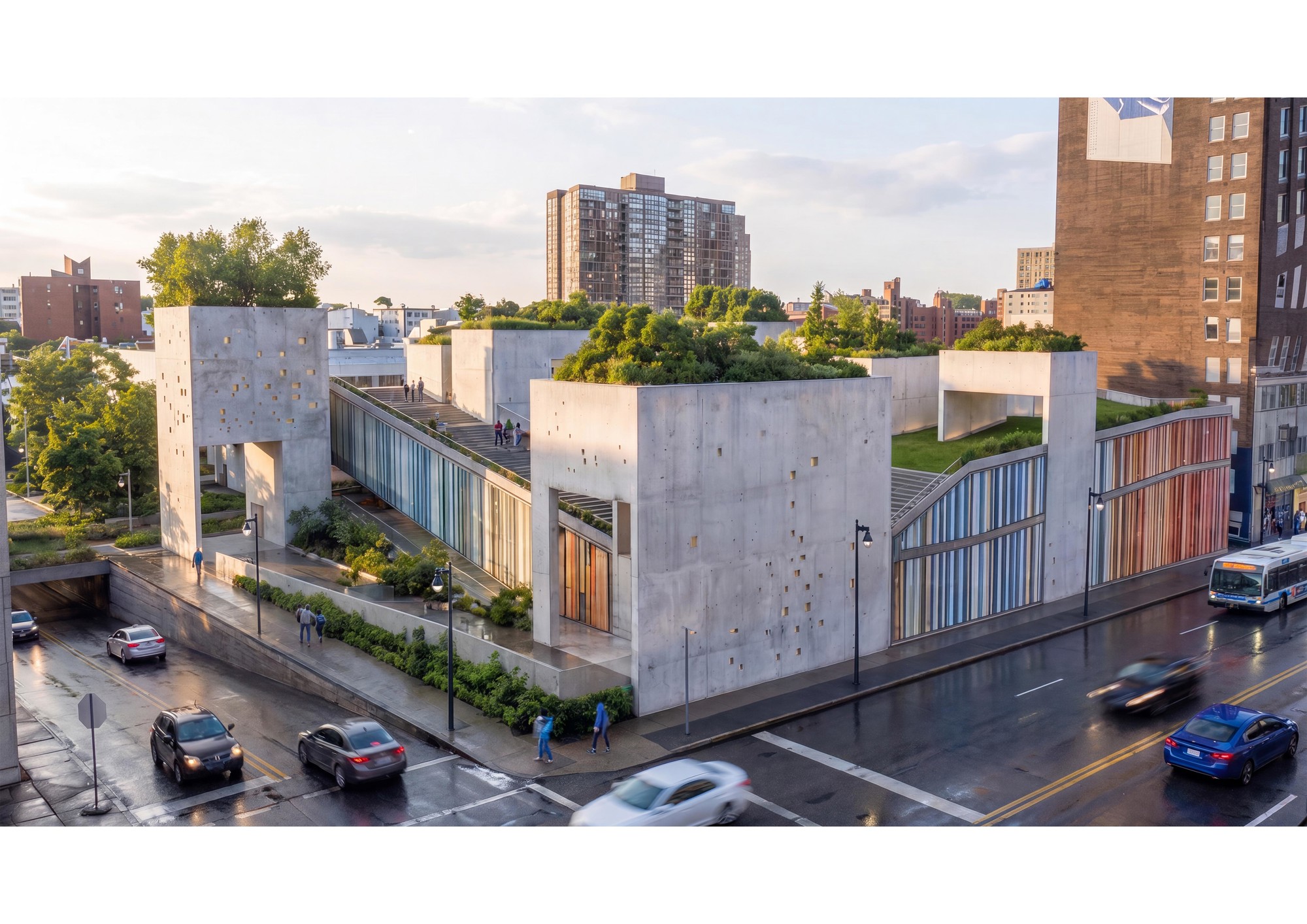
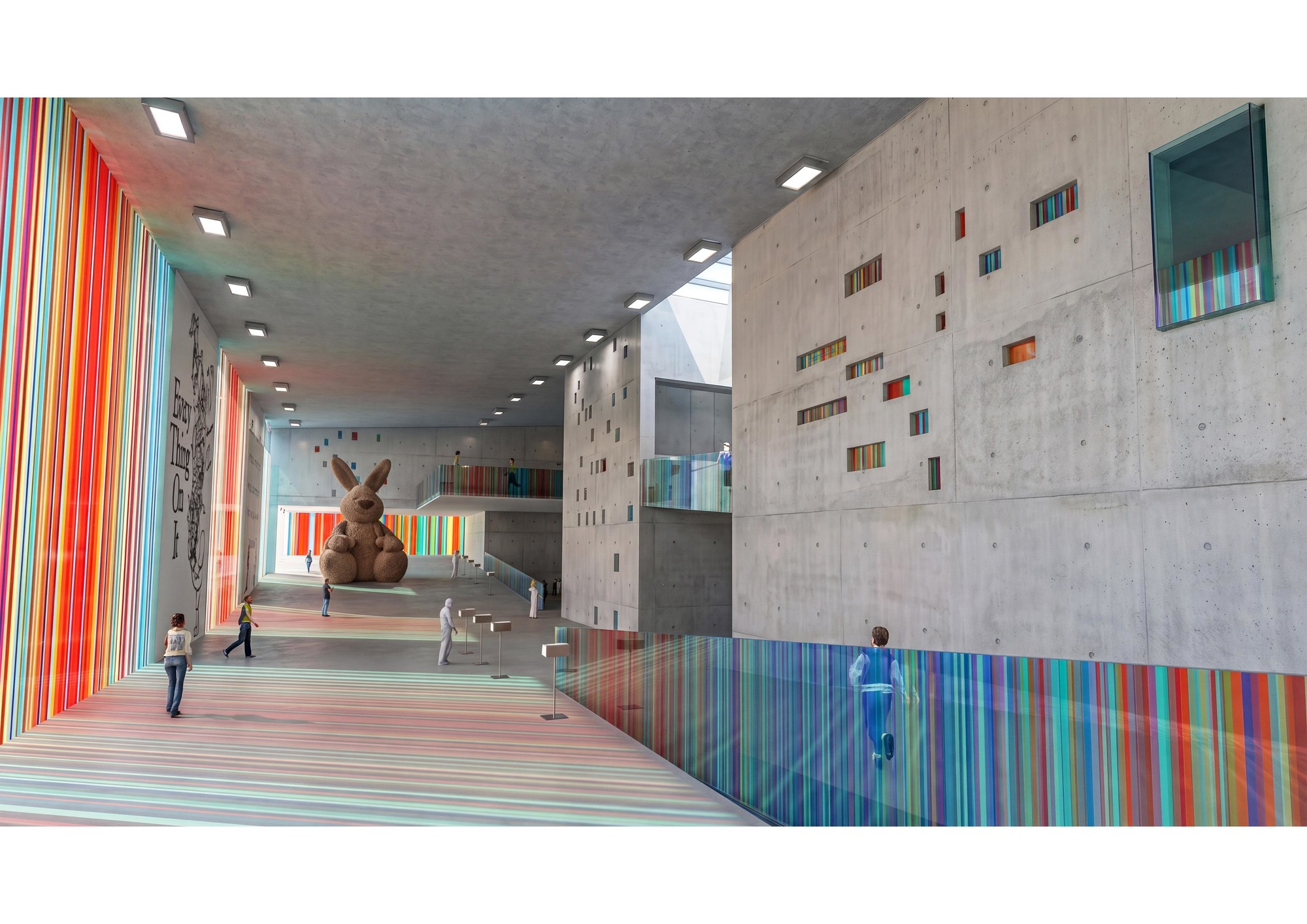
The aim of this project was to create a museum for children. Therefore, it was important to design in accordance with children’s interests and desires. The project could be divided into two main sections, the exterior and the interior. The exterior surface of the museum forms a public park which is also a platform for children to play. The interior space, on the other hand, forms an educational-cultural centre for children. The public space invites children and teenagers to the interior galleries by creating an exciting atmosphere. Architectural Elements: 1. Boxes: Inspired by Chicago’s architectural style, cubical elements were used in this design. These boxes are made of semitransparent concrete enabling them to showcase different messages and graphics while acting as a part of the load bearing structure of the museum. Each box represents a unique message on the exterior and the interior surfaces. There is a green roof implemented on top of each box adding to the beauty of the site. 2. Slope: there is a consistent slope throughout the building providing a barrier free circulation. This area connects the boxes to each other and creates a green space for children to play. 3. Light and color: the next elements are the ramps extended between the boxes to create connection between the visitors inside and outside the museum. Colored glass was used on these parts, reflecting interesting patterns on the interior spaces. 4. Platform: A green platform was created over the vehicular path, bridging the gap between the parking, the park, and the museum for easy pedestrian access. A green design respects the nature to create a better city and a brighter future. In this project one of the most important considerations was to design using sustainable materials. This building not only plays an important role in the urban culture but also creates a green image of the museum in the city. Moreover, the messages represented on the boxes affect the public perception of humanitarian activities.